Indonesia braces for costly Eid travel spree amid Iran war
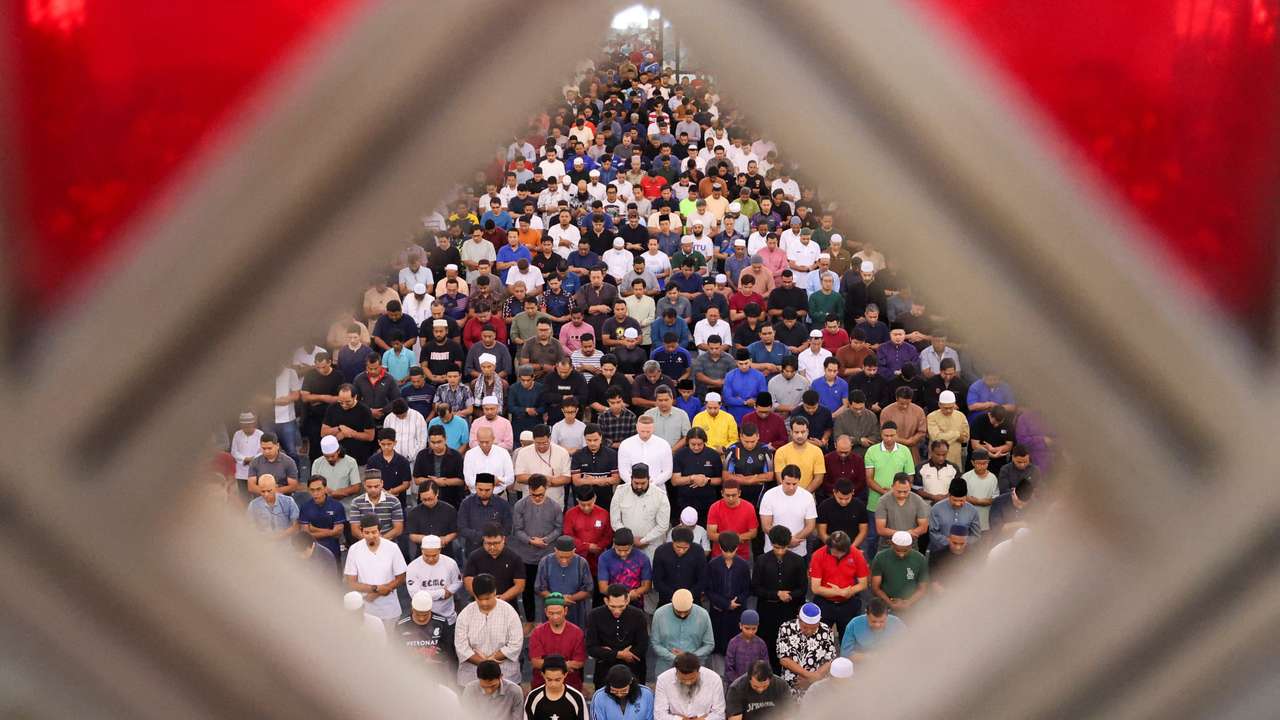
Indonesia’s annual Eid homecoming is facing fresh pressure as the war in Iran drives up global fuel prices, threatening one of the world’s largest seasonal travel movements.
Each year, tens of millions of Indonesians take part in mudik, the mass return to hometowns at the end of Ramadan. This year, nearly 144 million people are expected to travel across the archipelago by road, air and sea, placing heavy strain on transport networks.
But the surge in demand is colliding with a global energy shock. The conflict in the Middle East has disrupted oil supplies, pushing crude prices above $100 a barrel and tightening refined fuel markets, particularly in Asia.
For Indonesia, a major fuel importer, the timing is crucial. Petrol consumption is forecast to rise by around 12% during the Eid period, while demand for aviation fuel and cooking gas also increases sharply as families travel and prepare festive meals.
Higher fuel costs are already feeding into transport prices. Airlines across the region have raised fares or added surcharges as jet fuel prices surge, with some warning of sustained increases if the conflict continues.
RECOMMENDED FOR YOU
Six countries account for three-quarters of Europe’s unicorn startups
At home, the government is attempting to shield consumers through subsidies and assurances that supply remains stable. However, the fiscal burden is mounting. Officials have warned that prolonged high oil prices could push Indonesia beyond its legal budget deficit limit, forcing spending cuts or new revenue measures.
Fuel prices are also politically sensitive in Indonesia, where past increases have triggered protests. Any disruption during the Eid period — when travel and household spending peak — could quickly amplify public frustration.
The central bank has already signalled that the war is limiting room for economic manoeuvre, citing inflationary pressures and currency weakness linked to higher energy costs.
For now, the mudik exodus continues, with packed airports, long ferry queues and congested roads.
This story is written and edited by the Global South World team, you can contact us here.