Inside Singapore’s $37.9m ageing tech investment to keep senior citizens healthy

Singapore has launched a $37.9 million health technology programme aimed at helping people stay healthier as they age with projects ranging from AI tools that can flag fracture risk in seconds to wearable sensors designed to spot fall risk early.
The initiative, called Future Health Technologies 2 (FHT2), is led by the Singapore-ETH Centre, a collaboration between the National Research Foundation (NRF) and Switzerland’s ETH Zurich. NRF is putting in $30.5 million, with ETH Zurich, NHG Health and NTU contributing the rest.
One major pillar targets musculoskeletal health and mobility, a growing concern in ageing societies. The programme is supporting work on rapid screening tools for fractures and falls, as well as advanced research using bone organoids and lab-grown tissue models, to help predict how patients respond to drugs, allowing doctors to personalise fracture prevention for those most at risk.
Launching the programme on March 28, NRF chief executive John Lim said musculoskeletal problems are often underestimated despite being a major driver of disability worldwide. The goal, he said, is to translate promising research into real-world healthcare and move care earlier, from treatment to prevention and recovery support in the community.
Beyond physical health, FHT2 also includes a mental wellbeing track that will develop a platform combining large language models, behavioural science and real-world data to power apps that deliver tailored interventions for issues such as anxiety, depression and stress, particularly among young people.
RECOMMENDED FOR YOU
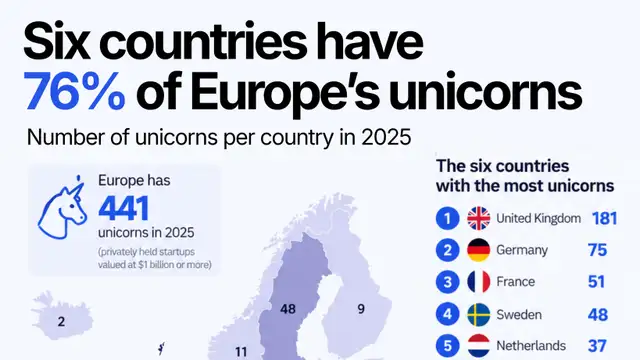
Six countries account for three-quarters of Europe’s unicorn startups
A third track focuses on rehabilitation and recovery, including technology-assisted therapy for patients rebuilding upper-limb movement after stroke, part of a broader push to improve quality of life as people live longer.
FHT2 follows the first Future Health Technologies programme, which ran from 2020 to March this year and produced tools such as a cognitive screening test for early dementia signals and a chatbot-based health coaching app. The second phase is intended to speed up adoption in clinics and hospitals, with programme leaders saying they want patients to benefit directly from these technologies by 2030.
This story is written and edited by the Global South World team, you can contact us here.