International coalition backs Berlin Principles, calls for immediate end to Sudan war
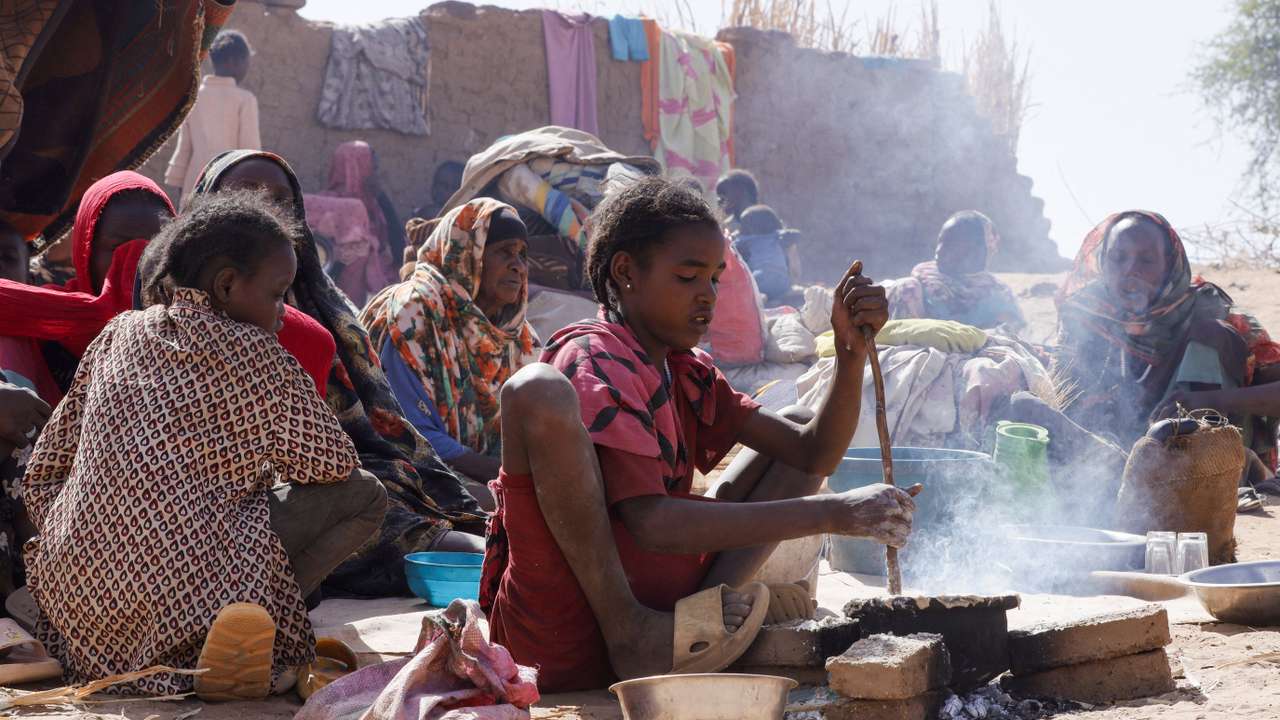
An international coalition has called for an immediate end to the war in Sudan, warning that there is no military solution to the conflict.
U.S. Senior Advisor for Arab and African Affairs, Massad Boulos, said in a post on X that the Berlin Principles for Sudan represent a unified global demand for urgent action to end the fighting and support a peaceful political transition.
According to Boulos, the coalition includes the African Union, the European Union, France, Germany, the United Kingdom, the United States, and several regional and international partners, including Egypt, Ethiopia, Kenya, Qatar, Saudi Arabia, South Sudan, Chad, Uganda, the United Arab Emirates, the United Nations, the Intergovernmental Authority on Development, and the League of Arab States. He said the group had delivered a “clear and unified message” that the war in Sudan “must end, now.”
The Berlin Principles call for an immediate humanitarian truce, followed by a ceasefire, full humanitarian access, increased funding for relief operations, and an end to external military support for the warring parties.
They also urge a renewed push for negotiated peace through an inclusive political process, a civil society-led national dialogue, and a transition to a civilian-led government.
RECOMMENDED FOR YOU
Gaza rescuers search rubble after Al-Saada collapse kills more than 20
Boulos said the principles were “not just words,” but reflected a firm collective commitment to ending the war and supporting a peaceful future for Sudan. Sudan’s civil war has entered its fourth year, with the country’s two main rival forces locked in a prolonged war of attrition.
Background
The conflict erupted on April 15, 2023, between the Sudanese Armed Forces (SAF), led by General Abdel Fattah al-Burhan, and the paramilitary Rapid Support Forces (RSF), led by Mohamed Hamdan Dagalo, widely known as Hemedti.
The fighting has left Sudan largely divided, with the SAF controlling much of the east and the RSF holding large parts of the west.
The war has triggered what is now described as the world’s largest displacement and hunger crisis. Reports of rape and sexual violence have become widespread, while the country’s cultural heritage has also suffered severe destruction.
Beyond Sudan’s borders, the conflict has drawn in foreign interests, with more than 10 countries accused of backing opposing sides in the war.
This story is written and edited by the Global South World team, you can contact us here.