Iran war tests Philippines’ U.S. alliance as China ties come back into play
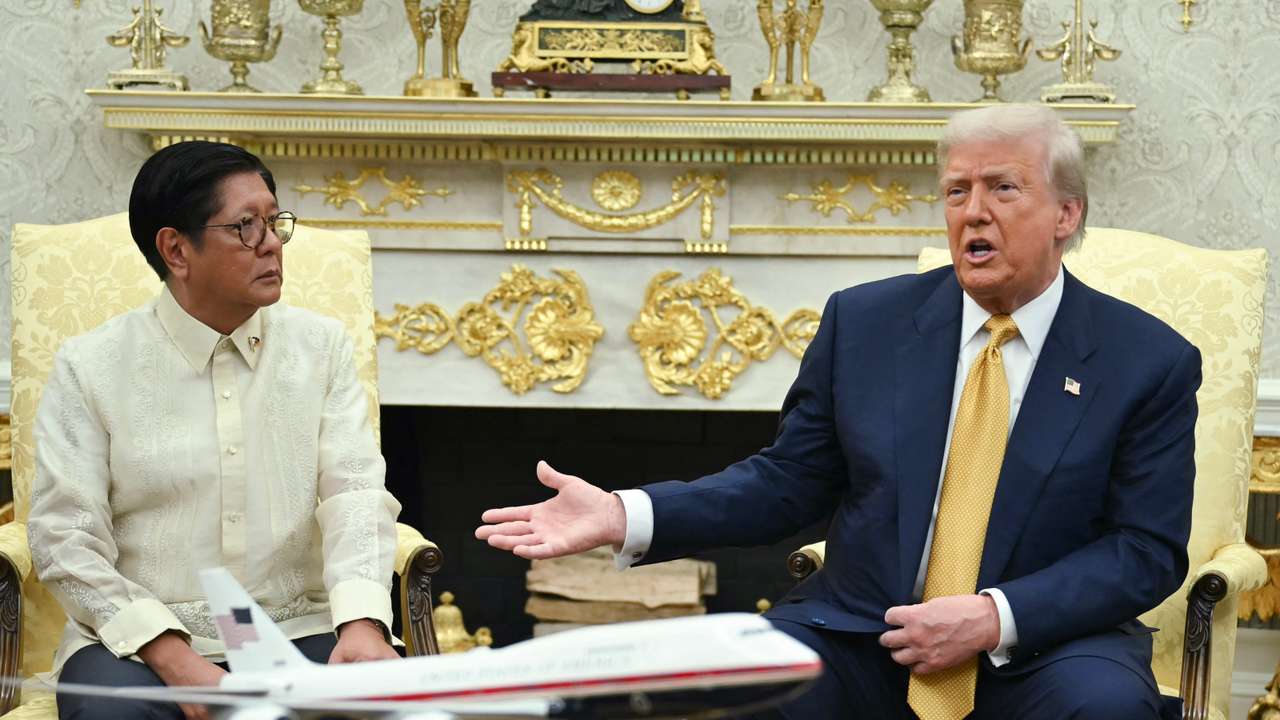
The Philippines signalled openness to “resetting” its relationship with China, even as it remains a key United States ally, reflecting a broader recalibration driven by shifting global dynamics and regional tensions.
In an interview with Bloomberg News, President Ferdinand Marcos Jr. said a reset in ties with Beijing was no longer hypothetical.
“I think it's certainly going to happen… It's happening now,” he said, pointing to what he described as a “very, very serious restructuring” of global systems.
Marcos indicated that changes in international relations — shaped by rising geopolitical tensions — would likely force countries to “withdraw, redraw” even their legal frameworks, resulting in a “new normal.”
Despite persistent maritime disputes in the South China Sea, Manila has continued to separate security tensions from economic cooperation with Beijing.
RECOMMENDED FOR YOU
Niger appoints new army chief weeks after failed mutiny
Marcos said the Philippines has “always tried to differentiate the territorial disputes from our trade arrangements,” noting that Chinese investments still support major government programmes.
“And they have not used this as somehow, they haven't leveraged this in any way… they’ve been very, very helpful in terms of, for example, fertilizer,” he added.
The Philippines and China remain locked in a long-running dispute in the South China Sea, where Beijing continues to reject a 2016 international arbitration ruling that invalidated its sweeping claims.
Marcos also said Manila is open to reviving stalled discussions with China on joint oil and gas development in disputed waters, suggesting that ongoing global tensions — particularly in the Middle East — could provide impetus for progress.
“That’s something we’ve been talking about for a great deal, but territorial disputes are getting in the way of that,” he said. “Maybe this provides impetus for both sides to come to an agreement.”
At the same time, the Philippines is seeking to diversify energy sources amid supply concerns linked to the Middle East crisis, including exploring potential fuel imports from Russia, a non-traditional supplier.
Marcos stressed that Manila’s foreign policy remains anchored on stability.
“We never want war… It’s peace and the national interest,” he said.
RECOMMENDED FOR YOU
Ghana and Burkina Faso strengthen security along key trade routes
This story is written and edited by the Global South World team, you can contact us here.