Is Africa deep in debt to China? Inside China’s $180bn lending spree in 24 years
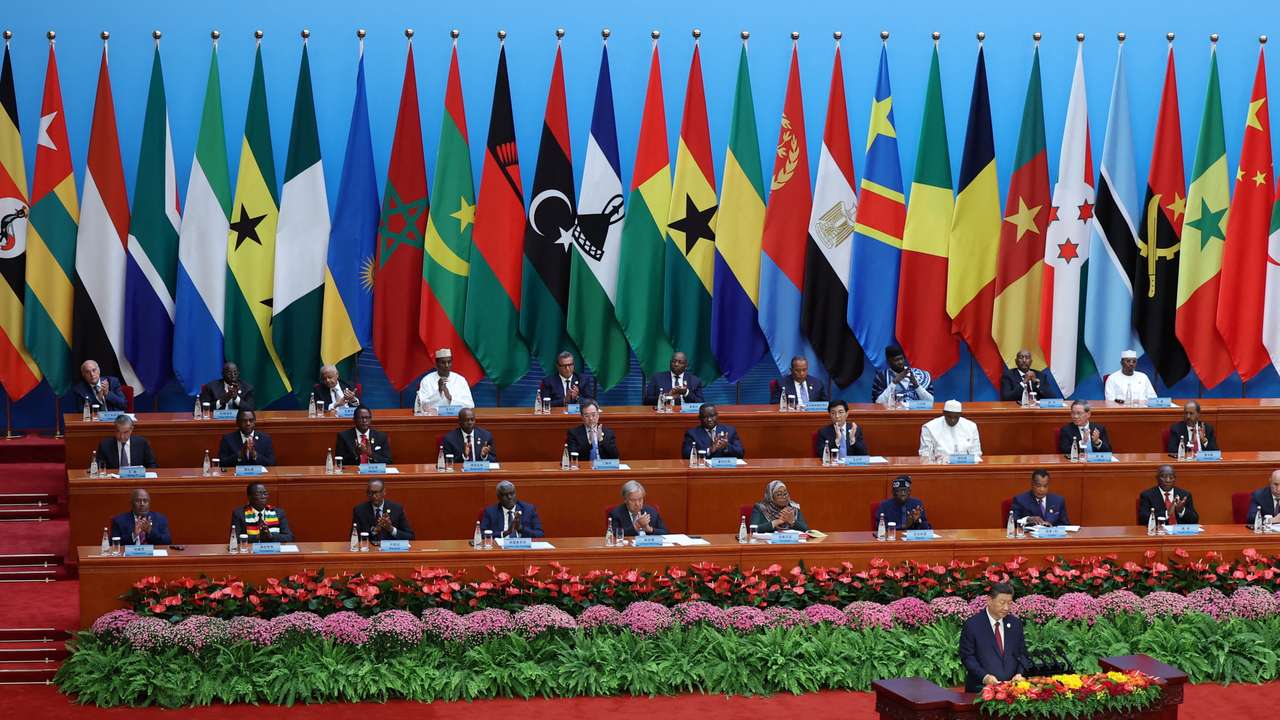
China has committed more than $180 billion in loans to African countries and regional institutions over the past 24 years, making it one of the continent’s largest bilateral lenders.
Data from the Chinese Loans to Africa (CLA) Database, managed by Boston University’s Global Development Policy Centre, shows that between 2000 and 2024, 42 Chinese lenders signed 1,319 loan commitments worth about $180.87 billion with 49 African governments and seven regional institutions.
It is important to note that these figures reflect loan commitments, not the total amount disbursed, repaid or currently outstanding.
Where the money went
Chinese loans have largely funded infrastructure projects across the continent. The biggest sectors include: transportation - railways, highways and ports in countries such as Nigeria, Kenya, Ethiopia, Angola, amongst others. The energy sector - power plants, transmission lines and hydropower projects in Ghana, Guinea, Nigeria and Côte d’Ivoire; water and sanitation - projects in West African countries, including Côte d’Ivoire, Ghana and Nigeria; education and defence - Smaller but notable investments in school facilities and military equipment.
RECOMMENDED FOR YOU
‘Mexico is never for sale’ Sheinbaum declares at independence parade
Nigeria is among the largest recipients in transport financing, while Ghana features prominently in both energy and defence-related loans. Countries such as Angola, Ethiopia, Zambia and Kenya have also received substantial financing over the years.
Chinese lending to Africa rose sharply during the 2010s, especially after the launch of the Belt and Road Initiative (BRI), with annual loan commitments in some years exceeding $10 billion. More recently, China’s global BRI engagement has reached record levels. In 2025, BRI activity hit its highest level ever, with $128.4 billion in construction contracts and about $85.2 billion in investments worldwide. Energy projects accounted for a major share of that expansion. China’s energy-related engagement in 2025 climbed to $93.9 billion, more than double the level recorded in 2024 and the highest since the BRI began.
Chinese loan commitments to African countries dropped to $7 billion in 2019, a 30 percent decline from the $9.9 billion recorded in 2018.
More recently, lending fell even further. In 2024, Chinese loans to Africa declined to $2.1 billion, nearly half the previous year’s level and the first annual drop since the COVID-19 pandemic, according to data released by Boston University’s Global Development Policy Centre. The figure is less than a tenth of the $28.8 billion peak recorded in 2016. The decline was attributed to Beijing’s shift away from financing massive infrastructure projects such as railways and highways, and toward smaller, more commercially viable and strategically targeted investments.
Is Africa deep in debt?
China is a major creditor to several African nations, but it is not Africa’s only lender. African governments also borrow from multilateral institutions such as the World Bank and African Development Bank, private bond markets (Eurobonds), and other bilateral lenders.
In some countries, Chinese loans make up a significant share of external bilateral debt. In others, they represent a smaller portion compared to commercial borrowing.
Chinese loans have helped build roads, railways, dams and power plants that many African governments say are essential for economic growth. At the same time, rising global interest rates, currency depreciation and weak revenues have made repayment harder for some countries.
RECOMMENDED FOR YOU
Colombia earthquake losses near $10 billion, president says
The key question is not just how much Africa owes China, but whether these projects generate enough economic return to service the debt.
This story is written and edited by the Global South World team, you can contact us here.