Is Mexico’s role in the 2026 World Cup at risk after cartel violence?
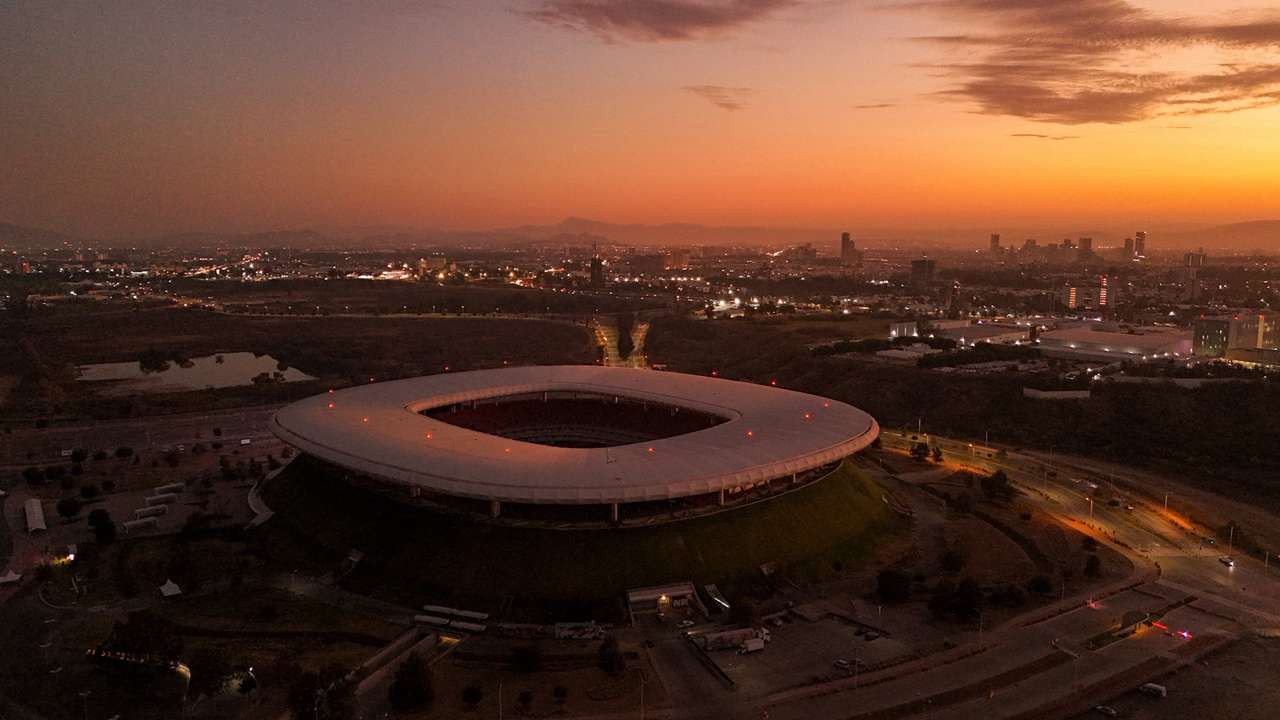
Recent cartel-related unrest in Mexico has sparked global questions about whether the country will still host its scheduled matches for the 2026 FIFA World Cup, and the answer, for now, remains yes; the tournament still stands.
Officials from Mexico’s government have publicly assured fans and teams that the 2026 World Cup will go ahead as planned, with all matches in Mexican host cities included in the schedule.
President Claudia Sheinbaum said there are “all guarantees” for safe hosting of the tournament, despite recent security challenges.
However, the deadly violence that erupted after federal forces killed Nemesio “El Mencho” Oseguera Cervantes, leader of the powerful Jalisco New Generation Cartel (CJNG), shook parts of western Mexico, especially in Guadalajara and nearby regions. The unrest included roadblocks, burning vehicles, and clashes between cartel members and security forces.
Guadalajara, one of Mexico’s three World Cup host cities alongside Mexico City and Monterrey, is scheduled to host four matches this summer, including high-profile group–stage games featuring teams like Mexico, Spain, South Korea and Uruguay.
RECOMMENDED FOR YOU
Six countries account for three-quarters of Europe’s unicorn startups
The city’s stadium and surrounding areas saw heightened tension as authorities responded with increased security and temporary suspensions of local football matches.
FIFA and local authorities are monitoring the evolving situation closely. While the sport’s governing body has not announced plans to remove Mexico from its hosting duties, security concerns have been raised, and discussions are reportedly ongoing about how to reassure visiting fans, teams, and officials.
Despite the concerns, preparations continue. Organisers and governments are planning enhanced safety measures, from military and police deployments to advanced surveillance technologies designed specifically for the tournament. Experts stress that major international events like this often involve layered security planning, with cooperation between host nations critical for success.
Mexico’s 2026 World Cup matches are still scheduled to take place in the country, but recent violence, particularly in Jalisco, has intensified scrutiny of security arrangements. With just months until kick-off, authorities are under pressure to restore confidence, reassure international visitors, and ensure safe conduct of the world’s biggest football event.
This story is written and edited by the Global South World team, you can contact us here.