Is Russia losing its grip in the Sahel? Why juntas aren’t coordinating
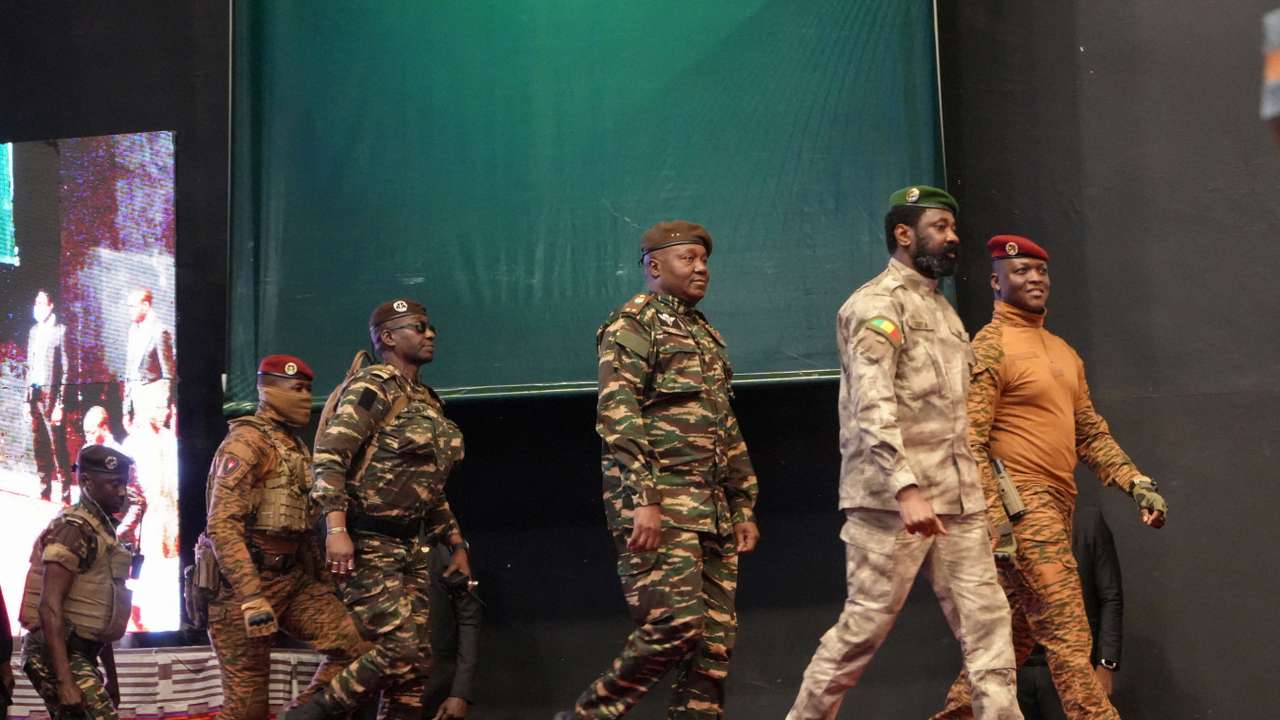
Russia’s expansion across the Sahel, once seen as one of the Kremlin’s biggest geopolitical wins in Africa, is starting to show signs of strain as regional military governments fail to act as a united bloc and new outside players crowd the field.
Since 2020, Moscow has deepened ties with juntas that came to power in Mali, Burkina Faso and Niger, offering security support and political backing as those countries distanced themselves from France, the United States and other Western partners.
While the three juntas share similar rhetoric and have formed new regional groupings, they have struggled to translate alignment into seamless military cooperation or shared strategy against insurgent violence that moves easily across borders.
The lack of joint planning, intelligence-sharing and operational trust has left each government fighting largely on its own, undermining the idea that a Russia-backed Sahel front can deliver region-wide security gains.
Russia’s own approach is also drawing blowback. Reports of heavy-handed tactics and abuses linked to Moscow-aligned forces have fuelled resentment in some areas and, in some cases, strengthened armed groups’ recruitment narratives.
RECOMMENDED FOR YOU
Six countries account for three-quarters of Europe’s unicorn startups
That reputational cost, combined with limited improvements on the ground, is making Russia’s offer less attractive than it looked when anti-Western sentiment was at its peak.
At the same time, Moscow no longer has the Sahel to itself. China, Türkiye and the UAE are expanding business, military and diplomatic footprints in the region, giving junta leaders more options and reducing Russia’s leverage.
This story is written and edited by the Global South World team, you can contact us here.