Is screen time harming babies’ brains? New study offers answers
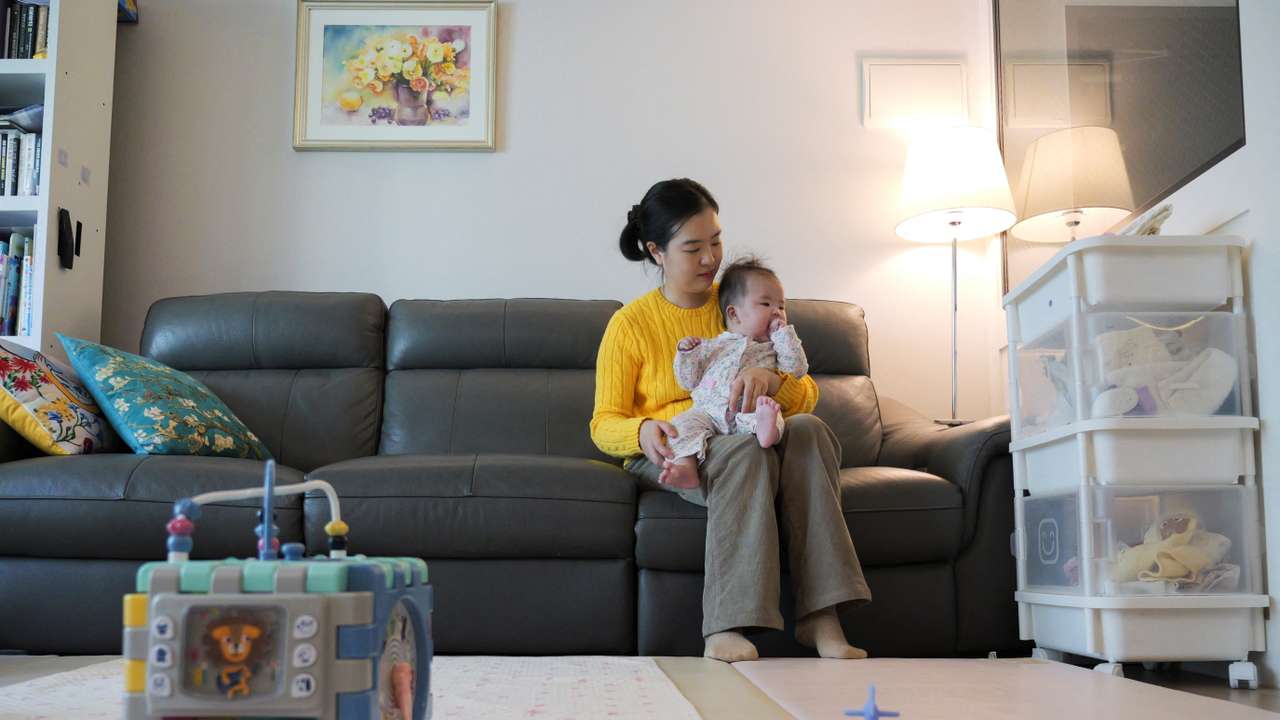
Children who are exposed to high levels of screen time before the age of two may experience changes in brain development linked to slower decision-making and increased anxiety in their teenage years, according to a major new study from Singapore.
The research, led by scientists at A*STAR’s Institute for Human Development and Potential, followed 168 children for more than a decade as part of the Growing Up in Singapore Towards Healthy Outcomes (GUSTO) study. It is the largest local study to link infant screen exposure with long-term brain development and mental health outcomes.
“This research gives us a biological explanation for why limiting screen time in the first two years is crucial,” said Dr Tan Ai Peng, the study’s lead researcher. “It also highlights the importance of parental engagement, showing that parent-child activities, like reading together, can make a real difference.”
Brain scans carried out when the children were aged four and a half, six and seven and a half showed that higher screen exposure in infancy was linked to faster maturation of brain networks involved in visual processing and cognitive control. While early brain maturation may sound positive, Dr Tan warned that this is not necessarily the case.
“The first few years of life is when the brain is starting to learn real-world experiences,” she said. “It is important that they get exposed to different types of environmental stimuli, and not just very excessive visual stimulation like what they get on screen.”
RECOMMENDED FOR YOU

Niger women pray for peace amid France tensions
For children whose parents read to them frequently from the age of three, the link between early screen exposure and later brain changes was significantly weakened.
“When we started this study, we wanted to see how altered brain development might lead to anxiety symptoms during adolescence,” Dr Tan said. “There is a high possibility that they may not be able to cope well in new social environments.”
Published in the medical journal eBioMedicine, the findings add to growing global concerns about excessive screen use in early childhood.
This story is written and edited by the Global South World team, you can contact us here.