Israel says Ghana-backed UN slavery resolution “ranks” crimes: Here’s why it voted no

Israel’s embassy in Ghana has defended Israel’s vote against a Ghana-led UN General Assembly resolution that labels the transatlantic trafficking and racialised chattel enslavement of Africans as the “gravest crime against humanity,” saying the wording risks turning atrocities into a competition.
In a statement explaining its vote, Israel said it recognises the scale and brutality of slavery and had hoped the resolution would pass by consensus. But it objected to the “gravest” formulation, arguing that describing one crime against humanity as the worst effectively creates a hierarchy that could diminish other mass atrocities, including the Holocaust.
The resolution, UNGA A/80/L.48, sponsored by Ghana on behalf of the African Group, was adopted on March 25 with 123 votes in favour, three against (Israel, the United States and Argentina) and 52 abstentions. It urges states to pursue “reparatory justice,” including steps such as apologies, restitution and the return of looted cultural artefacts.
Israel’s position is similar to concerns raised by other Western delegations that did not back the text. The United Kingdom, for example, abstained and warned against language that could be read as ranking crimes against humanity.
“The UK continues to disagree with fundamental propositions of the text and, therefore, regrettably, cannot vote in favour of it. Firstly, the UK is firmly of the view that we must not create a hierarchy of historical atrocities. Doing so simplifies the complexity and vast scale of suffering endured in different contexts. It risks diminishing the experiences of communities whose trauma and suffering was felt just as strongly. No single set of atrocities should be regarded as more or less significant than another,” the UK noted in an explanatory statement.
RECOMMENDED FOR YOU
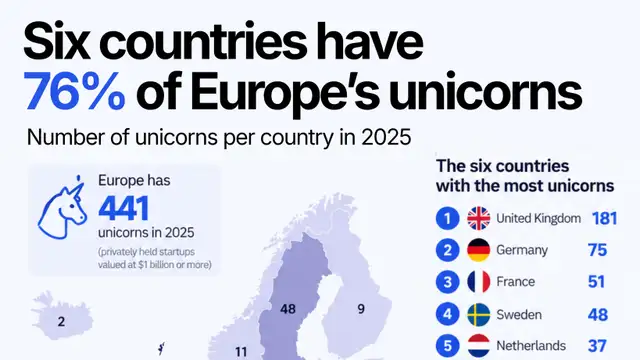
Six countries account for three-quarters of Europe’s unicorn startups
Israel said its “no” vote was not a denial of slavery’s historical harm, but a protest over the final wording, and it expressed regret that negotiations did not produce changes that might have allowed broader support.
This story is written and edited by the Global South World team, you can contact us here.