Italy crowned best cuisine in the world for 2025 and 2026
- #Green Transition
- #Michelle Obama
- #Barrack Obama
- #US Military Cooperation
- #Campaign Funding
- #Political Reforms
- #Delcy Rodriguez
- #Emmanuel Macron
- #Grammy Awards
- #Viral Videos
- #Law Enforcement
- #El Monstruo
- #Extradition
- #Criminal Responsibility
- #Trump Board of Peace
- #Chagos
- #Economic Development
- #Airlines
- #Public Procurement
- #Italy
- #Visualized
- #World Visualized
- #Green Transition
- #Michelle Obama
- #Barrack Obama
- #US Military Cooperation
- #Campaign Funding
- #Political Reforms
- #Delcy Rodriguez
- #Emmanuel Macron
- #Grammy Awards
- #Viral Videos
- #Law Enforcement
- #El Monstruo
- #Extradition
- #Criminal Responsibility
- #Trump Board of Peace
- #Chagos
- #Economic Development
- #Airlines
- #Public Procurement
- #Italy
- #Visualized
- #World Visualized
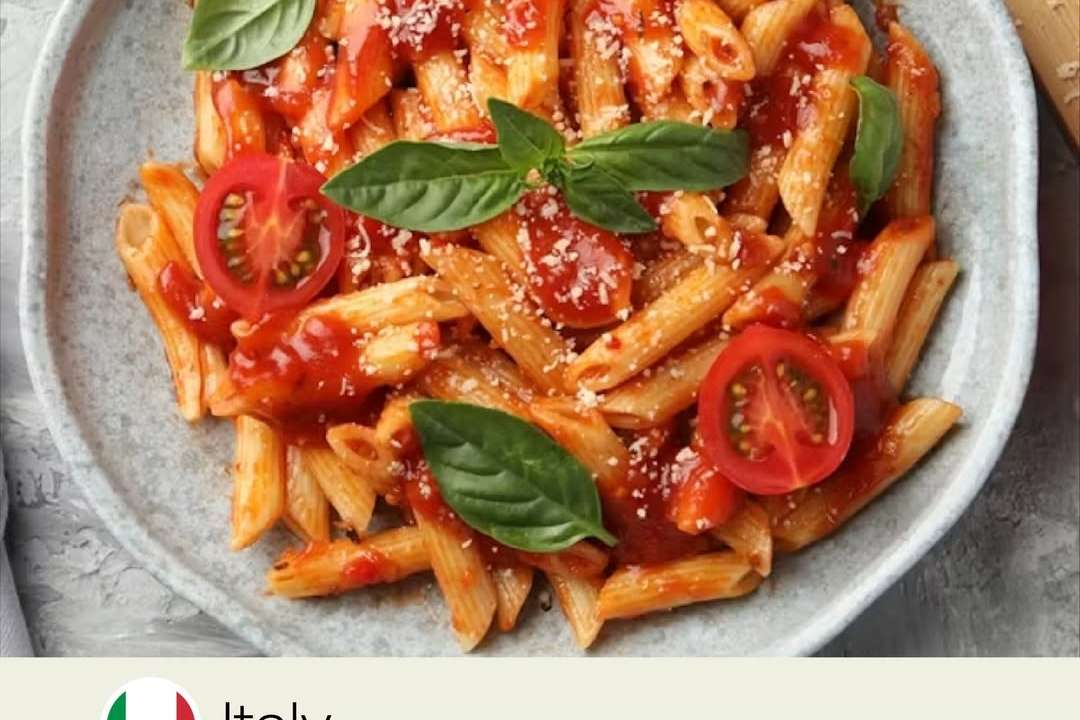
Italian cuisine has once again been named the Best Cuisine in the World, according to the newly released TasteAtlas 2025/26 global rankings, reaffirming Italy’s unrivalled influence on how the world eats.
Italian cuisine has once again been named the Best Cuisine in the World, according to the newly released TasteAtlas 2025/26 global rankings, reaffirming Italy’s unrivalled influence on how the world eats.
With an overall score of 4.64 out of 5, Italy tops a list compiled from hundreds of thousands of verified user ratings across traditional dishes, regional specialities and local ingredients. The rankings, visualised by World Visualised and sourced from TasteAtlas, reflect real consumer sentiment rather than critic-led opinion.
Italy’s number-one ranking is driven by its deep culinary heritage and global appeal. From Neapolitan pizza and handmade pasta to regional icons like risotto, pesto, Parmigiano Reggiano and olive oil, Italian food consistently scores highly for flavour, balance and authenticity.
TasteAtlas notes that Italian cuisine stands out for its simplicity and ingredient-first philosophy, where quality produce takes precedence over complex techniques. This approach continues to resonate worldwide, from street food counters to Michelin-starred kitchens.
Second place goes to Greece, which earned a strong 4.60 rating. Greek cuisine is praised for its freshness and Mediterranean roots, with dishes such as souvlaki, grilled seafood, feta-based salads and yoghurt sauces ranking among the platform’s most loved foods.
Just behind is Peru, scoring 4.54, reflecting the country’s growing reputation as a global culinary innovator. Peruvian cuisine blends Indigenous, Spanish, African and Asian influences, with standout dishes including ceviche, lomo saltado and causa. Peru’s rise highlights how regional diversity and bold flavours are reshaping global food trends.
Both Spain and Portugal recorded scores of 4.53, underscoring the Iberian Peninsula’s strength in global cuisine.
Spanish cuisine is celebrated for its regional depth, from Valencian paella and Andalusian gazpacho to tapas culture and premium cured meats. Portugal, meanwhile, continues to gain international recognition for dishes such as bacalhau, caldo verde and seafood rice, supported by a strong tradition of home-style cooking.
France scored 4.48, maintaining its reputation for culinary technique, pastry mastery and fine dining tradition. While often associated with haute cuisine, TasteAtlas notes that everyday French dishes and regional specialities play a significant role in its ranking.
Türkiye and Japan, both rated 4.49, reflect how deeply food is tied to national identity. Turkish cuisine blends Middle Eastern, Central Asian and Mediterranean influences, while Japanese food culture continues to impress with its focus on seasonality, precision and presentation.
China and Indonesia, each scoring 4.48, highlight Asia’s growing visibility in global food rankings. China’s vast regional diversity, from Sichuan spice to Cantonese delicacy, remains a major draw, while Indonesian cuisine gains traction through dishes like nasi goreng, rendang and satay.
How TasteAtlas builds its rankings
TasteAtlas compiles its annual rankings using real user ratings, filtering out mass-produced and inauthentic entries to focus on traditional food culture. According to the platform, the goal is to document and preserve culinary heritage while offering travellers a reliable guide to local food experiences.
What this really means is that these rankings reflect how people actually eat and travel, and not just what appears on fine-dining menus.
This story is written and edited by the Global South World team, you can contact us here.