Jehovah’s Witnesses ease longstanding blood transfusion policy to allow use of stored personal blood
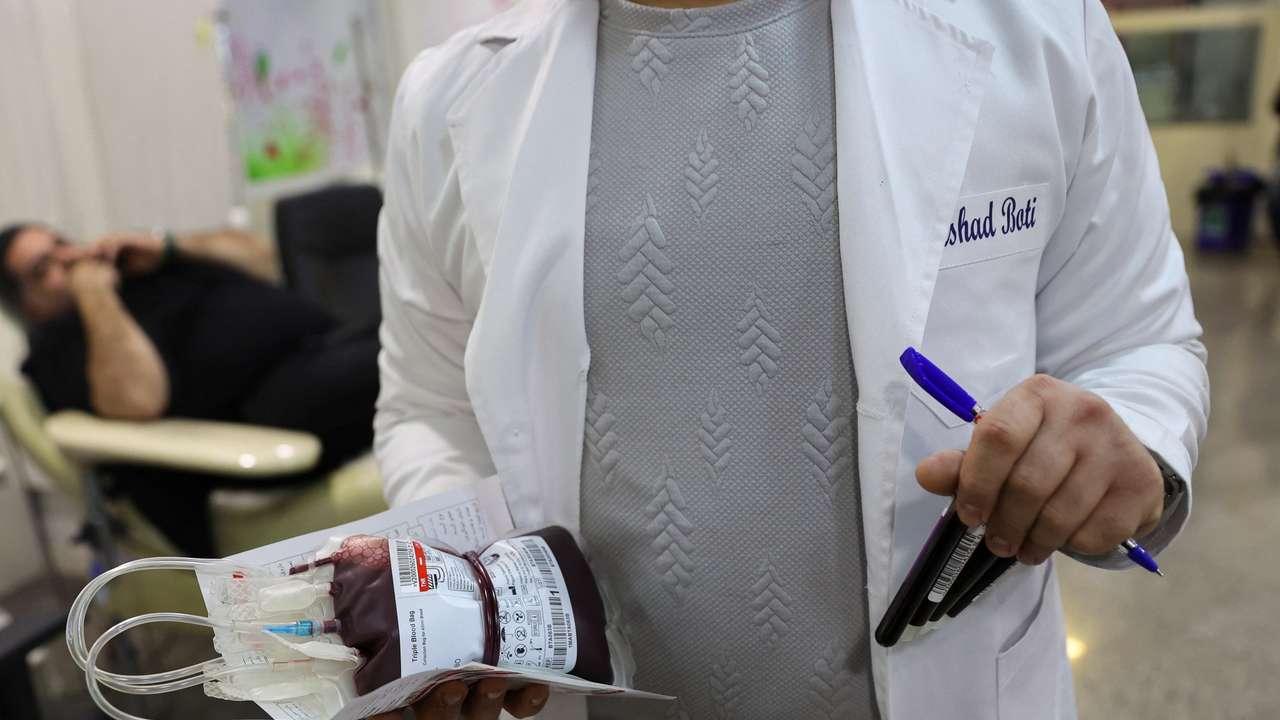
The leadership of Jehovah’s Witnesses has announced a clarification of its policy on blood transfusions, allowing members to store and use their own blood for medical procedures.
The new guidance permits members to make personal decisions regarding autologous blood, which is blood drawn from a patient in advance and stored for later use during surgery. The announcement was made on Friday, March 20, after what the organisation described as “extensive prayer and consideration.”
Gerrit Lösch, a member of the denomination’s Governing Body, explained the change in a video statement. He said that while the Bible instructs believers to “abstain from blood,” it does not specifically address the use of one’s own blood in medical settings.
“Each Christian must decide for himself how his own blood will be used in all medical and surgical care,” Lösch stated. “This includes whether to allow his own blood to be removed, stored, and then given back to him. Some Christians may decide that they would allow their blood to be stored and then be given back to them, others may object”.
The organisation continues to prohibit the use of donated blood from others. A spokesperson emphasised that its “core belief regarding the sanctity of blood remains unchanged”.
RECOMMENDED FOR YOU

Can Indonesia be Asia’s next EV powerhouse?
The 140-year-old movement, which reports a worldwide membership of 9.2 million, has historically interpreted biblical commands to “abstain from blood” as a total ban on transfusions. Previously, the church accepted procedures like kidney dialysis, where blood is only briefly removed and immediately returned, but it strictly forbade extended storage.
The new policy marks a complete reversal of guidance published in the official 2000 edition of The Watchtower, which explicitly stated: “Hence, we do not donate blood, nor do we store for transfusion our blood. That practice conflicts with God’s law”.
Medical experts note that autologous blood can typically be collected between five and six weeks before surgery. While it eliminates the risk of contracting infectious diseases from a donor, experts warn it can lead to anaemia or a lower blood count in the patient before their procedure.
The policy update has received mixed reactions from former members. Mitch Melin, an advocate and former member, said the change does not address emergencies.
“I don’t think it goes far enough, but it’s a significant change,” Melin said. “If one of Jehovah’s Witnesses faces a medical emergency with significant blood loss, or if a child requires multiple transfusions to treat certain types of cancers, this policy change does not grant them complete freedom of conscience to accept potentially life-saving interventions involving donated blood”.
Melin also noted that some members may face challenges due to limited hospital infrastructure in certain countries that does not support blood storage.
The Jehovah's Witness organisation stated that many medical providers are already respecting their members' health-care directives. However, the ban on third-party blood remains one of the group's most distinctive and controversial teachings.
This story is written and edited by the Global South World team, you can contact us here.
