Kazakhstan Roundup: Political leadership advanced, climate cooperation, digital ambitions
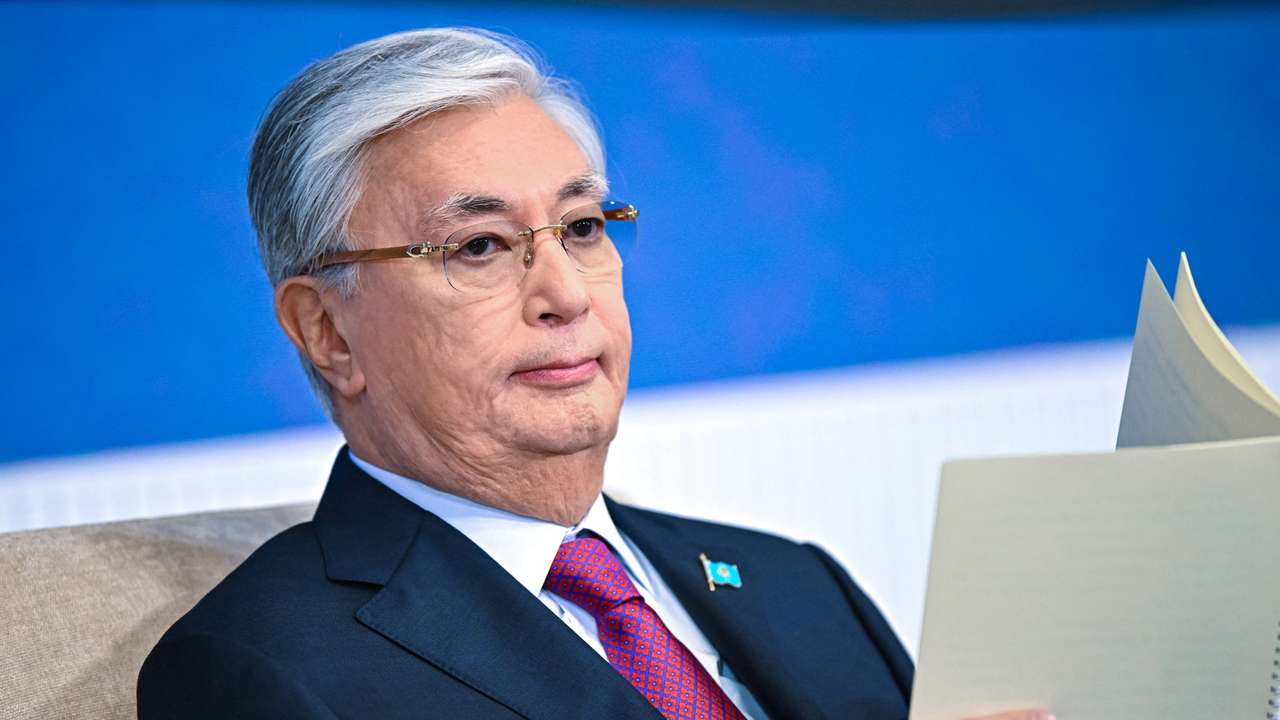
Kazakhstan appoints new First Deputy Prime Minister amid broader government priorities
Kazakhstan has officially named a new First Deputy Prime Minister, Nurlybek Nalibayev, signalling an important development in the country’s political and administrative leadership structure. The appointment comes at a time when Kazakhstan continues to balance economic modernisation, regional diplomacy, and domestic reform priorities. Changes at this level of government are closely watched because the role carries substantial influence over economic management, coordination between ministries, and implementation of national development strategies. The move also reflects the government’s continuing effort to position experienced leadership at the centre of policy execution during a period of regional uncertainty and shifting global economic conditions.
Kazakhstan and Kuwait move to deepen economic cooperation through infrastructure projects
Kazakhstan and Kuwait are working to strengthen bilateral economic relations through a series of infrastructure-focused initiatives aimed at expanding long-term cooperation. The discussions highlight Kazakhstan’s ongoing strategy of attracting foreign investment and reinforcing ties with Gulf states that are seeking broader partnerships in Central Asia. Infrastructure cooperation is particularly significant because it supports Kazakhstan’s ambitions to improve transport corridors, logistics connectivity, energy cooperation, and trade capacity across the region. For Kuwait, the partnership offers opportunities to diversify economic engagement beyond traditional markets while increasing its presence in strategic Eurasian projects.
Kazakhstan joins regional climate project to protect vulnerable soils
Kazakhstan has joined other Central Asian countries in developing a major climate initiative focused on protecting soils and addressing environmental degradation across the region. The project comes as climate pressures increasingly threaten agricultural sustainability, water security, and rural livelihoods throughout Central Asia. Soil degradation, desertification, and changing weather patterns have become critical regional concerns, particularly for countries with large agricultural sectors and fragile ecosystems. Kazakhstan’s participation demonstrates growing recognition that climate risks cannot be managed through isolated national policies alone.
Kazakhstan explores joint digital initiatives with the Digital Cooperation Organisation
Kazakhstan is exploring new digital partnerships with the Digital Cooperation Organisation (DCO) as part of its wider push toward technological modernisation and digital transformation. The discussions focus on collaborative digital initiatives that could strengthen innovation, connectivity, and technology-driven economic growth. Kazakhstan has increasingly prioritised digital development in recent years, viewing technology as a key driver of competitiveness, public sector efficiency, and economic diversification. Cooperation with the DCO could support initiatives linked to digital infrastructure, cybersecurity, e-governance, and innovation ecosystems. It also positions Kazakhstan within broader international conversations about the future of digital economies and cross-border technological cooperation.
RECOMMENDED FOR YOU
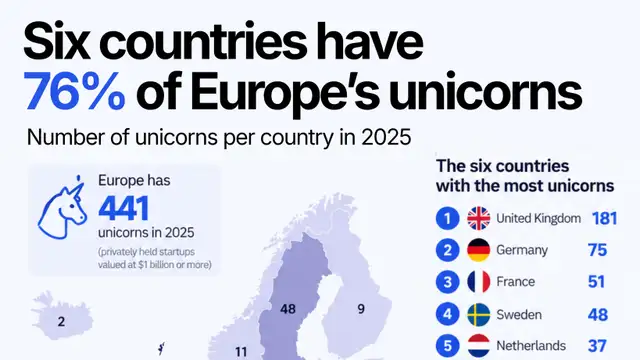
Six countries account for three-quarters of Europe’s unicorn startups
Young Kazakh students research melting glaciers in the Tien Shan mountains
Young students in Kazakhstan are researching the melting glaciers of the Tien Shan mountains, drawing attention to one of the region’s most urgent environmental challenges. The research reflects growing concern over the long-term effects of climate change on Central Asia’s water systems. The Tien Shan glaciers play a critical role in supplying freshwater to communities, agriculture, and ecosystems across multiple countries. Accelerated melting threatens future water availability and could intensify regional competition over shared water resources. The involvement of students is particularly notable because it highlights increasing public awareness and educational engagement around environmental science and climate resilience. Their work also underscores how climate change is no longer viewed solely as a scientific or policy issue but as a generational concern affecting future economic and environmental stability throughout the region.
This story is written and edited by the Global South World team, you can contact us here.