LIVE: Djibouti polls closed, counting underway
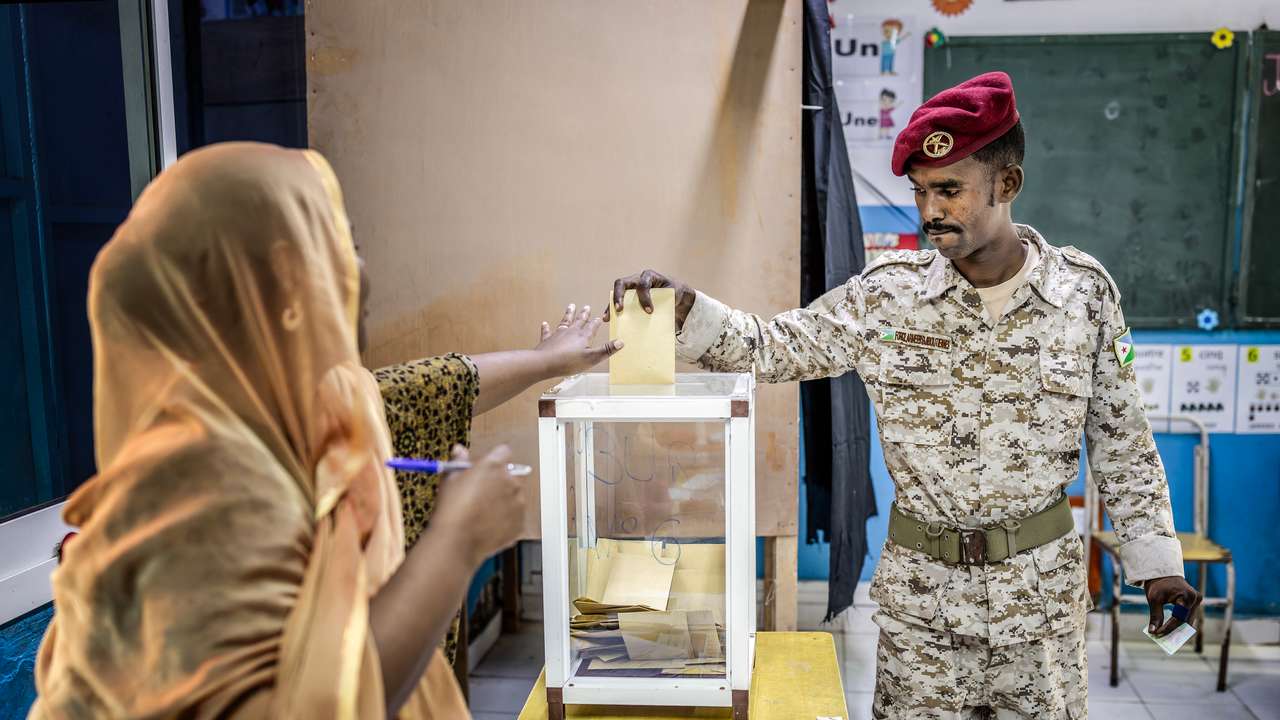
Roughly 243,000 voters are registered for Djibouti’s 2026 presidential election today, according to data from the International Foundation for Electoral Systems, with sitting President Ismaïl Omar Guelleh seeking to maintain his grip on power.
LIVE UPDATES
This brings our live coverage of Djibouti’s 2026 general election to an end. The vote is widely expected to extend President Ismaïl Omar Guelleh's rule for over two decades. Follow Global South World for ongoing updates as the process continues, with final results expected from the Electoral Commission within the next 48 hours.
15:30 GMT: IGAD perspective on Djibouti elections
12:30 GMT: Online reactions trail the elections
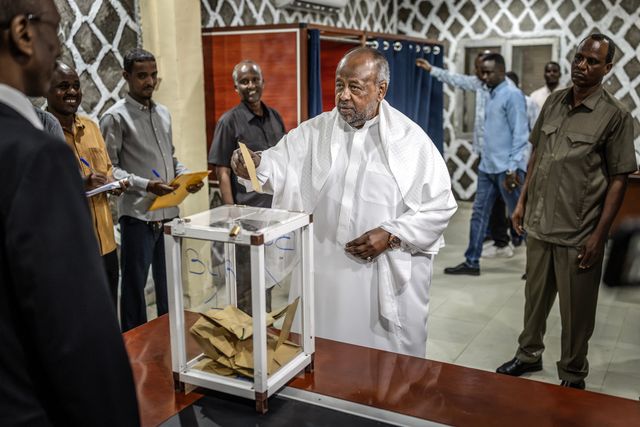
12:00 GMT: President Guelleh casts his vote
RECOMMENDED FOR YOU
Six countries account for three-quarters of Europe’s unicorn startups
The leader said, "Everything went well thanks to God, I have fulfilled my duty as a citizen, and I hope that the citizens of Djibouti will do the same," after casting his ballot.
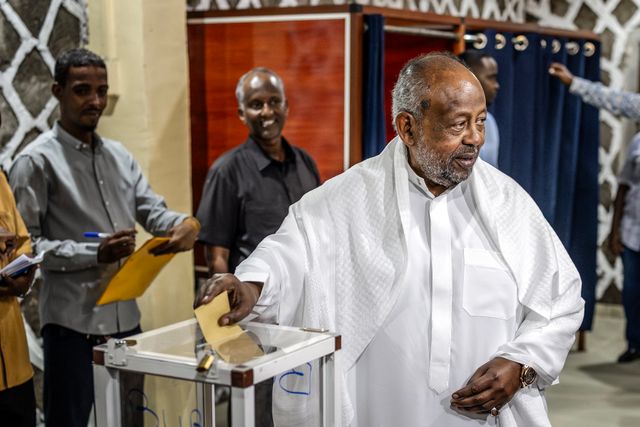
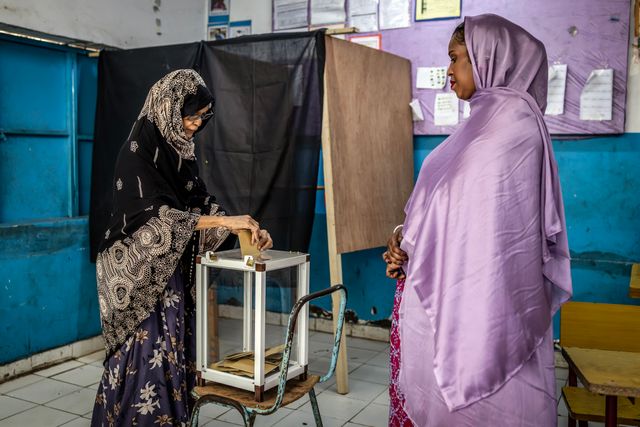
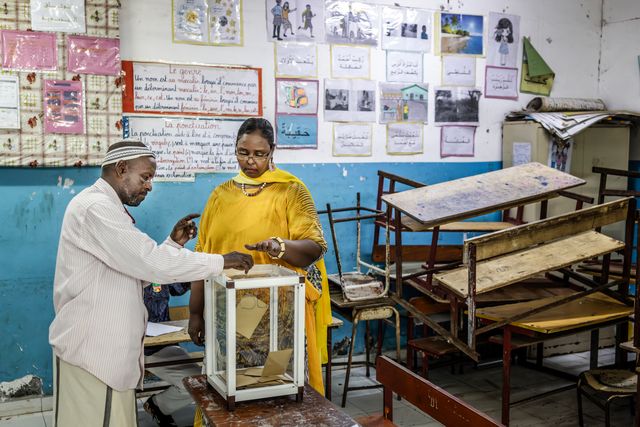
7:50 GMT: Voting continues in Djibouti

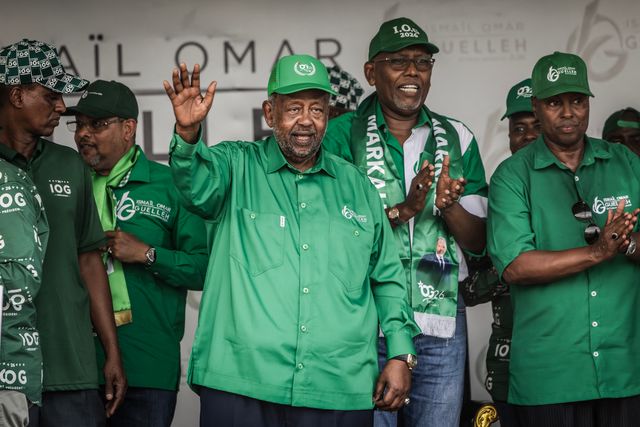
7:02 GMT: Guelleh promises prosperity
During the final campaign run, sitting President Ismaïl Omar Guelleh assured Djiboutians that his party would continue to promote prosperity.
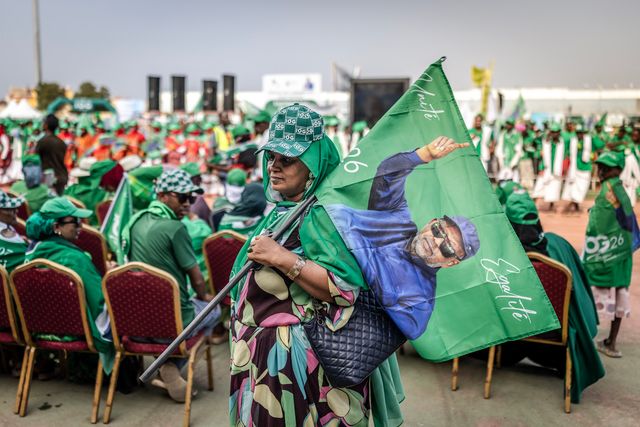
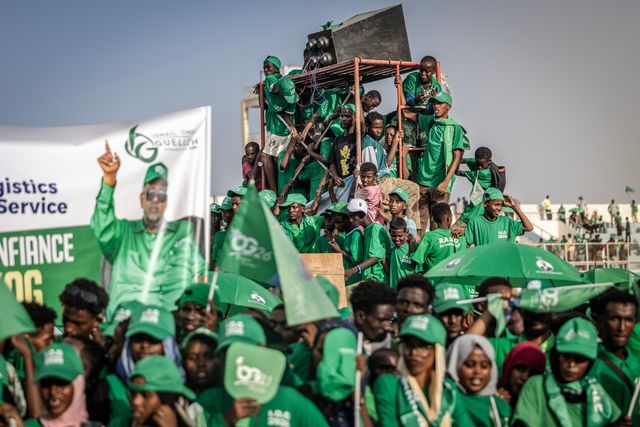
6:16 GMT: Voting begins in Djibouti
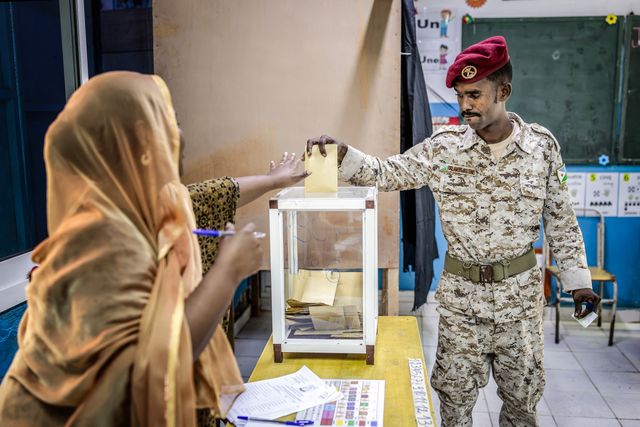
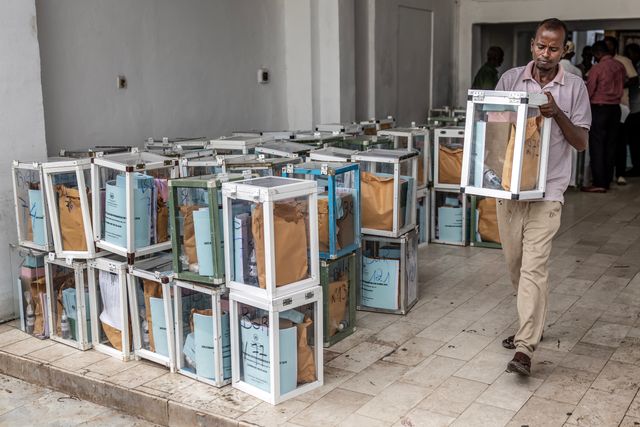
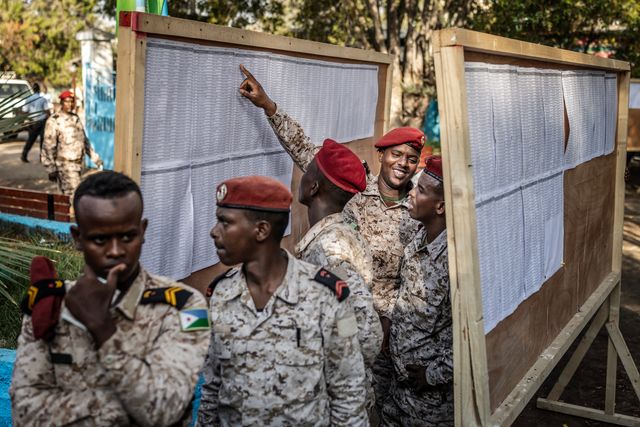
Djibouti heads to the polls on Friday, April 10, 2026, but few observers expect surprises.
At the centre is President Ismaïl Omar Guelleh, widely known as “IOG”, who has ruled Djibouti since 1999 after succeeding his uncle, Hassan Gouled Aptidon, the country’s first president. If re-elected, Guelleh would extend his tenure to nearly three decades in power.
RECOMMENDED FOR YOU

Madagascar Roundup: Child food poverty hits 77%, growth rebound forecast for 2027 and northern risk mapping begins
His dominance is backed by the ruling party, the People’s Rally for Progress (RPP), which leads the broader governing coalition, the Union for the Presidential Majority (UMP).
A 2010 constitutional amendment removed presidential term limits, allowing Guelleh to run indefinitely. More recently, in 2025, Djibouti’s parliament eliminated the 75-year age cap for presidential candidates, a move widely interpreted as designed to ensure Guelleh, now 78, could stand again.
Who is contesting IOG?
Mohamed Farah Samatar stands as the sole challenger to President Guelleh, though his candidacy carries its own complexities. A former insider of the ruling establishment, he is now contesting the presidency under the banner of the Unified Democratic Centre (CDU).
During the lead-up to the votes, Samatar took his campaign to the Tadjourah and Obock regions, where he addressed supporters and attempted to project an alternative vision for the country, insisting that “another Djibouti is possible”.
Even so, analysts remain sceptical about the broader significance of the race. Sonia Le Gouriellec, a specialist on the Horn of Africa at Lille Catholic University, told AFP: “There’s not much at stake. It’s just a token competition.”
Who can vote?
Roughly 243,000 voters are registered for Djibouti’s 2026 presidential election, according to data from the International Foundation for Electoral Systems, out of a national population estimated at just over one million.
RECOMMENDED FOR YOU

Russia signs BRICS Pay and technology deals in New Delhi
Polling stations are expected to open in the morning and close later in the day, after which counting is expected to begin.
Despite being labelled an “electoral autocracy” by international monitors, Djibouti is hosting a regional observer mission from the Intergovernmental Authority on Development (IGAD), with 17 observers from Ethiopia, Kenya, Somalia, South Sudan and Uganda deployed nationwide.
The bloc is expected to release its initial assessment after the vote, followed by a formal statement on 12 April.
This story is written and edited by the Global South World team, you can contact us here.