Malaysia steps up scrutiny of LGBTQ+ dating platforms
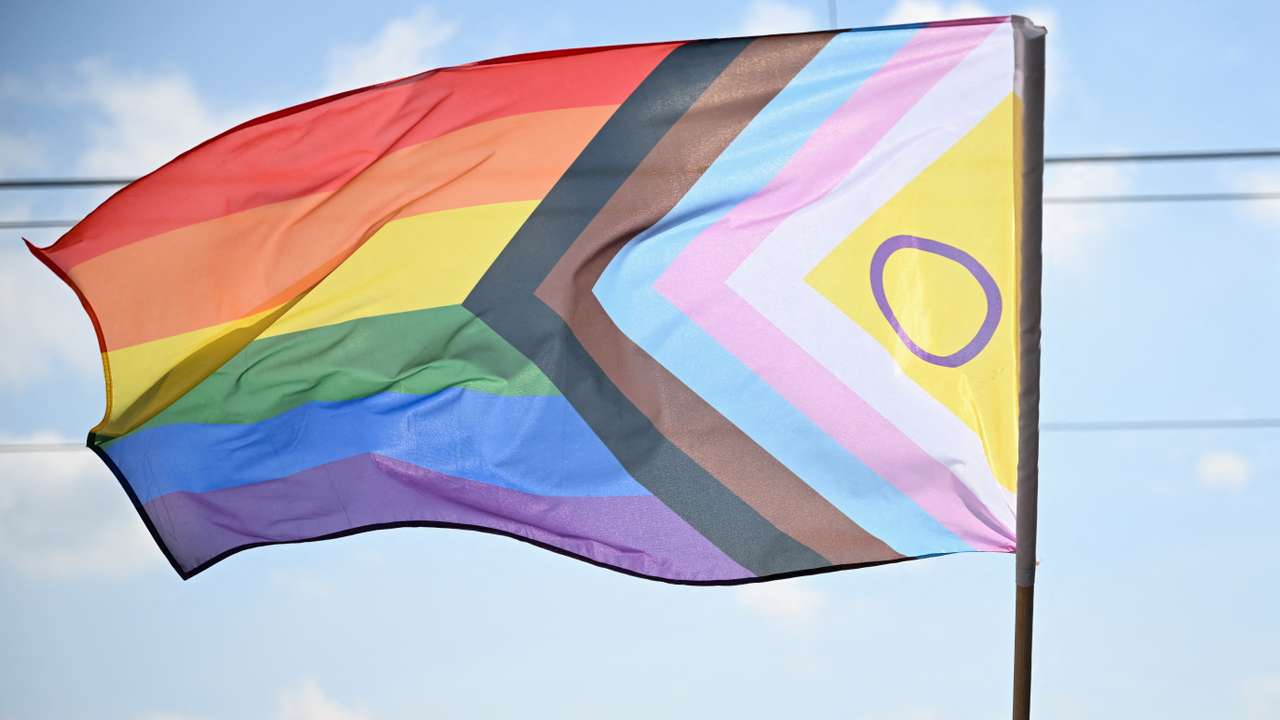
Malaysia has blocked access to the websites of LGBTQ+ dating platforms Grindr and Blued, and is now weighing legal measures that could extend to their mobile applications.
While website blocking measures are already in place, regulators acknowledge that restricting mobile apps is more complex. Control over platforms such as Google Play and Apple’s App Store lies largely with the companies themselves, raising legal and jurisdictional hurdles for Malaysian enforcement.
Still, further action is under active review, signalling that the crackdown may not stop at web access alone.
What happened:
- The Malaysian Communications and Multimedia Commission (MCMC) has blocked access to the Grindr and Blued websites.
- Authorities are examining legal avenues to curb the apps, including possible engagement with Google and Apple.
- No formal requests have yet been made to remove the apps from app stores.
What officials say:
Communications Minister Fahmi Fadzil said MCMC will act against content or app functions that violate local laws, including material deemed lewd or immoral, exploitative, abusive, fraudulent or threatening to public safety.
- Potential steps include content takedown requests, access restrictions, or referrals to enforcement agencies such as the police.
Why ban them now?
MCMC was merely responding to a parliamentary question from Nurul Amin Hamid on whether the government would work with app store providers to block downloads of LGBTQ+ dating apps, including Grindr, Blued and Growlr.
RECOMMENDED FOR YOU
Six countries account for three-quarters of Europe’s unicorn startups
Strict LGBT laws in Malaysia
Malaysia has not cited a single, specific statute naming the apps themselves. But the Muslim-majority country has been implementing sharia law and content regulations that prohibit the promotion of LGBTQ+ identities to Muslims.
Under sharia law — which applies to Muslims in Malaysia — same-sex acts and sodomy are criminalised, though prosecutions are rare.
A government task force has proposed amendments that would explicitly allow enforcement action against online content seen as “promoting the LGBT lifestyle” or insulting Islam, including material shared via apps and social media platforms.
Bigger picture:
- Grindr has faced restrictions in several countries across Asia and the Middle East.
- Regional approaches vary widely: Indonesia has imposed broad bans, while Thailand and the Philippines have not.
- Malaysia’s move comes amid heightened scrutiny of LGBTQ+ spaces and online content enforcement.
Why it matters:
Website blocks are relatively easy to implement, but app store restrictions require cooperation from global tech firms. How Malaysia navigates that gap will shape the reach — and limits — of its online content enforcement going forward.
This story is written and edited by the Global South World team, you can contact us here.