Meet the ‘Chinese Trump,’ the most unlikely of mash-ups
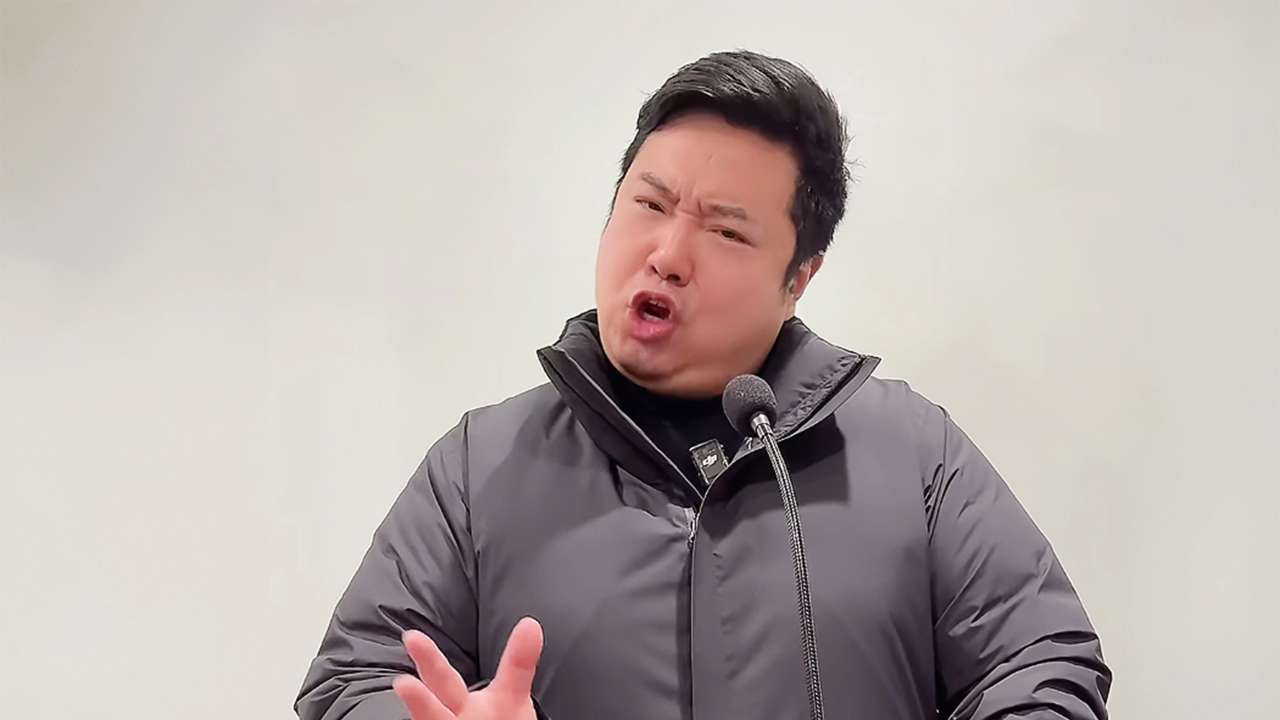
It is rare for “China” and “Trump” to appear in the same sentence without tension, let alone humour. Yet that unlikely pairing is exactly what Ryan Chen, an impersonator from Chongqing, has managed to make work.
Calling himself the “Chinese Trump,” Chen delivers the accent, bragaddocio and exaggerated hand movements of the controversial US president, but without the suit, the long red tie or the platinum-blonde hair.
Chen, 42, is a trained architect who found a second career by borrowing Trump’s antics.
His performances are carefully apolitical — no policy jabs or election jokes — relying instead on spectacle and familiarity.
In his short videos, Trump’s unmistakable drawl introduces Chinese hotpot, banters with tourists and dances to “YMCA”, all in English with Chinese subtitles. The emphasis is on entertainment, not commentary.
RECOMMENDED FOR YOU

Ugandan queen mother claims house arrest amid Tooro succession dispute
It all started with a bet
Chen began posting English-language videos online as a backup when China’s property downturn began to bite into his day job. At first, the response was modest. That changed when a friend dared him to try a Trump impression.
When Trump returned to the White House in 2025, the timing suddenly worked in Chen’s favour. The character felt relevant again — and the algorithm took notice.
Rise despite social media restrictions
What sets Chen apart is not just how closely he captures Trump’s voice and rhythm, but how far the impersonation has travelled.
Instagram is blocked in China, yet it has become Chen’s biggest platform, where he now has more than 1.3 million followers — more than on TikTok.
He has also built a large audience on Chinese apps, an unlikely achievement in a tightly controlled online space and at a time of strained US-China relations.
By treating Trump as a global pop culture figure rather than a political one, Chen has managed to stay visible and in demand. The approach has brought brand deals, live appearances and corporate events, without drawing official scrutiny.
Chinese Trump comes to the US
Like the real-life Trump, Chen has also attracted numerous stars near his orbit — both the real-life versions and impersonators.
In October, the Chinese Trump met with “Yilong Ma,” a Chinese impersonator of the tech billionaire Elon Musk, a famed Trump ally.
RECOMMENDED FOR YOU

Iran rejects US claim of control over Strait of Hormuz
Chen has also met with American livestream artist iShowSpeed when the latter went on a tour in Asia, as well as UFC CEO Dana White, another famous ally of Trump.
Earlier this year, it was Chen who travelled to the United States for the first time. He visited a Trump store and posted videos announcing he had come all the way from “Chin-a,” complete with the familiar tongue flick and fist pump.
The trip centred on the Consumer Electronics Show, but the attention he attracted suggested his following had moved beyond screens. Strangers recognised him, and the character translated surprisingly well offline.
Chen sees himself less as a provocateur than as a bridge — a borrowed American voice used to make China feel more approachable.
At a time when rivalry dominates the conversation, his success points to a simpler truth: imitation, when kept light, can still cut through the noise.
This story is written and edited by the Global South World team, you can contact us here.