Middle East crisis: Nigeria, Kenya, Egypt, others cut interest rates as African countries brace for impact
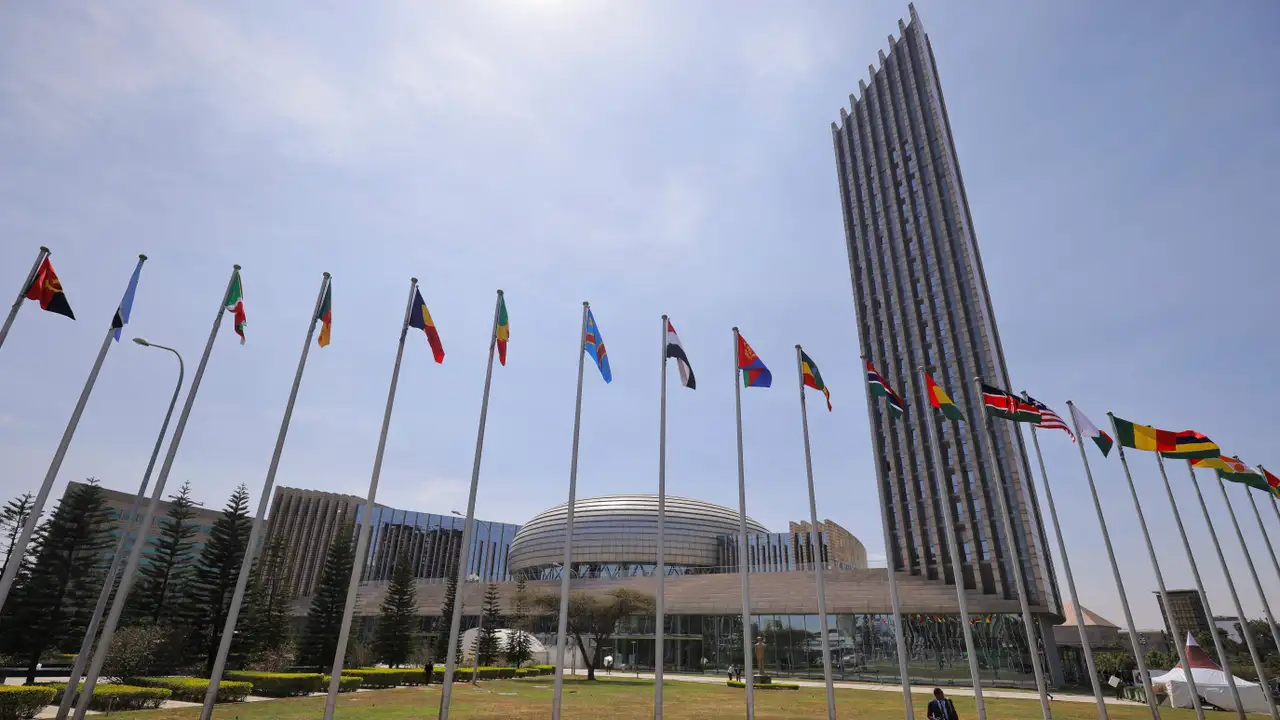
Several African central banks, including Nigeria, Kenya, Egypt and the Democratic Republic of Congo, cut interest rates last month after inflation cooled, foreign demand improved for local-currency bonds, and stronger commodity prices supported current account balances.
However, it has been projected that the rate-cut wave could now slow or pause as the Middle East crisis pushes oil prices higher, raising fresh inflation risks for African economies that import most of their fuel.
In South Africa, markets have already shifted as traders are now pricing no chance of a rate cut at the central bank’s March 26 meeting, after a cut was still being seen as possible just days earlier.
“Until the outlook in the Iran war becomes clearer, significant policy rate decisions by African central banks may be deferred,” said Hasnain Malik, a strategist at research firm Tellimer. He said countries such as Egypt, Kenya and Morocco could be more exposed to disruption than commodity producers like Ghana, Nigeria and South Africa.
Oil has jumped as traders worry about supply and shipping risks linked to Iran and the Strait of Hormuz, a key route for global energy flows. Higher fuel costs could quickly feed into transport and food prices across the continent.
RECOMMENDED FOR YOU

Brazilians divided over Lula and Bolsonaro ahead of presidential run-off
African markets have also been unsettled by investors pulling money from riskier assets and moving into the US dollar, weakening local currencies. “Borrowing and raising capital just got harder,” said Charlie Robertson, author of The Time Travelling Economist. Chatham House’s Tighisti Amare warned African economies “simply do not have the buffers for another prolonged global shock.”
This story is written and edited by the Global South World team, you can contact us here.