Middle East War Briefing: Hormuz blockade, oil surge, silent evacuations and Trump’s ‘unconditional surrender’ call
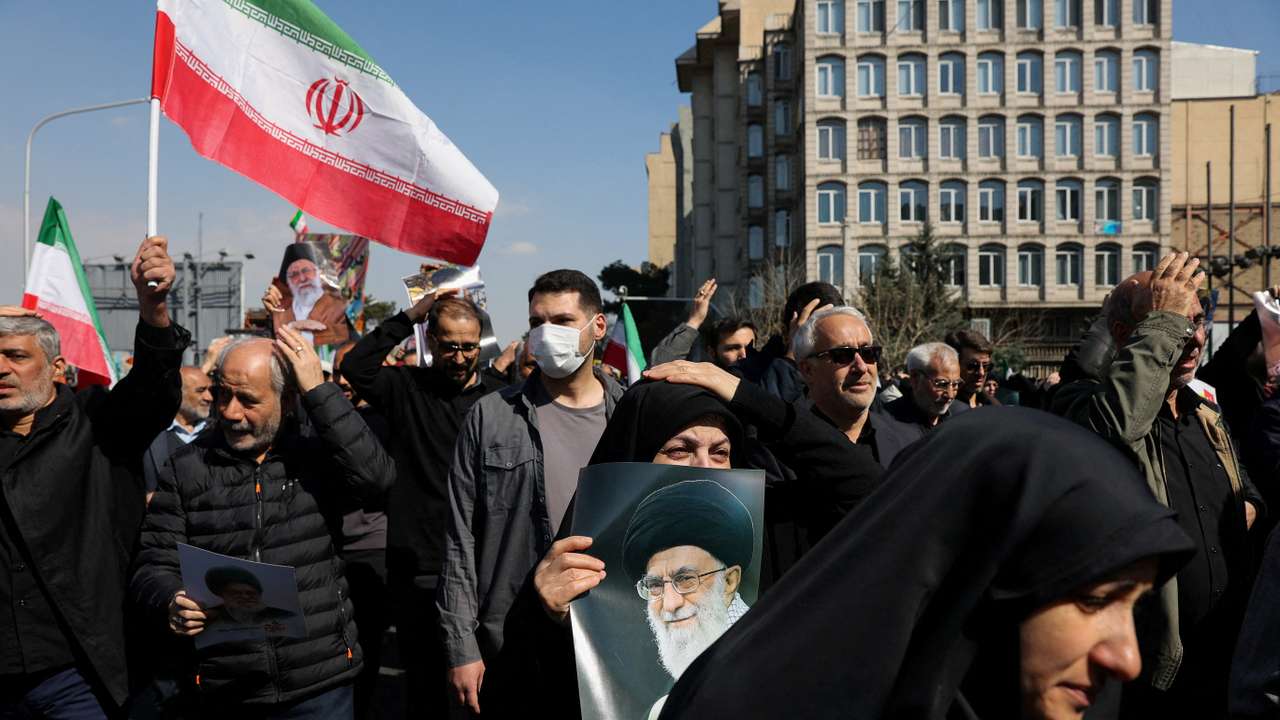
The war involving the United States, Israel and Iran entered a seventh day with fresh warnings about energy supplies, shipping and the risk of a regional or even a global spillover.
US President Donald Trump said Washington was not seeking negotiations and would only accept Iran’s “unconditional surrender”, as markets reacted to mounting disruption around the Gulf.
Why the Strait of Hormuz is the big pressure point
Oil prices have climbed sharply as tankers and insurers reassess the risks of moving through the Strait of Hormuz, the narrow waterway linking the Gulf to global markets. Roughly a fifth of global oil supply depends on the route, making any sustained disruption a global price shock.
Shipping has also taken a major hit. Danish container giant Maersk has suspended services on routes affected by the security situation, one sign that supply-chain disruption is spreading beyond the energy market.
RECOMMENDED FOR YOU
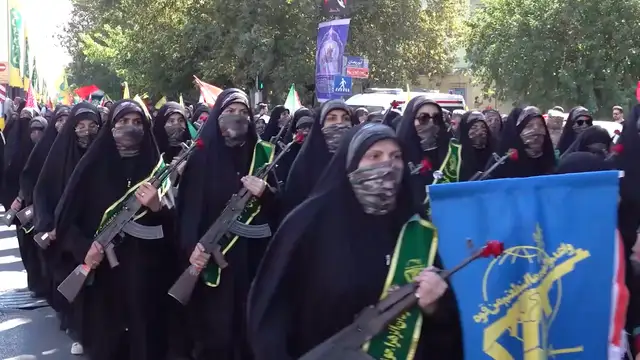
IRGC rally fills capital as over 300,000 take part in 'Devotees of Iran' march
Silent evacuations
Commercial aviation has also been hammered by airspace closures and security restrictions.
Governments are also evacuating people out of harm’s way. The Financial Times reported that Dubai International has been operating at a fraction of normal capacity under military-controlled corridors, while Emirates said it aims to restore its Dubai routes within days as air travel begins to recover. The US State Department has been offering assistance, including charter flights and ground transport, and US officials say tens of thousands of Americans have left the region as commercial travel remains patchy.
"It is being done quietly, but seamlessly," Trump said in a social media post. "Several flights have safely returned hundreds of Americans to the United States with additional flights scheduled to take place over the coming days, as security conditions allow," Assistant Secretary of State for Global Public Affairs Dylan Johnson said
Germany has also been adjusting its posture in the region as Berlin previously moved some troops out of Erbil in northern Iraq, citing the rising tensions.
A new ripple effect in other sectors
The economic fallout is being felt far from the Gulf. In Sri Lanka, tea exporters have warned that the Middle East conflict is disrupting shipments and payment channels, putting pressure on one of the country’s key export earners and an already-fragile recovery. At this rate, could lose at least $10 to $15 million a week in the tea industry.
Sri Lanka has also been pulled into the conflict’s maritime shadow after reports that the Iranian frigate IRIS Dena sank following a US submarine strike off the island’s southern coast, an incident that has heightened regional anxiety along Indian Ocean shipping lanes.
RECOMMENDED FOR YOU
Residents demand justice after deadly attack in Nigeria's Plateau State
What next?
With oil and shipping costs rising, the next signals investors and governments are watching include whether Gulf export routes stay disrupted, whether major carriers restore normal schedules, and whether diplomatic efforts, including via intermediaries, can slow the fight before energy and trade shocks worsen.
Iran has launched missile and drone attacks across parts of the Gulf, while Israel has continued strikes in Iran and intensified operations against Hezbollah in Lebanon, according to the Associated Press.
This story is written and edited by the Global South World team, you can contact us here.