Mining in Africa and the looming perils
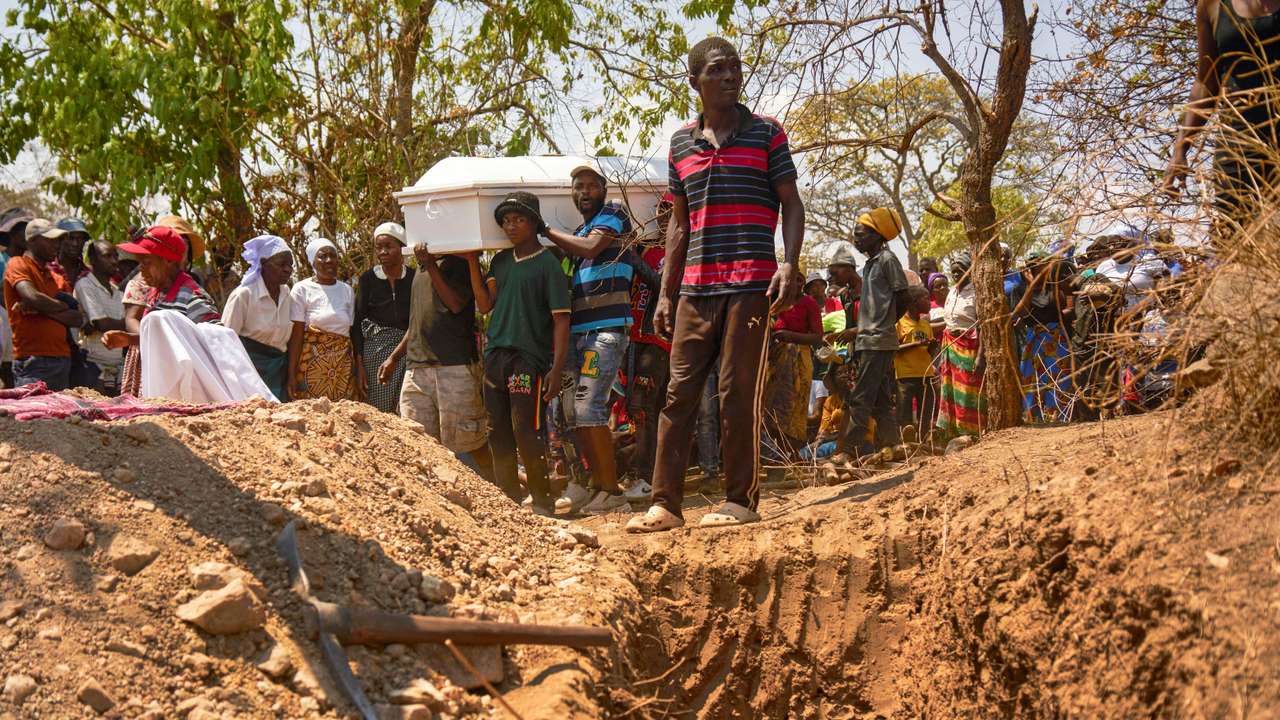
Africa, the world’s second-largest continent is gifted with a lot of natural resources including vast deposits of minerals and precious metals.
The mining industry plays a pivotal role in the region's economic growth, job creation, and foreign investments. However, beneath the surface of Africa's mining boom lies a complex tapestry of dangers and perils that often go unnoticed but demand our attention.
These perilous underground chambers, where dreams of prosperity and progress collide with the harsh reality of danger and despair, have become silent tombs for too many.
Mining-related accidents resulting in fatalities can occur in various African countries due to the inherent risks associated with mining. It's essential to note that mining safety standards and practices vary significantly from one country to another.
In the scramble for resources, many mining operations, particularly artisanal and small-scale mining, operate in a regulatory vacuum. Safety standards are often disregarded or nonexistent, and oversight is lax. This laissez-faire environment perpetuates the cycle of danger, leaving workers exposed to the whims of fate.
RECOMMENDED FOR YOU
Six countries account for three-quarters of Europe’s unicorn startups
Mine pit deaths
Many African countries like South Africa, the Democratic Republic of Congo, Nigeria, Ghana and Zimbabwe have experienced different episodes of mine deaths.
Miners are usually buried in mine pits that cave in during work.
In Zimbabwe this year, for instance, several persons were killed with others injured in the Chegutu district after a mine collapse.
These mining pits which are usually created by digging remain one of the dangerous risks being posed to underground miners.
Health and Safety Hazards
The International World Organisation indicates that miners are exposed to factors including airborne contaminants (such as rock and dust fumes), excessive noise, vibration, heat stress and ergonomic problems that pose health risks to mineworkers.
Inadequate safety measures and exposure to toxic substances can lead to respiratory diseases and other health issues among miners. For instance, in South African gold mines, workers have been exposed to high levels of dust, leading to conditions like silicosis and tuberculosis.
RECOMMENDED FOR YOU
Zambia Roundup: Election irregularities, Kafwaya death probe and ZCCM-IH’s K4.92bn loss
Child labour and exploitation
The International Labour Organisation (ILO) further raises concerns about African mining, especially with regard to child labour and hazardous work. In the Democratic Republic of Congo (DRC) for instance, children have been reported working in cobalt mines under dangerous conditions.
Environmental Degradation
The United Nations Environment Programme (UNEP) raises concerns about mining activities often resulting in deforestation, water pollution, and habitat destruction. In Ghana, unregulated small-scale gold mining, known as "galamsey," has led to severe environmental degradation, including water pollution from mercury use.
Human Rights Violations
Human Rights organization, Human Rights Watch raises concerns with violations of human rights particularly that of children who are forced into labour in mining communities. In Ghana, for instance, the Human Rights Watch cites several instances where children’s rights are violated. In Mozambique also, coal mining operations have been associated with human rights abuses, including forced relocations of local communities.
The loss of lives in African mine pits through various means is a global tragedy. Beneath the surface of Africa's resource wealth, there lies a silent but devastating crisis, one that urgently requires international attention and action.