MobiBank wants to put a bank in your pocket
A 21st-century bank does not have cashiers, desks or even an ATM. It is 15 centimetres long and fits in your pocket.
That is the vision of MobiBank CEO Jussi Teeriaho, who plans to sell his multifunctional mobile banks - once known as smartphones - to users for $85 or less.
While phone tech providers like Apple and Google offer financial services, Teeriaho points out that they are not specialists and are not building full-scale solutions to help users get the best value for their money. In addition, the architecture of smartphones can create security risks that banks have insufficient ability to address, he claims.
“The problem with the many competitors nowadays in the fintech industry is that they own the app. The app is theirs. But when we go to the pipes underneath, they belong to somebody else. And when we go to the full-stack system - device, operating systems, financial engine and distributed channels - it starts to be divided between so many players that there are challenges all the time,” Teeriaho told Global South World. “Our target is to have one hub where you get all the services, including application, including security, including the pipe channels, and how to deliver things in the future.”
RECOMMENDED FOR YOU
Six countries account for three-quarters of Europe’s unicorn startups
Teeriaho wants to bring his experience designing safety and backup features for Nokia to build a better phone that will empower users who are dependent on mobile payments. One of his first targets is farming and mining businesses in Africa, which need to be able to send and receive money but currently suffer from high transaction costs.
Once licences are signed off, he promises the capacity to produce tens of thousands of phones a day. Scale is important. With 1.7 billion people in the world still unbanked, there is the potential to change the equation around livelihoods as well as economic growth. Traditional banking services, which can take days or weeks to onboard new customers, are not up to the challenge.
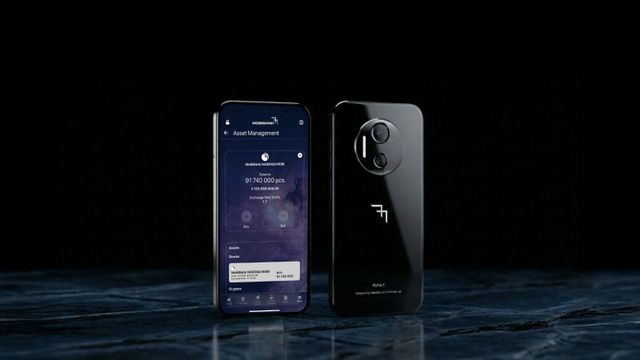
MobiBank is promising to address another challenge - it is aiming to provide banking functionalities that can operate without the internet.
So far, the company is raising around $10 million from private and institutional investors in 12 countries, and Teeriaho says it is planning a launch in Nigeria in the third quarter of 2026.
If his vision is fulfilled, we could be leaving the smartphone era to enter a smart-banking world.
This story is written and edited by the Global South World team, you can contact us here.
