Nicaragua Roundup: Dual nationality ban, political prisoners, religious persecution claims
Nicaragua passes constitutional reform ending dual nationality
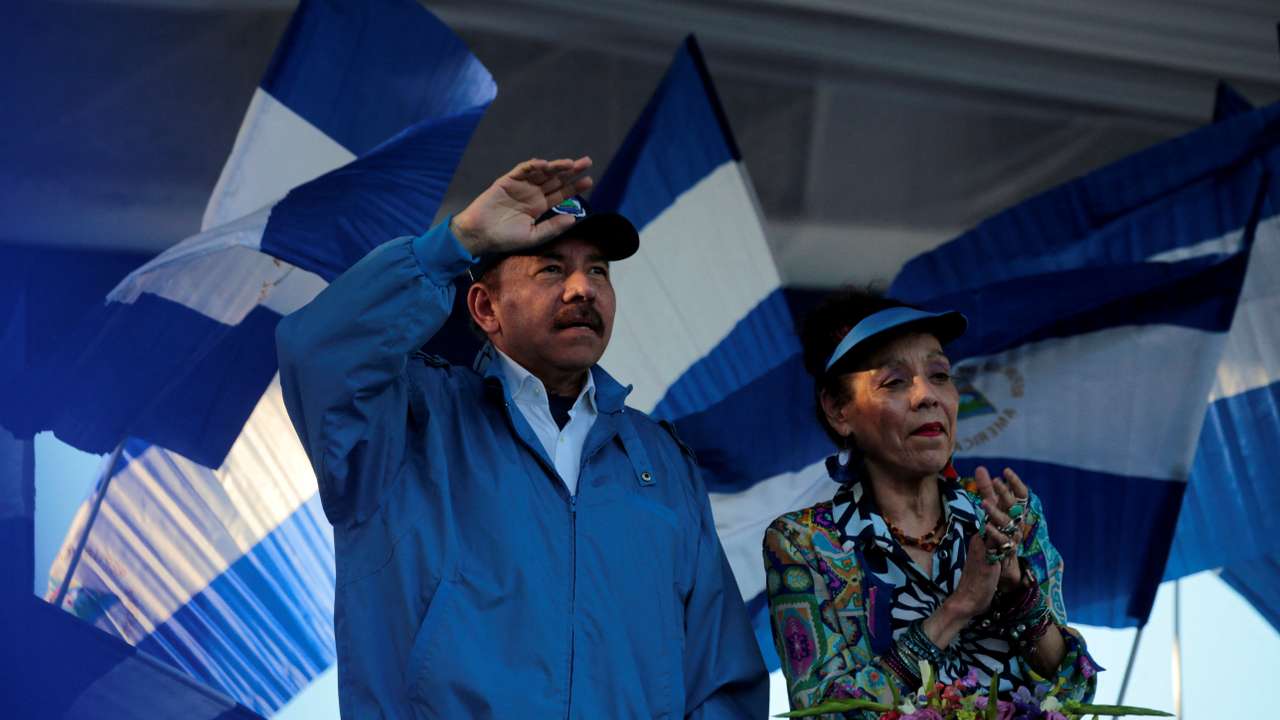
Nicaragua’s National Assembly approved a constitutional reform stating that Nicaraguan nationality will be lost when another nationality is acquired, after passing the measure in a second and final legislature on Wednesday, January 14, 2026. The reform modifies Articles 23 and 25 of the Constitution, including a new requirement that foreigners seeking naturalisation must renounce their nationality of origin. The reform was proposed as urgent by Nicaragua’s co-presidents Daniel Ortega and Rosario Murillo, who argued that nationality is a “sacred pact of loyalty” and that “there cannot be double fidelity.” Opposition groups in exile, including Unamos, condemned the change as a new escalation in the Ortega-Murillo government’s authoritarian policies and warned that it increases uncertainty for Nicaraguans abroad who have acquired another citizenship.
US calls for unconditional release of all political prisoners
On January 17, 2026, the United States demanded that Nicaragua’s government “unconditionally” release all political prisoners, following the reported release on January 10 of at least 24 dissidents and critics of the Sandinista executive. The US State Department’s Bureau of Western Hemisphere Affairs said the release must happen “without exceptions, without house arrest, without new detentions,” adding that freedom requires ending what it described as a cycle of repression. Nicaragua had announced the release of “dozens” of detainees, according to humanitarian groups, as the government marked the 19th anniversary of Ortega’s return to power, amid renewed pressure from Washington.
Over 60 detained after social media reactions to Maduro’s capture
Rights monitors reported a new wave of arbitrary detentions in early January, targeting people accused of expressing opinions online after the reported US military capture of Venezuelan President Nicolás Maduro, an ally of Ortega and Murillo. The civil network Monitoreo Azul y Blanco said at least 60 Nicaraguans were detained between January 3 and 9, without judicial orders, across multiple departments, including Managua, Matagalpa, Chinandega, Estelí, Masaya, Granada, Jinotega, and Chontales, as well as the North and South Caribbean regions. The organisation said 49 remained detained without clarity on their legal situation, while others were temporarily held or released. US officials criticised the arrests as evidence of government paranoia, saying some people were detained simply for “liking” posts on social media.
List of 24 political prisoners released includes cases not previously registered
The Mechanism for the Recognition of Political Prisoners said in an update on January 11 that 24 people were confirmed released on January 10, including six not previously listed among the group’s official count of detainees, suggesting underreporting of politically motivated arrests. The mechanism said more than 40 political prisoners remain detained. Reports also said some of those released are banned from using social media, required to report daily to police stations, and must notify authorities in advance if leaving their municipality. Among those released were evangelical pastor Rudy Palacios Vargas and several family members, as well as former judiciary workers identified by political prisoner groups.
RECOMMENDED FOR YOU
Tunisia Roundup: Drug cases triple, 10,000 students face housing squeeze and businesses target African expansion
Nicaraguan lawyer urges tougher action over religious persecution claims
Nicaraguan lawyer and Catholic researcher Martha Patricia Molina has urged the US Commission on International Religious Freedom (USCIRF) to focus increased attention on Nicaragua, warning that public prayer is treated as a crime in the country. Speaking at a January 13 hearing in Washington, Molina said she has documented thousands of alleged attacks since April 2018 against priests, nuns, and laypeople. She claimed the authorities harass altar boys, monitor religious communities, restrict the entry of Bibles, and control Catholic religious materials. Molina also alleged that numerous institutions have been shut down and that hundreds of priests and nuns have been forced into exile or blocked from returning, significantly reducing the number of clergy serving in some dioceses. USCIRF officials stated that they continue to evaluate global conditions related to religious freedom and advocate for stronger accountability mechanisms where necessary.
This story is written and edited by the Global South World team, you can contact us here.
