No more overcharging: Seoul adds English translation to taxi receipts
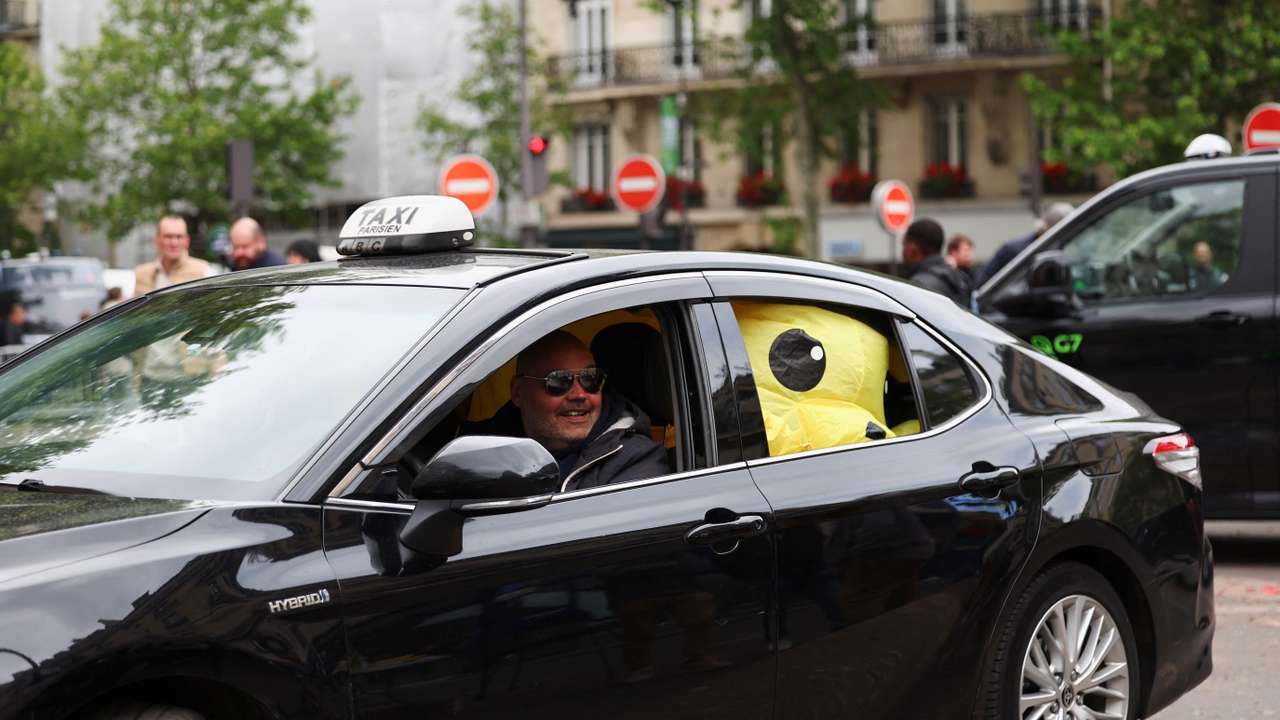
Seoul has begun issuing English-language taxi receipts in a bid to protect foreign passengers from being overcharged, as complaints against cab drivers continue to mount.
The Seoul Metropolitan Government said the bilingual receipts, rolled out in December 2025, provide a full breakdown of fares in both Korean and English.
They include the total amount charged, pick-up and drop-off times, late-night and out-of-district surcharges, and clear instructions on how to report suspected violations.
For city officials, the change was aimed at closing a key information gap for overseas visitors, who are often unable to verify charges because traditional taxi receipts are printed only in Korean. As a result, foreign passengers are seen as more vulnerable to inflated fares and unlawful practices.
Private ride-hailing platforms, including Kakao Mobility and Tada, have also been asked to introduce English fare breakdowns to ensure greater transparency across the sector.
RECOMMENDED FOR YOU

‘We will rescue Brazil’ - Flavio Bolsonaro targets Lula at Recife rally
Nearly 500 complaints
According to city data, 487 complaints of alleged overcharging were filed by foreign passengers between June and December 2025 after the launch of a QR-based reporting system. ed.
The city has paired the new receipts with a broader public awareness drive, installing complaint-guidance stickers inside around 71,000 taxis and placing banners and posters at 78 taxi ranks near major tourist areas, as well as in 11 districts popular with foreign visitors, including Myeong-dong, Hongdae and Itaewon.
Yeo Jang-kwon, head of the city’s Transportation Bureau, said the measures were designed to deter illegal practices and reassure visitors.
Taxi drivers in Seoul have been notorious for grifting foreign cab hailers.
Last September, a Japanese television crew posing as tourists was charged 45,000 won ($30) for a trip from Myeong-dong to Hongdae — nearly four times the standard fare.
The driver was later fined after a city investigation, and the incident fuelled public criticism and prompted tougher enforcement against unfair treatment of foreign travellers.
RECOMMENDED FOR YOU

Indonesia Earthquake: Injured victims airlifted from Flores
This story is written and edited by the Global South World team, you can contact us here.