Once law, Duterte’s words now cited against him at ICC
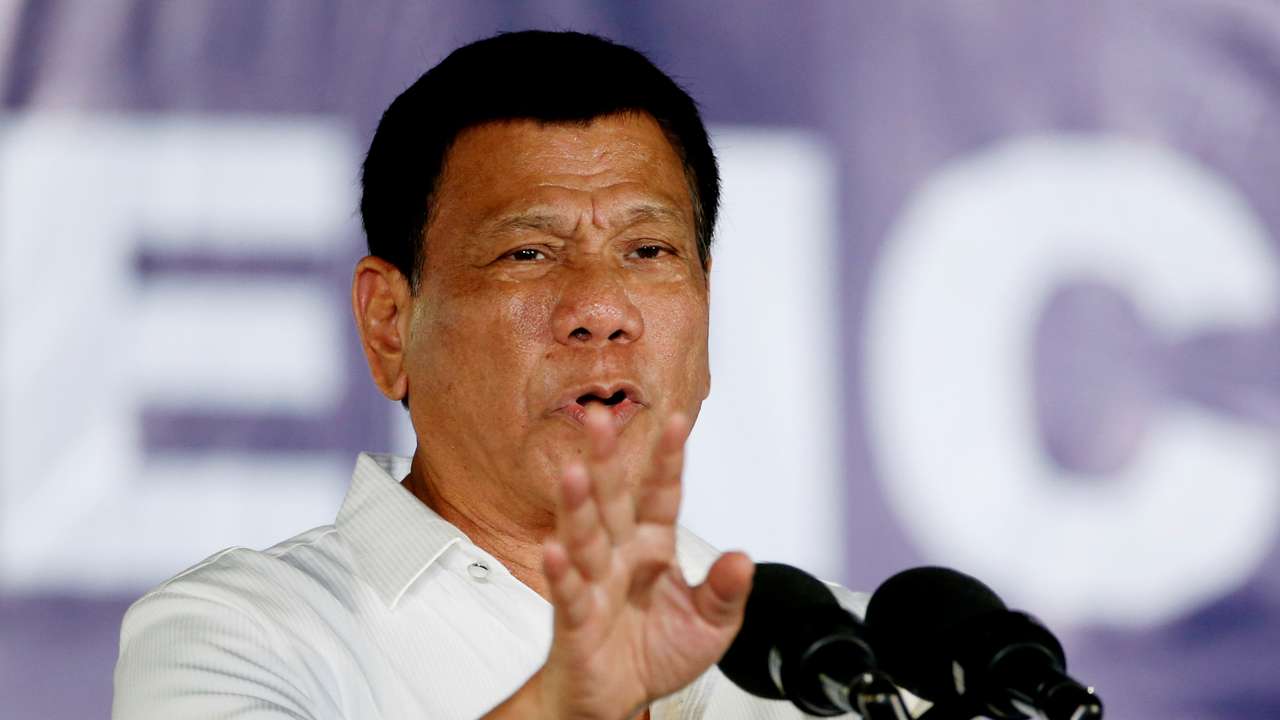
For six years, the words of Rodrigo Duterte were treated as law.
As president from 2016 to 2022, Duterte frequently issued public directives in unscripted speeches that law enforcement agencies treated as operational guidance. In 2018, police arrested thousands of people in anti-loitering operations after Duterte publicly ordered authorities to round up those he described as potential sources of trouble. On one occasion, authorities arrested a business owner following Duterte’s public denunciations, even in the absence of court-issued warrants.
Yet on Monday in The Hague, that record of statements was cited back to Duterte.
Duterte faces charges of crimes against humanity at the International Criminal Court (ICC) linked to his anti-drug campaign. During the confirmation of charges hearing, prosecutors outlined a series of public remarks they said demonstrated his knowledge of, and intent behind, a campaign that resulted in thousands of deaths.
In his opening statement, Deputy Prosecutor Mame Mandiaye Niang argued that Duterte’s own speeches showed awareness of the scale of the killings and the assurances extended to police officers and alleged vigilantes.
RECOMMENDED FOR YOU
Six countries account for three-quarters of Europe’s unicorn startups
“Duterte's criminal plan and his intent were no secret,” Niang said. “He not only shared them with his co-perpetrators and members of the death squad (Davao Death Squad) but also made them abundantly clear to the general public in the numerous public statements that he made time and again.”
These are some of Duterte’s statements cited by the ICC prosecution:
“The shoot-to-kill order is a legitimate tool of the government to combat lawlessness.”
The ICC said evidence indicated “the Davao City Mayor’s Office provided some members of the DDS with regular salaries. Financial rewards were also given to direct perpetrators in the form of cash per killing.”
“For as long as there is the power to pardon in the Constitution, that’s my weapon against crime. If you massacre a hundred people, and there are a hundred of you, then I’ll pardon all of you. You’ll be restored to full political and civil rights, plus a promotion on top of that. That’s how it is — especially for high-profile cases.”
Niang said such statements “reassured the physical perpetrators,” citing an insider witness who said he felt confident killing under Duterte because he expected immunity. “Direct perpetrators were further emboldened to commit crime by Mr. Duterte's repeated promises of immunity,” he added.
“Those of you who are still sober, those who haven't tried illegal drugs, if you don't want to die or get hurt, don't rely on the priest, including human rights advocates. They won't be able to prevent death, so don't do it. And then there you are, sprawled on the ground, and you are portrayed in a broad sheet like Mother Mary cradling the dead cadaver of Jesus Christ. That's how they are creating dramas here.”
The statement referenced a widely circulated photograph by Filipino photographer Raffy Lerma showing a woman cradling her partner’s body with a placard reading, “Pusher ako (I’m a drug pusher).”
Though not a primary focus of the hearing, Duterte also made statements during the COVID-19 lockdowns that prosecutors described as potentially threatening, including instructions to shoot violators if their lives were in danger.
The Philippines implemented one of the world’s longest pandemic lockdowns, which had significant social and economic impacts.
“If there is any trouble, or occasions when there’s violence and your lives are in danger, shoot them dead!”
RECOMMENDED FOR YOU

Madagascar Roundup: Child food poverty hits 77%, growth rebound forecast for 2027 and northern risk mapping begins
Duterte faces three counts of murder and attempted murder spanning his mayoral and presidential terms. The ICC links him to 78 killings and attempted killings, which prosecutors argue were neither “random” nor “isolated.”
“They were part of a widespread and systematic attack directed against the civilian population of the Philippines,” Niang said. “The murders and attempted murders were carried out across the Philippines and over a substantial period of time.”
Yet even without citing his statements, the ICC prosecution maintains it has enough evidence to proceed.
“For purposes of this confirmation hearing, disregard every speech ever made by Mr. Duterte. Throw them all out,” said senior trial lawyer Julian Nicholls. “There is still ample evidence of substantial ground based on the other evidence which we have put on our list."
This story is written and edited by the Global South World team, you can contact us here.