Over 1,300 hunger deaths in Tigray show how Ethiopia’s civil war still haunts survivors — Opinion
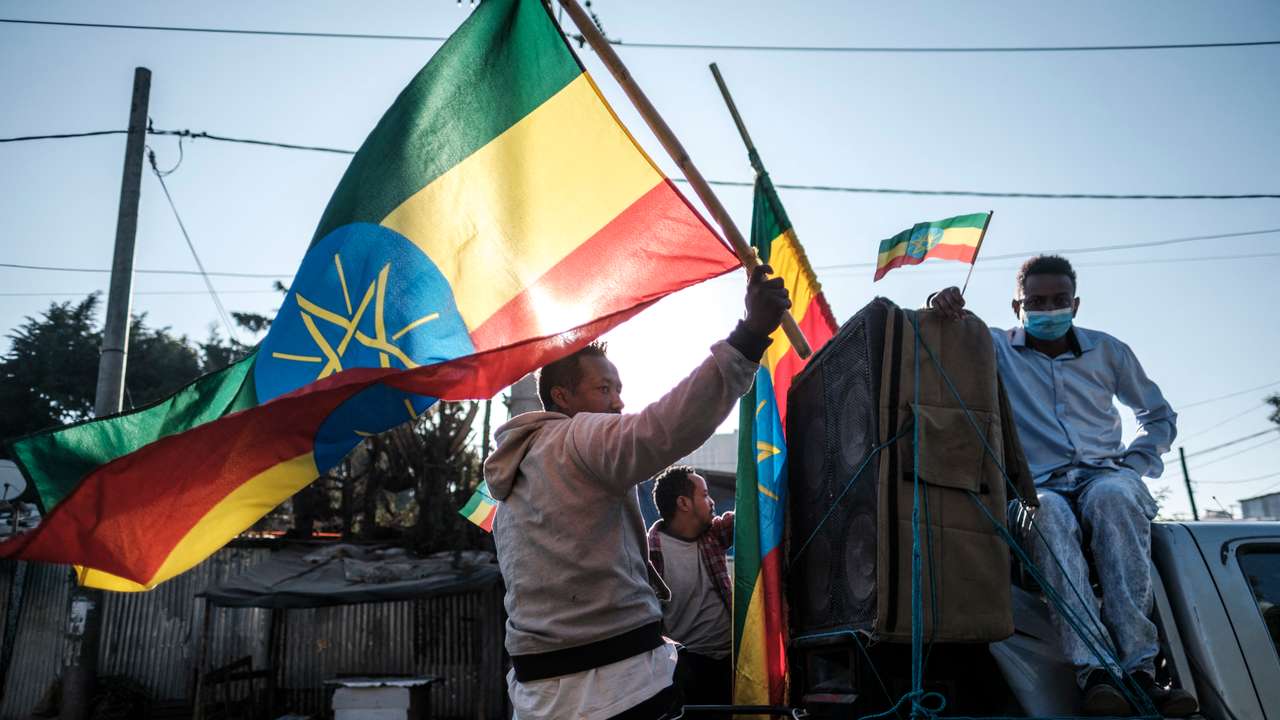
According to the Tigray Social Affairs Office, over 1,300 people from Ethiopia's Tigray region have died from hunger and lack of medicine in the last three years.
“The situation is getting worse,” cautions Gebreselassie Tareke, the office’s Director. This highlights the depth of the crisis left by the 2020-2022 civil war in Northern Ethiopia.
The region witnessed mass displacement of people during and after the armed conflict, resulting from a power struggle between the Eritrea-backed Ethiopian Federal Government under Prime Minister Abiy Ahmed and the Tigray People’s Liberation Front (TPLF).
The war claimed more than 600,000 lives and displaced over three million, exposing vulnerable groups such as women, children and the elderly to the risk of deprivation and rights abuse. Cases of alleged weaponised food insecurity and ethnic cleansing have been reported.
“Measured by the number of deaths, the Tigray War in Ethiopia is the deadliest armed conflict of the 21st century and one of the bloodiest since the end of the Cold War, claiming the lives of over 400,000 soldiers and up to 300,000 civilians,” observes a 2024 report that classifies the conflict as a genocide, citing fundamental breaches of international law.
RECOMMENDED FOR YOU
Nepal flood death toll rises to 389 as hundreds remain missing
The blazing guns were silenced through the Cessation of Hostilities Agreement, signed in November 2022 in Pretoria, South Africa. However, the conflict’s underlying causes were not addressed, like the territorial dispute over Western and Southern Tigray and the alleged historical marginalisation of Tigrayans, which has sown mistrust that undermines the endurance of the Pretoria agreement.
The displaced live in about 90 overcrowded IDP camps, like Hitsats, located near the Eritrean border, hosting over 800,000 people. These communities face numerous challenges, including mental distress and hunger. The scarcity of natural resources, particularly clean water, has been exacerbated by the recent drought, making it difficult for IDPs to cope.
Aid cuts have further hampered humanitarian efforts. “As aid actors scale back or suspend activities in the region due to funding constraints, the most vulnerable are experiencing reduced access to medical care, water and sanitation services … while overall humanitarian needs continue to exceed collective capacity,” notes Joshua Eckley, Doctors Without Borders’ head of mission for Ethiopia.
In recent months, the tensions between warring parties have re-emerged, forcing people to flee their homes again. This has sparked fears of renewed fighting, amidst uncertainty and the increasing possibility of Ethiopia’s neighbour, Eritrea, backing Tigrayan rebels against federal forces.
The re-escalation highlights the need to address the foundational factors, especially the “persistent ethnic rivalries and clashes and the incessant disputes between regionally-based elites (particularly from the Tigray, Amhara and Oromo regions) for control over the federal government, institutions and finances”, analysts suggest.
Thus, the sustainable solution to this instability requires a multi-faceted approach prioritising justice concerns and the war-ravaged region’s recovery; otherwise, it risks being a cosmetic remedy that won’t stand the test of time. Civil society organisations could play a crucial role in rehabilitation and recovery, just like in Northern Uganda after the 20-year Lord’s Resistance Army (LRA) war. CSOs could also advocate for the displaced persons’ protection, flagging human rights violations, and complementing the federal government’s efforts towards poverty eradication and social justice.
The opinions and thoughts expressed in this article reflect only the author's views.
RECOMMENDED FOR YOU
Colombia’s war imagery sparks debate over how conflict is presented
