Peru Roundup: Peru heads into polarised elections, anti-drug offensives, growing demands for social unity
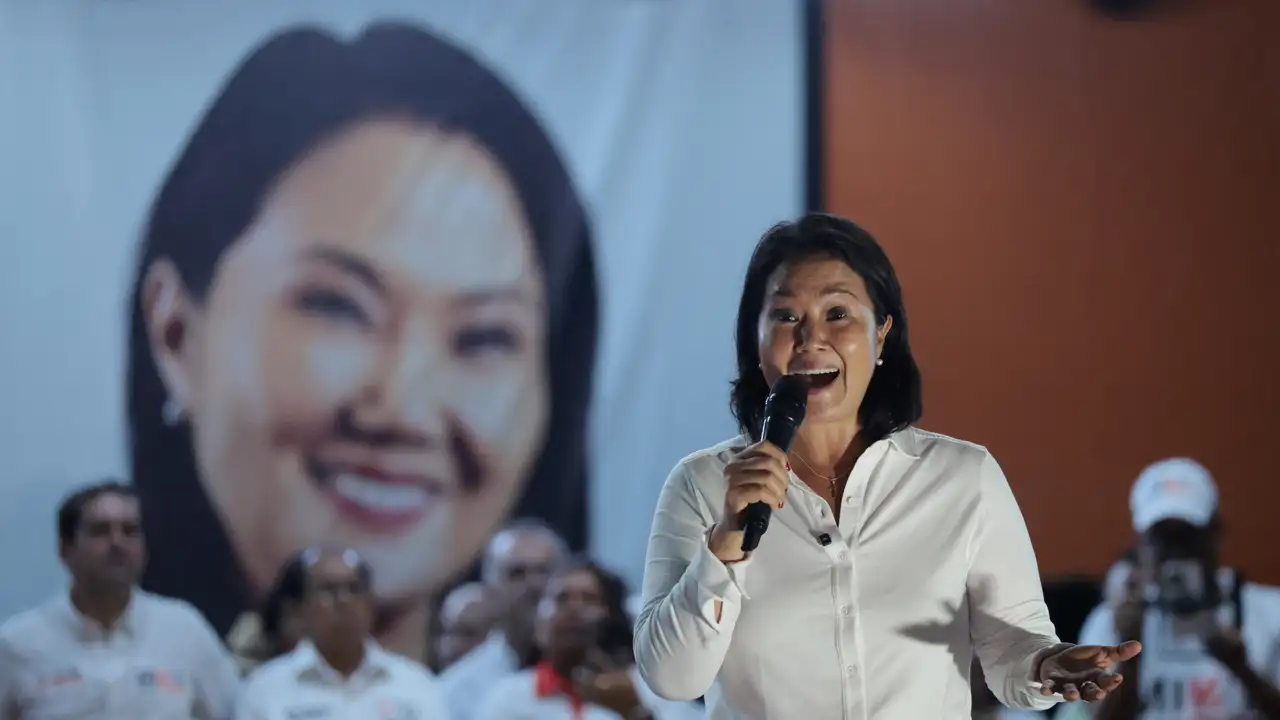
Peru enters a deeply polarised runoff election shaped by anti-vote sentiment
Peru is heading toward a runoff election marked by strong political polarisation and what analysts describe as a persistent “anti-vote” dynamic, where many voters are motivated more by opposition to candidates than genuine support for them. The runoff environment reflects years of political instability, institutional distrust, and public frustration that have repeatedly reshaped Peruvian politics. Analysts note that the current campaign atmosphere differs from the highly confrontational 2021 election cycle, although divisions remain severe across ideological, regional, and socioeconomic lines. Political analyst Román Cendoya stated that candidate Keiko Fujimori has managed to reduce some of the anti-vote sentiment that strongly affected her previous campaigns. According to Cendoya, the political climate “no longer resembles 2021”, suggesting a shift in voter behaviour and campaign dynamics. Even so, the election continues to expose deep tensions within Peruvian society, particularly over governance, corruption, economic inequality, and political legitimacy.
Social Front launches ‘Dialogues for Peru’ initiative ahead of elections
The Peru Social Front has launched a new initiative titled “Dialogues for Peru”, aimed at unifying social demands and building consensus ahead of the country’s upcoming elections. The initiative reflects growing concern that Peru’s fragmented political landscape is leaving large sectors of society disconnected from national decision-making. Organisers argue that social movements, labour groups, and community organisations must coordinate more effectively to ensure that public concerns are not overshadowed by elite political competition. The dialogues are expected to focus on economic inequality, social protection, democratic participation, and regional development. The effort also highlights broader attempts within Peru to reduce political fragmentation and rebuild social trust after years of recurring institutional crises, protests, and leadership instability.
Roberto Sánchez calls for ‘social peace’ and youth unity during election meeting
Peruvian political figure Roberto Sánchez called for unity and “social peace” during a meeting with young people as part of the 2026 election campaign environment. His message reflects wider concerns among political leaders about escalating tensions and political fatigue within the country. Youth engagement has become increasingly important in Peruvian politics, particularly as younger voters express frustration with corruption scandals, unstable governments, and limited economic opportunities. Sánchez’s emphasis on social peace suggests an attempt to position dialogue and stability as central campaign themes at a time when political rhetoric across Latin America has become increasingly confrontational. Calls for unity also underline fears that continued polarisation could deepen social divisions and weaken confidence in democratic institutions.
Government intensifies anti-drug operations with destruction of 11 tons of narcotics
The Peruvian government has strengthened its fight against drug trafficking through the destruction of 11 tons of drugs, underscoring the scale of narcotics activity affecting the country. Peru remains one of the world’s major cocaine-producing countries, making anti-drug enforcement a longstanding national and international security priority. The destruction operation signals continued efforts by authorities to disrupt trafficking networks, reduce organised criminal activity, and strengthen cooperation with international anti-narcotics partners. Drug trafficking continues to affect multiple regions of Peru, particularly rural and border areas where criminal organisations exploit economic vulnerability, weak infrastructure, and difficult terrain. Government anti-drug campaigns are therefore tied not only to policing but also to broader questions of regional development, state presence, and economic alternatives for local communities.
RECOMMENDED FOR YOU
Six countries account for three-quarters of Europe’s unicorn startups
Peru reaffirms commitment to person-centred health reform in Switzerland
Peru has reaffirmed its commitment to person-centred health reform during discussions in Switzerland, signalling continued efforts to improve healthcare delivery and public health policy. The reform approach focuses on strengthening healthcare systems around the needs of individuals and communities rather than relying solely on institution-driven models. Person-centred healthcare has become increasingly prominent globally as governments seek to improve access, equity, prevention, and patient outcomes. Peru’s participation in international health discussions also reflects the growing importance of healthcare reform in Latin America following the pressures exposed by the COVID-19 pandemic. Policymakers across the region continue to face challenges involving unequal healthcare access, underfunded systems, and regional disparities in medical services. The government’s reaffirmation of reform commitments suggests Peru is attempting to position healthcare modernisation as part of a broader national development agenda.
This story is written and edited by the Global South World team, you can contact us here.