Peru Roundup: Presidential campaign funding probe, prison system overhaul, Peru and US deepen military cooperation
Presidential campaign funding probe
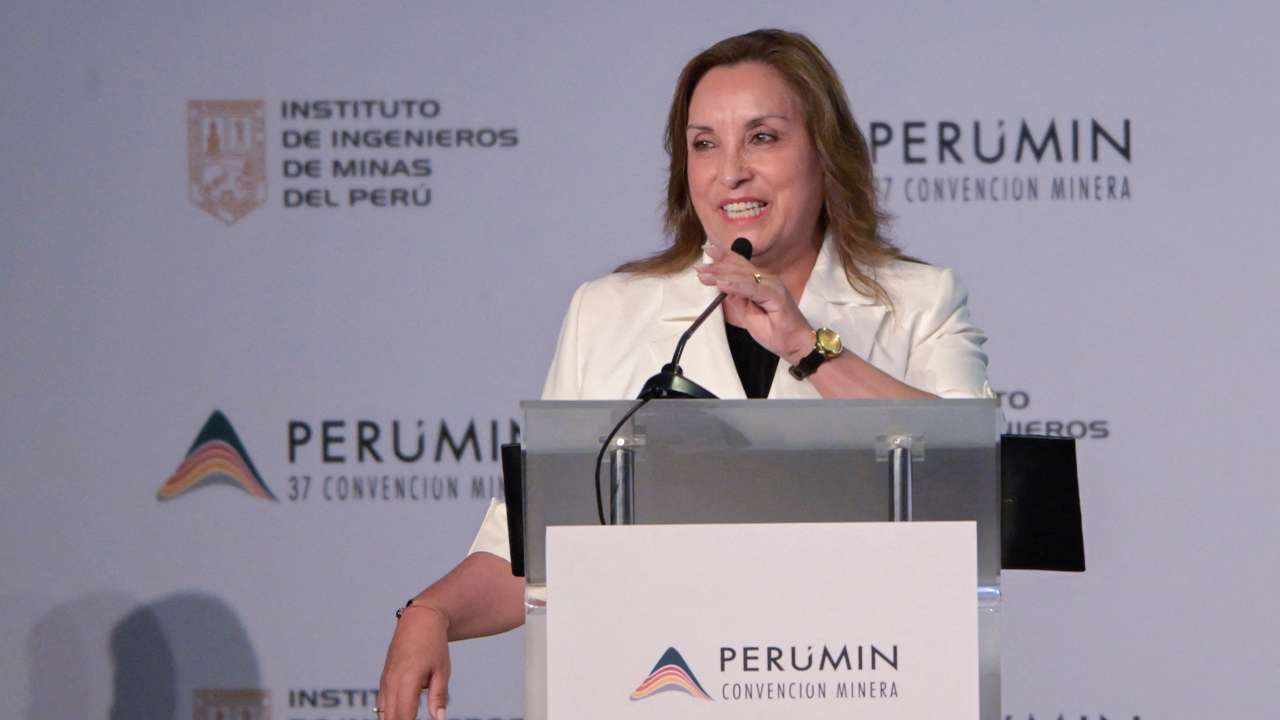
Presidential hopeful Carlos Álvarez warned he could withdraw from the race amid allegations surrounding the misuse of public electoral funds, injecting fresh tension into Peru’s already polarised political climate. His remarks came as scrutiny mounted over how state resources are being distributed to political parties ahead of upcoming elections. The controversy has intensified public debate about transparency and campaign ethics, with rival politicians demanding stricter oversight mechanisms. Analysts say the dispute risks undermining confidence in the electoral process at a time when voter trust in political institutions remains fragile.
Election authority audits party financing
Peru’s electoral authority, ONPE, has launched audits into the use of public campaign funding by ten political parties as preparations for the polls accelerate. Officials said the move aims to ensure legal compliance and prevent irregular spending during the campaign season. The investigation has put several political groups on notice and revived calls for reforms to Peru’s party-financing system. Civil society organisations argue that stronger enforcement will be key to restoring confidence in democratic institutions after years of political turbulence.
RECOMMENDED FOR YOU
Six countries account for three-quarters of Europe’s unicorn startups
Tackling crime
President Jerí Oré held talks with neighbourhood security committees as part of efforts to reinforce local-level crime prevention strategies. The meetings focused on coordination between residents, police forces and municipal authorities in areas struggling with rising insecurity. Government officials said the initiative forms part of a broader push to involve communities directly in public-safety programmes. Critics, however, argue that grassroots cooperation must be matched by deeper institutional reforms and increased resources for law enforcement.
Prison system overhaul
Authorities formally announced a major restructuring of Peru’s penitentiary system with the creation of a new agency, SUNIR, designed to modernise prison management and reduce overcrowding. The reform follows years of concern about deteriorating conditions and the influence of criminal groups inside detention facilities. Officials said SUNIR would improve infrastructure, security controls and rehabilitation programmes for inmates. Opposition lawmakers and human-rights advocates are pressing for details on funding and oversight to ensure the reform delivers meaningful change rather than bureaucratic reshuffling.
Peru and US deepen military cooperation
Peru and the United States agreed to strengthen defence ties after Washington formally designated Lima a NATO global partner, a status aimed at boosting cooperation in training, logistics and security coordination. The announcement signals a closer strategic relationship between the two countries amid shifting regional security dynamics. Government officials described the move as a diplomatic success that could modernise Peru’s armed forces and expand joint operations. Critics, however, have urged caution, warning that deeper military alignment with the US could provoke domestic political backlash or regional sensitivities.
This story is written and edited by the Global South World team, you can contact us here.