Philippine landfill collapse renews scrutiny of overfilled dump sites
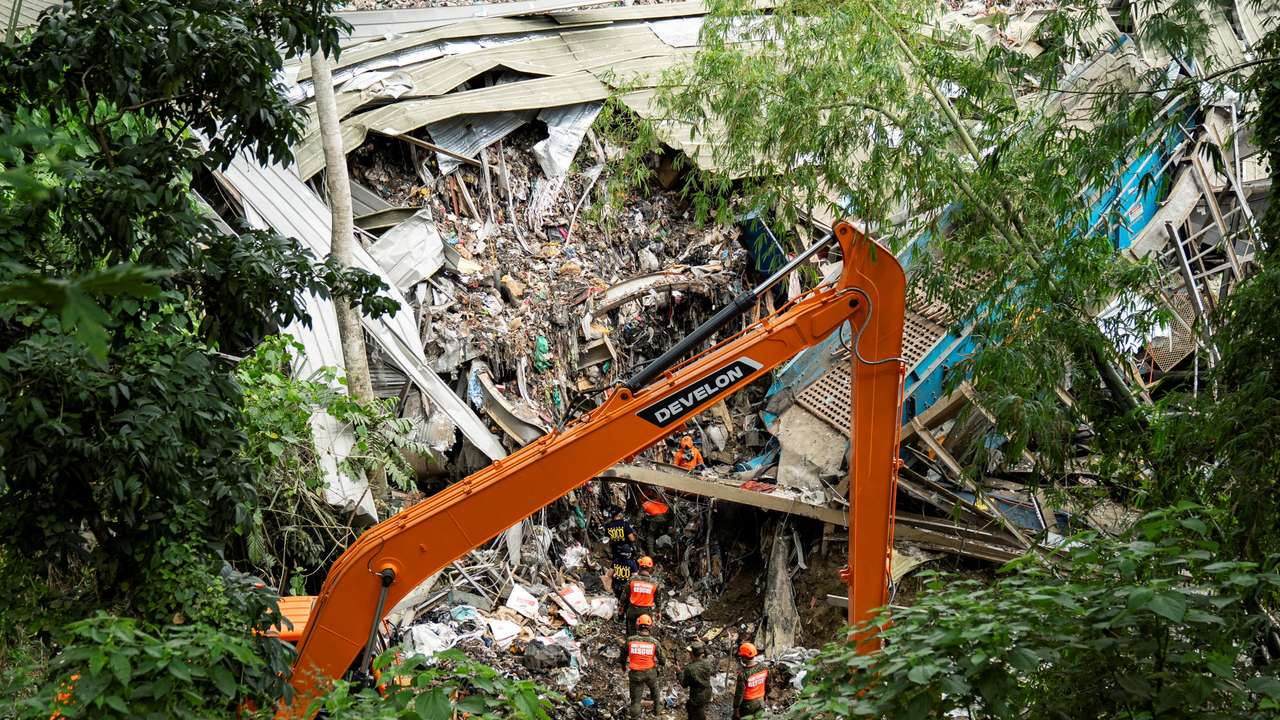
The death toll from a landslide at a landfill in Cebu City in the central Philippines has risen to eight, as rescuers continue searching for dozens of missing workers days after the disaster.
Cebu City Mayor Nestor Archival said on Monday that 28 people remain unaccounted for, while at least 18 others are being treated in hospital. The collapse occurred on Thursday at a waste management facility in Barangay Binaliw.
Rescue teams are still operating under what officials describe as “rescue mode,” after detectors picked up possible signs of life beneath the debris. However, authorities are weighing whether to shift to retrieval operations as the critical 72-hour window has passed.
What happened
An avalanche of garbage, soil and debris swept through part of the landfill, burying low-lying buildings used by workers. Survivors said the collapse happened suddenly, in clear weather, leaving little time to escape.
Those killed and missing were all employees at the landfill and materials recovery facility. Several people were pulled out alive in the hours following the collapse, though one later died in hospital.
RECOMMENDED FOR YOU

Senegal welcomes Youth Olympic flame ahead of Dakar 2026
Officials say the unstable structure of the site is slowing rescue efforts. The mayor warned that cutting through metal debris could trigger fires due to trapped gases, putting both survivors and rescuers at risk.
Operations halted
In response, the Department of Environment and Natural Resources ordered the immediate suspension of landfill operations. The cease-and-desist order allows rescue, retrieval and clean-up work to continue but bars further waste dumping.
The landfill operator has also been summoned to a technical conference and ordered to submit a compliance plan within 90 days, as authorities investigate whether safety and environmental standards were breached.
A wider problem
The Cebu disaster has renewed scrutiny of the Philippines’ overstretched landfill system. Government data show that four out of 18 major landfills nationwide have already exceeded their designed capacity, raising the risk of so-called “waste slides.”
Environmental experts warn that continuing to dump rubbish into already overfilled sites increases the likelihood of collapses, especially as waste piles grow taller and heavier.
The problem persists despite a landmark law passed after a deadly 2000 dump collapse in Manila, which mandated the closure of open dumps and the use of sanitary landfills. More than two decades on, auditors say the number of compliant facilities remains insufficient.
Rising waste
The Philippines’ annual waste output continues to rise sharply. From around 9 million tonnes in 2000, it is projected to exceed 23 million tonnes within the next few years, according to government estimates.
Auditors have warned that unless waste generation is reduced and landfill capacity expanded safely, disasters like the one in Cebu could become more frequent — posing growing risks to public health, workers and surrounding communities.
RECOMMENDED FOR YOU
Ghana and Burkina Faso strengthen security along key trade routes
This story is written and edited by the Global South World team, you can contact us here.