Politics is less dominated by major cities than you might think
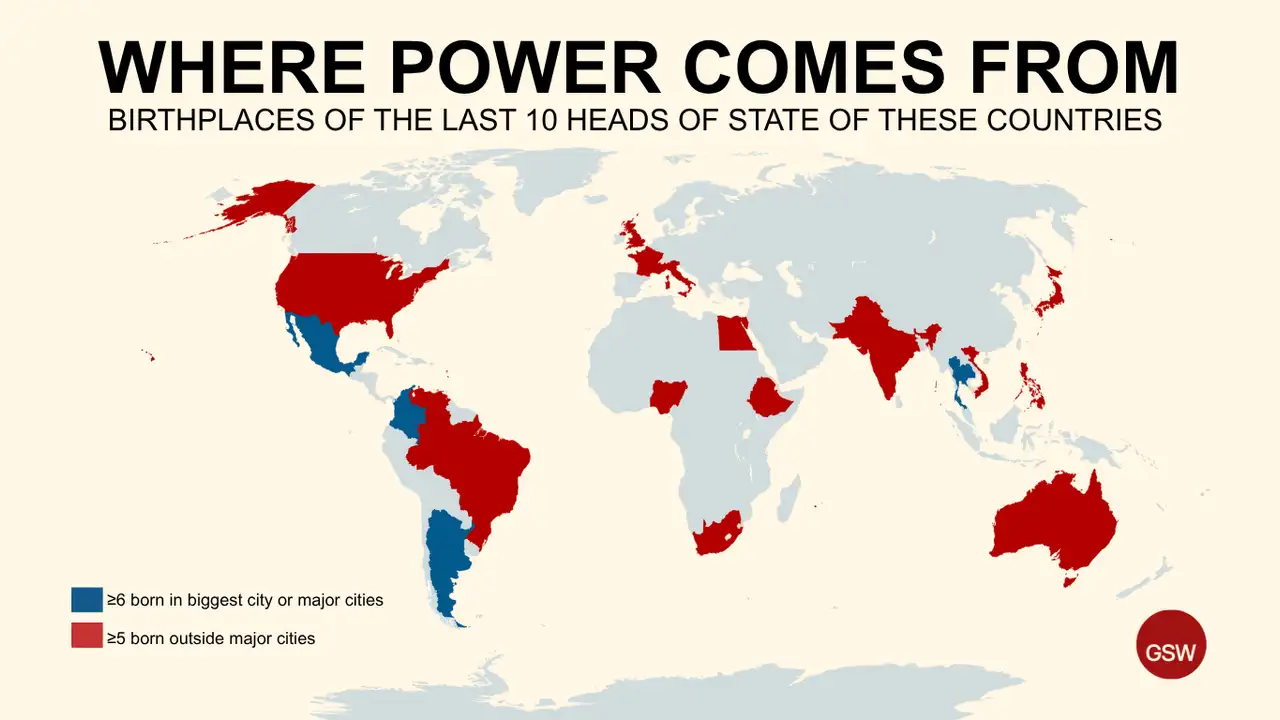
For decades, politics has been painted as an elite game played and controlled by those born in capital cities and major urban centres. The assumption is that power belongs to those raised closest to major cities.
But a closer look at where leaders actually come from tells a different story. Across 20 countries spanning Latin America, Africa, Asia, and the West, a geographic mapping of the birthplaces of recent heads of state reveals that the assumption is not accurate.
Where are the leaders from?
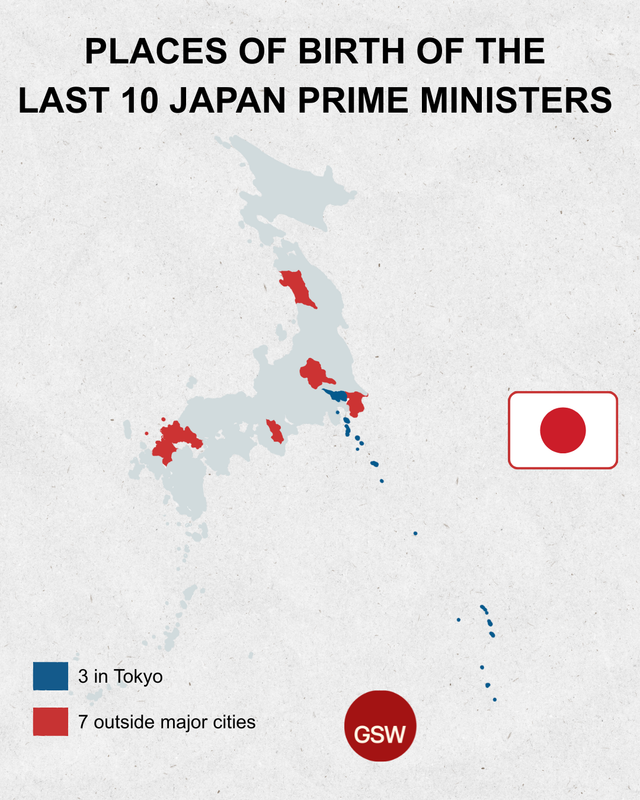
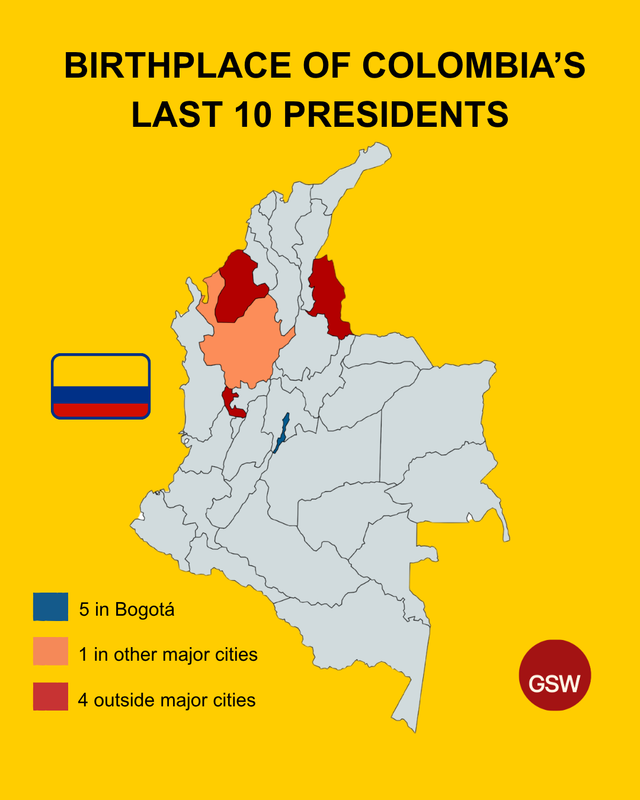
Using data from the last ten heads of state (or equivalent leaders) in Argentina, Mexico, Brazil, Colombia, Venezuela, Nigeria, Ethiopia, Egypt, South Africa, India, Pakistan, the Philippines, Vietnam, Thailand, UK, France, Italy, USA, Japan, and Australia, Global South World categorised their birthplaces into three groups: biggest city, top three major cities; and outside the top three major cities.
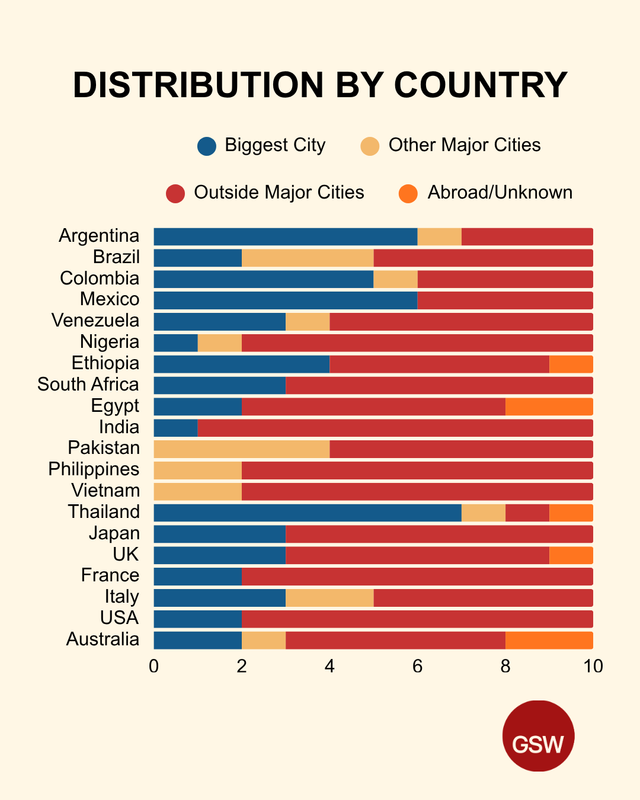
Across the dataset, one pattern that stands out is that leaders are more likely to be born outside major urban centres than within them.
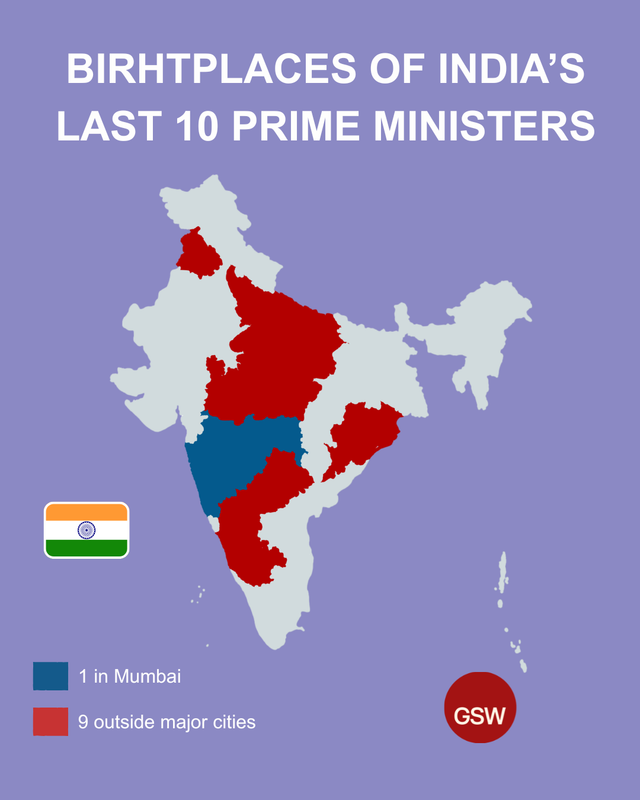
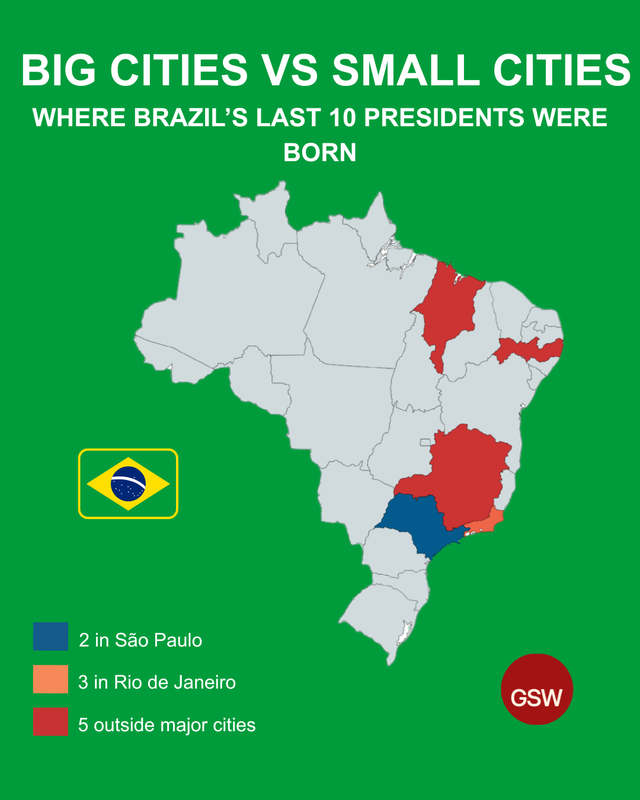
Countries such as Brazil, Nigeria, India, Tanzania, and the United States show strong decentralisation, with a majority of leaders originating from smaller cities, towns, or rural regions.
RECOMMENDED FOR YOU

Ugandan queen mother claims house arrest amid Tooro succession dispute
Which leaders are from outside major cities
Nigeria and India show particularly strong patterns, with most leaders born outside the major cities. In Brazil and Australia, leadership emerges from diverse regional bases rather than a single dominant city. The United States, often seen as a hub of elite politics, has presidents born across many different states, far from Washington, D.C.
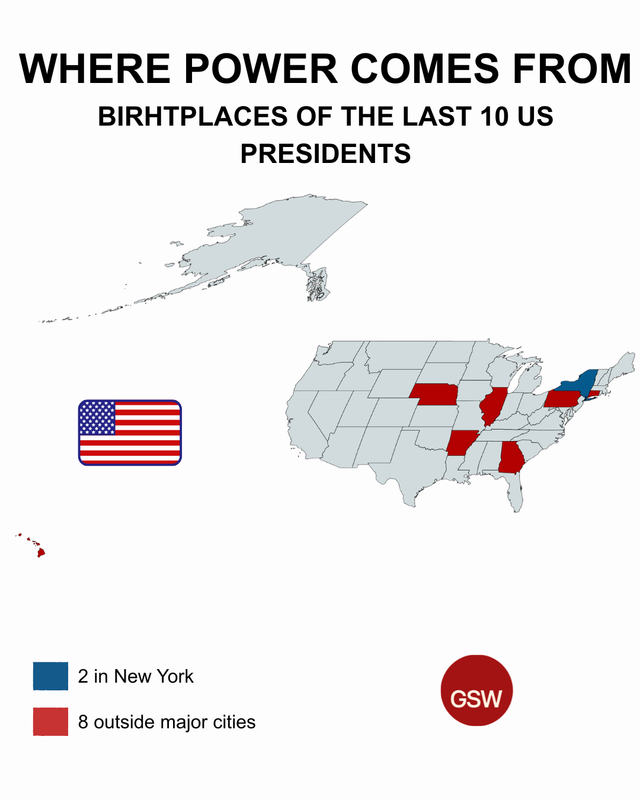
This suggests that political legitimacy is often built at the grassroots level, with leaders rising through regional structures before entering national politics.
Which leaders are from capital cities
While decentralisation is common, some countries remain heavily capital-centric. Argentina shows a strong concentration around Buenos Aires, reflecting its highly centralised administrative and educational systems.
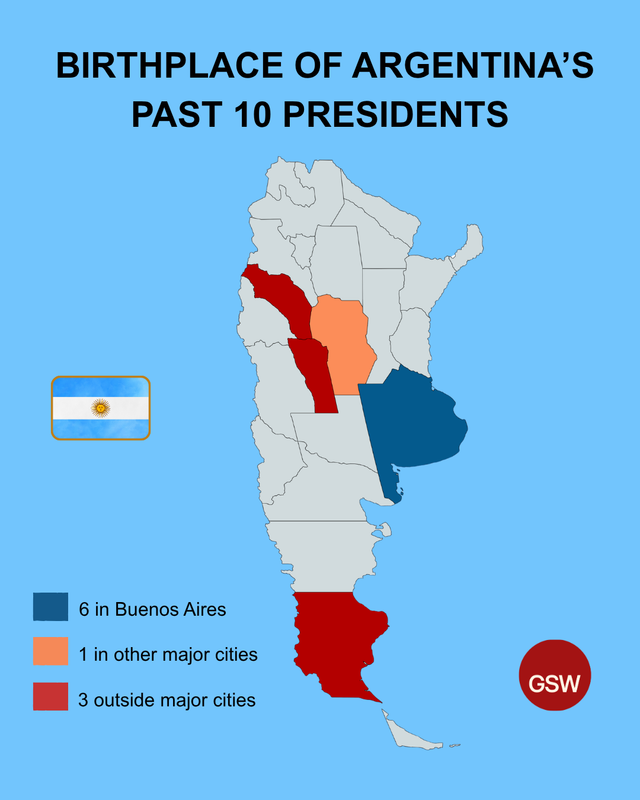
Mexico exhibits similar patterns, with Mexico City playing an outsized role in political leadership. In Thailand, Bangkok remains the dominant political and elite hub.
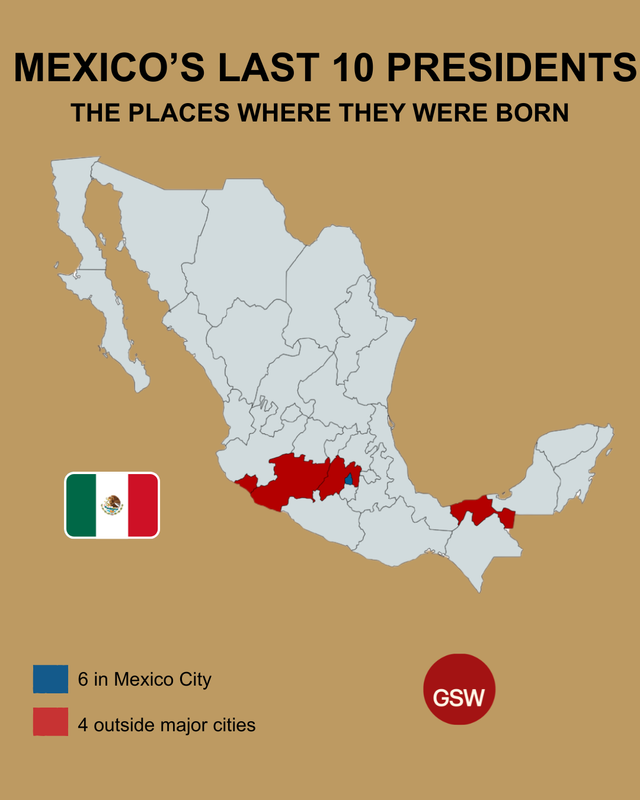
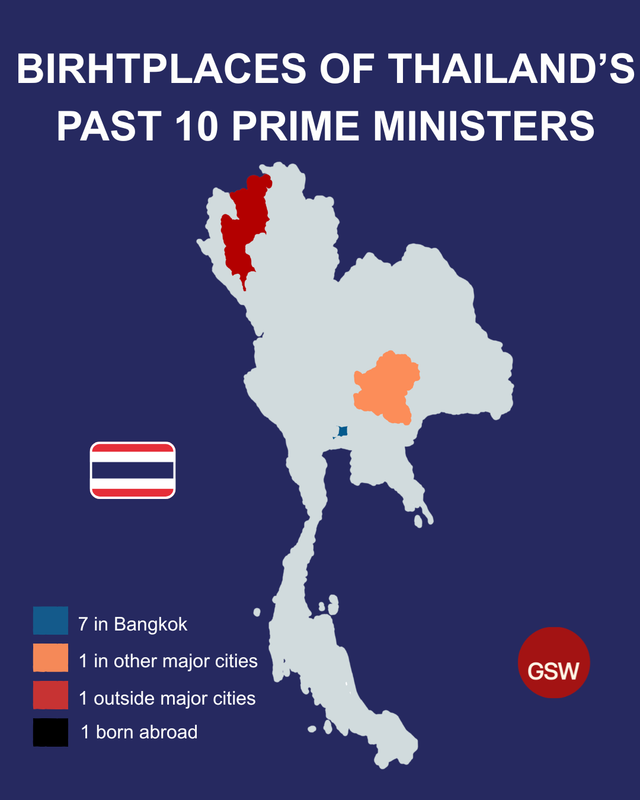
These systems often feature centralised bureaucracies, elite educational institutions clustered in capitals, and political networks that are difficult to access from outside
Federal systems contributing to geographic diversity
One of the clearest drivers of geographic diversity in leadership is the structure of the state itself. Federal or highly decentralised systems such as those in India, Brazil and the United States consistently produce leaders from a wide range of regions.
This is because political careers in these countries are often built locally, such as governors, regional leaders, and state officials rising through subnational systems. Also, national leadership becomes the culmination of regional influence, not just central access
Africa’s distinct pattern
African countries in the dataset, particularly Nigeria, Egypt, and South Africa, stand out for their highly decentralised leadership origins.
RECOMMENDED FOR YOU
LIVE: Polls close as Zambia awaits election results
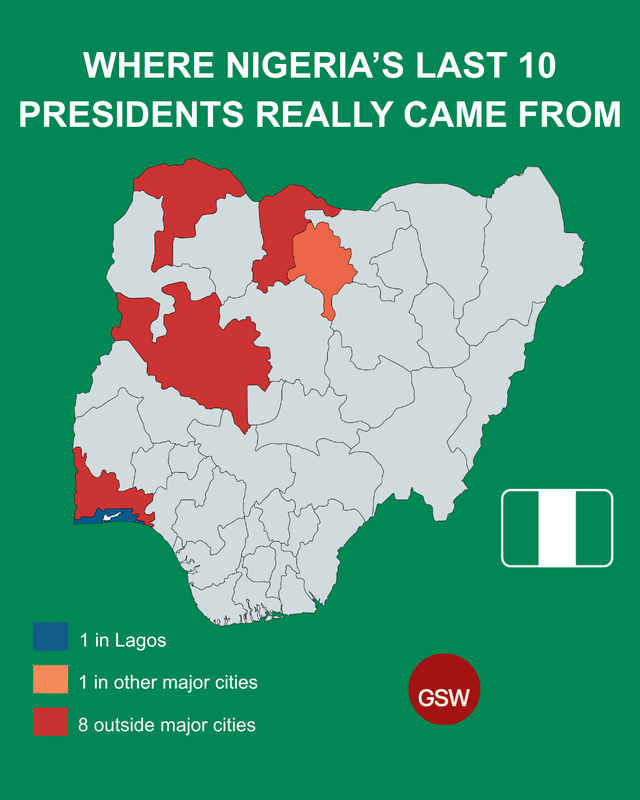
This reflects several dynamics like the need for ethnic and regional balance, strong rural political mobilisation and historical scepticism toward capital-based elites
In many cases, being from outside the capital or a major city is not a disadvantage but a political asset.
This story is written and edited by the Global South World team, you can contact us here.