Ramadan bazaars to proceed in Malaysia despite rise in tuberculosis cases
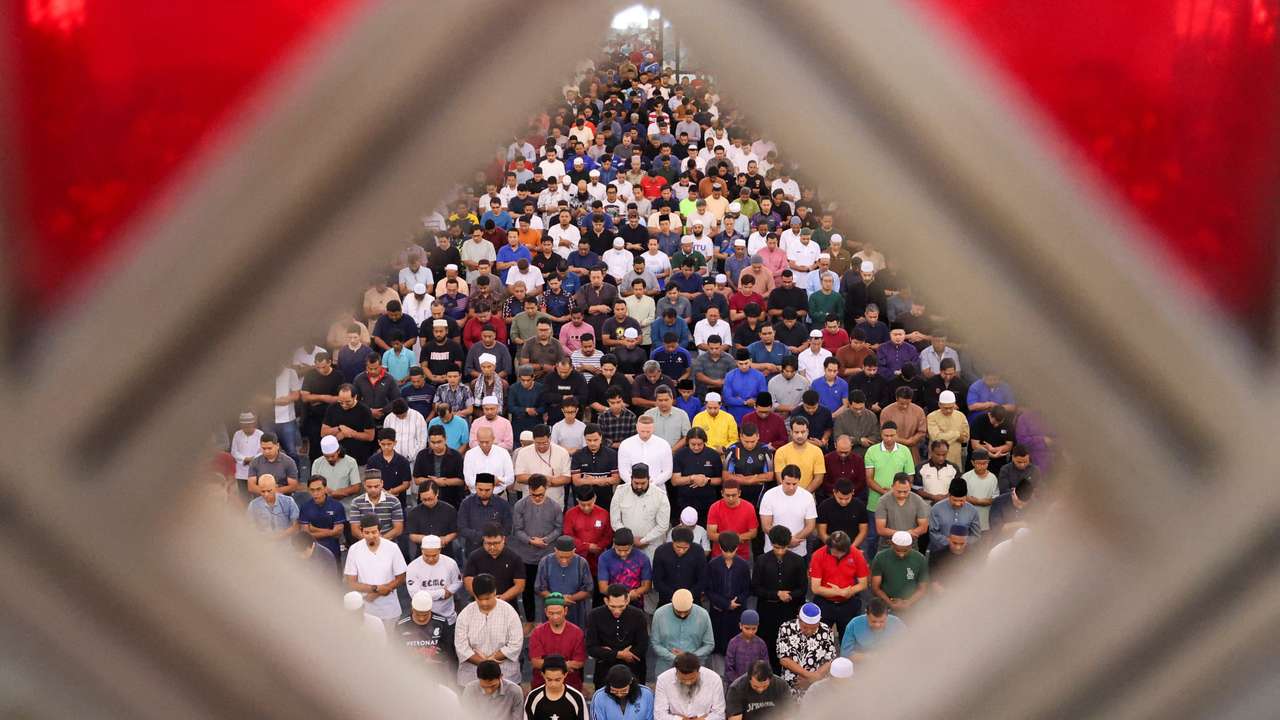
Ramadan bazaars in Malaysia’s southern state of Johor will proceed without additional health restrictions despite a rise in tuberculosis (TB) cases nationwide, state officials said.
Johor’s health and environment committee chairman Ling Tian Soon said standard operating procedures for the popular open-air markets would remain unchanged. Face masks will not be made mandatory for traders or food handlers.
However, vendors must receive typhoid vaccinations and complete food-handling courses before being allowed to operate. The state health department will also monitor bazaars to ensure hygiene and food safety rules are followed.
This decision comes as the health ministry recorded 596 new TB cases during Epidemiological Week Six of 2026, bringing the cumulative total this year to 3,161 cases.
Johor has reported 280 cases so far. Sabah recorded the highest number at 755, followed by Selangor with 596 and Sarawak with 332.
RECOMMENDED FOR YOU
Six countries account for three-quarters of Europe’s unicorn startups
Why these bazaars are important in Malaysia
Malaysia is a Muslim-majority country, and Ramadan bazaars are a central feature of the fasting month, drawing large evening crowds buying food for iftar, the meal that breaks the fast at sunset.
According to the 2020 national census, 63.5% of Malaysia’s population practices Islam, making Ramadan a major period of heightened social and commercial activity.
The health ministry said it had no plans to reintroduce mandatory mask rules similar to those imposed during the Covid-19 pandemic. Instead, it is encouraging personal responsibility.
While Malaysia has transitioned to the endemic phase of Covid-19, officials warned that respiratory infections — including TB — can spread more easily in crowded or poorly ventilated spaces, particularly if an individual with untreated active TB is present.
Again, the ministry stressed that Ramadan itself does not cause disease transmission, but increased social interaction may raise exposure risks. It advised the public to wear masks if experiencing symptoms such as cough or fever.
Health minister Dzulkefly Ahmad previously said that 85% of TB cases involve Malaysian citizens, with 15% linked to foreigners.
This story is written and edited by the Global South World team, you can contact us here.