Record candidates and rising uncertainty mark Peru’s 2026 election
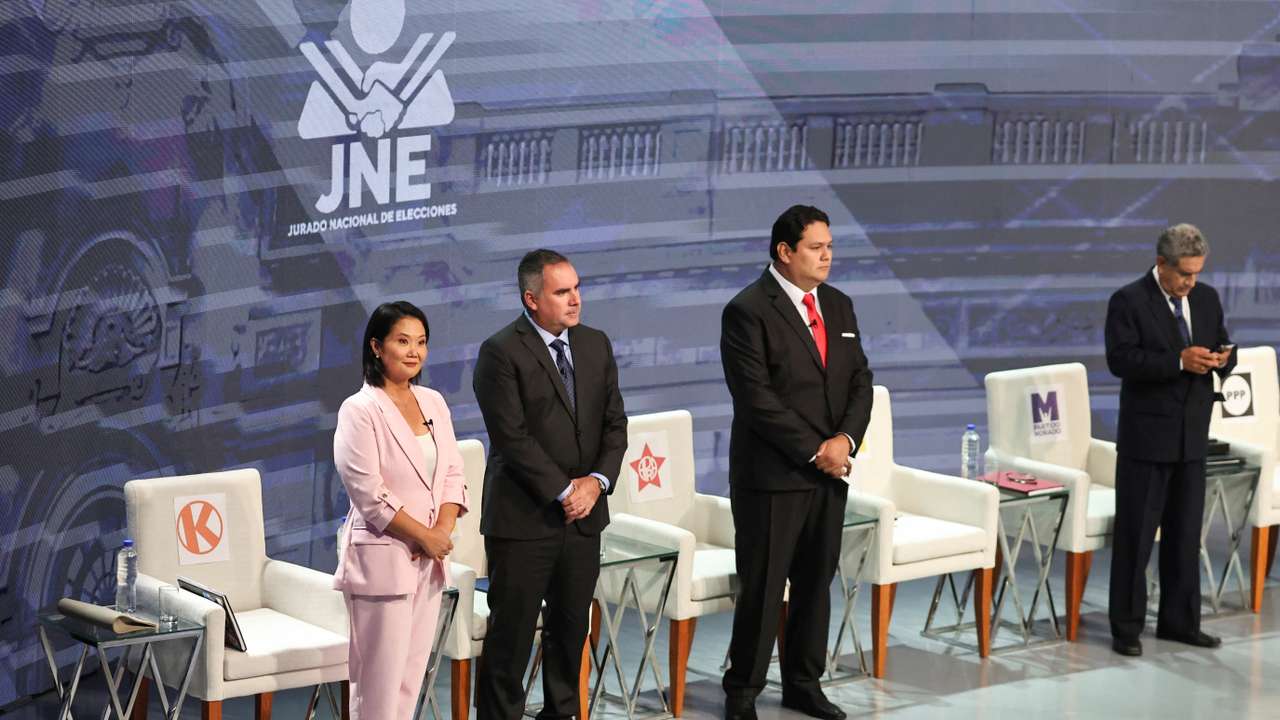
Peru is heading towards its 2026 presidential elections amid a prolonged political crisis that shows little sign of easing.
Over recent years, the country has experienced constant leadership changes, with several presidents removed from office before completing their terms. This instability has weakened public confidence in political institutions and created an atmosphere of uncertainty as voters prepare to return to the polls.
The upcoming election stands out for the unusually high number of candidates. More than thirty contenders have registered to run, making it one of the most crowded presidential races in the country’s history. This reflects a highly fragmented political landscape, where parties are divided, and new political movements continue to emerge without clear dominance.
For many voters, the wide range of options has not necessarily translated into enthusiasm. Instead, it has contributed to confusion and scepticism, with a large portion of the electorate still undecided. Analysts suggest that this reflects a broader sense of disillusionment, as citizens struggle to identify candidates who can effectively address the country’s ongoing challenges.
The campaign itself has been marked by a limited focus on detailed policy proposals. While candidates have put forward a variety of ideas, critics argue that there has been little in-depth debate on key issues such as public security, corruption, and economic inequality. As a result, the election has often been characterised more by personalities than by clear political programmes.
RECOMMENDED FOR YOU
Six countries account for three-quarters of Europe’s unicorn startups
Despite the political turmoil, Peru’s economy has remained relatively stable compared to other countries in the region. However, experts warn that continued instability could eventually affect investor confidence and economic performance, especially if the next government struggles to maintain consistent policies.
With no clear frontrunner likely to secure an outright majority, a second-round runoff appears almost certain. This means that alliances and voter mobilisation will play a crucial role in determining the final outcome. As election day approaches, Peru faces a critical moment that could either stabilise its political system or prolong a cycle of uncertainty.
This story is written and edited by the Global South World team, you can contact us here.