Remembering Hiroshima and Nagasaki: How two atomic bomb missions changed the world
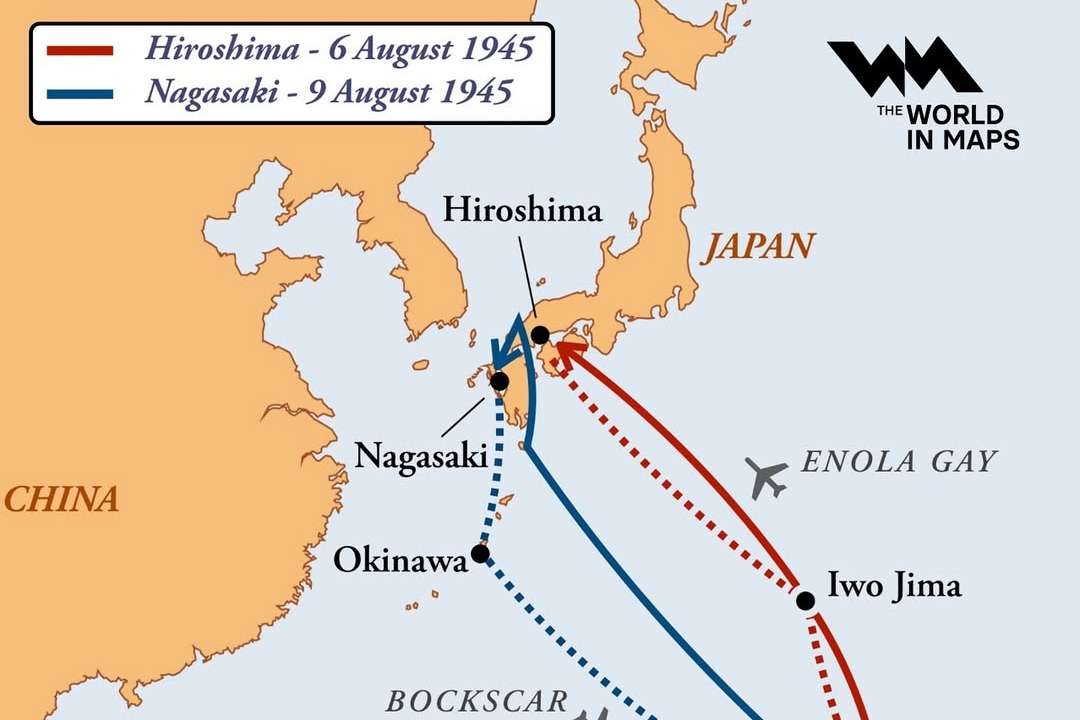
In August 1945, two U.S. B‑29 bombers took off from the tiny Pacific island of Tinian and forever altered the course of history.
On August 6, the Enola Gay dropped a uranium bomb dubbed “Little Boy” on Hiroshima; three days later, Bockscar carried a plutonium weapon nicknamed “Fat Man” to Nagasaki. These were the first and so far only nuclear weapons used in war, and they killed tens of thousands of people instantly while ushering in the nuclear age.
According to the Atomic Heritage Foundation, Little Boy was a gun‑type device that used highly enriched uranium and weighed about 9,700 pounds. It was ten feet long and delivered an explosive force equivalent to 15,000 tons of TNT.
The bomb was dropped over Hiroshima at 8:15 a.m. on August 6, 1945, by the B‑29 Enola Gay, piloted by Col. Paul Tibbets. The immediate blast and firestorm levelled much of the city.
A summary from History.com notes that the explosion instantly killed an estimated 80,000 people, and tens of thousands more later died from radiation exposure. Three‑quarters of the buildings in Hiroshima were destroyed. It was the first time a nuclear weapon had been used in combat, and Japan’s leaders were stunned by its destructive power.
The second mission almost targeted the city of Kokura, but heavy cloud cover forced the crew to divert to Nagasaki. Fat Man, the plutonium implosion‑type bomb, was larger and more complex than Little Boy. The Atomic Heritage Foundation lists its weight at 10,800 pounds, with a 10-foot-8-inch length and a 60‑inch diameter.
Its plutonium core weighed roughly 13.6 pounds, was surrounded by 5,300 pounds of high explosives, and delivered a blast equivalent to 21,000 tons of TNT. On August 9, 1945, Bockscar—piloted by Maj. Charles Sweeney with Cdr. Frederick Ashworth as weaponeer—dropped Fat Man on Nagasaki.
The devastation was again horrific. History.com estimates that about 40,000 people died immediately, and many more succumbed to injuries and radiation in the following months. Combined, the bombings obliterated two cities and left survivors with severe burns, radiation sickness and long‑term health problems. The National Archives describes them as “the first instances of atomic bombs used against humans,” killing tens of thousands and contributing to the end of World War II.
U.S. leaders at the time argued that deploying atomic bombs would compel Japan’s surrender and avert a costly invasion. The National Security Archive notes that many in Washington hailed the bombings for bringing the Pacific war to a rapid close and saving American lives.
Yet historians and ethicists have since challenged that interpretation. The same National Security Archive commentary stresses that Hiroshima and Nagasaki remain emblematic of the dangers and human costs of nuclear warfare. The bombings triggered moral debates about targeting civilians and helped launch a nuclear arms race.
Japan’s Emperor Hirohito, citing the power of “a new and most cruel bomb,” announced his country’s unconditional surrender on August 15, 1945history.com. The formal surrender aboard the USS Missouri on September 2 ended World War II.
Documents preserved by the National Archives trace the development of the Manhattan Project, the decision to use the bombs and their aftermath, highlighting how these events continue to shape international relations.
This story is written and edited by the Global South World team, you can contact us here.