Reopening of Burundi-DRC border is a relief for traders, but uncertainty still looms in the Great Lakes region — Opinion
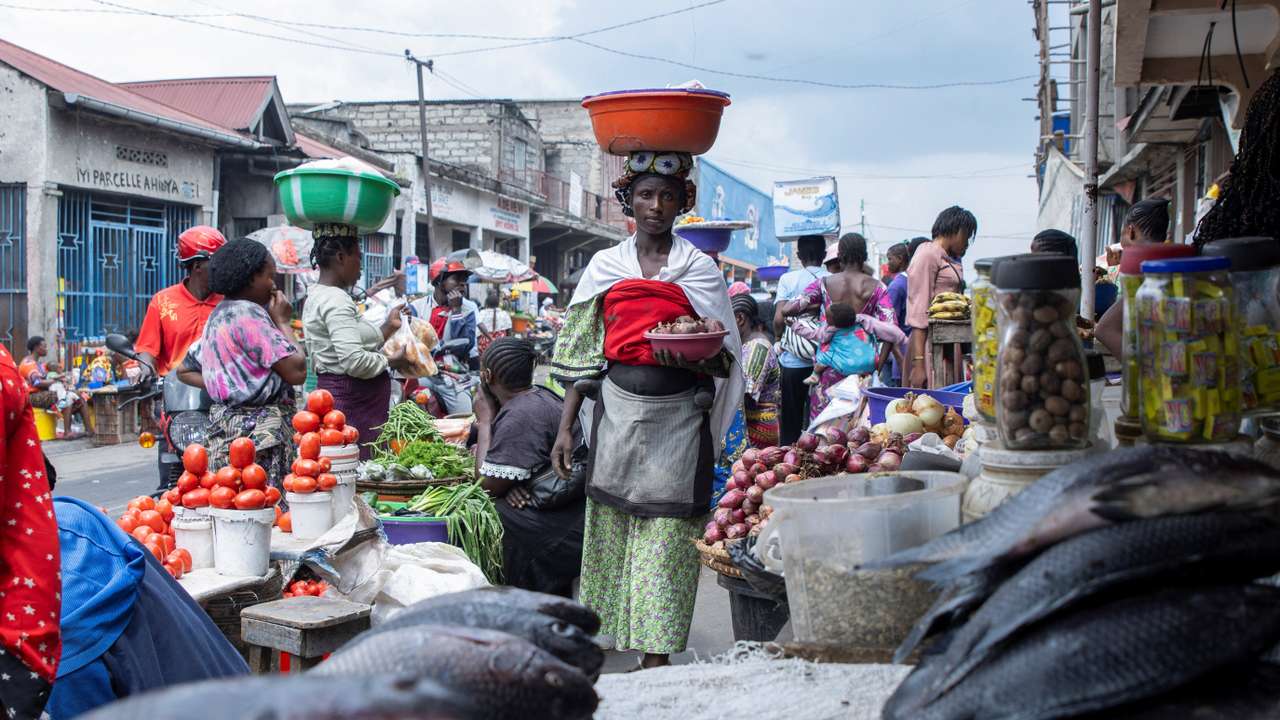
On February 23rd, Burundi reopened Kavimvira, a key border linking the Eastern Democratic Republic of Congo and Burundi, after a two-month blockade.
The 243 km border along the Rusizi River and Lake Tanganyika was closed in December 2025 after Uvira, a key trading town in eastern DRC, was captured by the Rwanda-backed M23 rebels.
The border reopening followed the withdrawal of M23 from Uvira in January, at the request of the United States, which sought to consolidate the truce achieved through a Trump-brokered agreement between Rwanda’s Paul Kagame and DRC’s Felix Tshisekedi in Washington in December 2025.
The border closure restricted the movement of people and goods between the two countries, impeding trade and undermining the East African Community’s common market and custom union arrangements that are intended to eliminate trade barriers between the members of the regional bloc.
“When the border was closed, business declined. Without Congolese customers, movement decreased and so did our income,” remarks a Burundian market vendor, who emphasises that the substantial reduction in the number of Congolese customers who would purchase their products in large amounts to resell in their country, strained their small businesses.
RECOMMENDED FOR YOU
Six countries account for three-quarters of Europe’s unicorn startups
The reopening is expected to boost cross-border trade, increasing Burundi’s and the DRC’s exports. During the two-month closure, there were shortages of consumer goods and a rise in prices, which constrained the livelihood of people, especially those living around the border towns of Uvira and Gutamba.
“The reopening of the border is a great joy for us and for all the residents of Uvira. Even in Gatumba, there is celebration. Motorcycles and bicycles are moving. I even saw students leaving their schools to come celebrate at the border,” notes another trader.
As of 2023, over 80% of Burundi’s exports were destined for DRC, a significant portion of which went through the Kavimvira border post. However, the rising insecurity worsened the humanitarian situation, significantly reducing trade flow and dampening the economic prospects of both nations.
This was not the first time Burundi had closed a border due to insecurity. In 2024, the East African nation claimed that its neighbour, Rwanda, was hosting and training the Red Tabara, an anti-regime rebel outfit that Bujumbura attributed to an attack that claimed 20 lives in December 2023. This culminated in the closure of the border between the two countries. The action significantly jeopardised the flow of goods and people, hindering economic activities, mostly along the borderlands.
There are some doubts as to whether the M23 withdrawal from Uvira will be sustained, considering the recent escalation. On Tuesday, the military spokesperson of the rebel group, Willy Ngoma, was killed in a drone strike near Rubaya, North Kivu province. This has heightened tensions with a possibility of fresh confrontation between the Rwanda-backed rebels and the Congolese army.
The frequent conflicts in the Great Lakes region highlight the need for regional blocs, particularly the EAC and the Southern African Development Community, to strengthen their conflict management mechanisms to prevent or mitigate cross-border disputes before they spiral.
The opinions and thoughts expressed in this article reflect only the author's views.
RECOMMENDED FOR YOU
Tunisia Roundup: Drug cases triple, 10,000 students face housing squeeze and businesses target African expansion
