Russia's diplomatic gambit: Shaping global influence and alliances in a Post-Ukraine War World
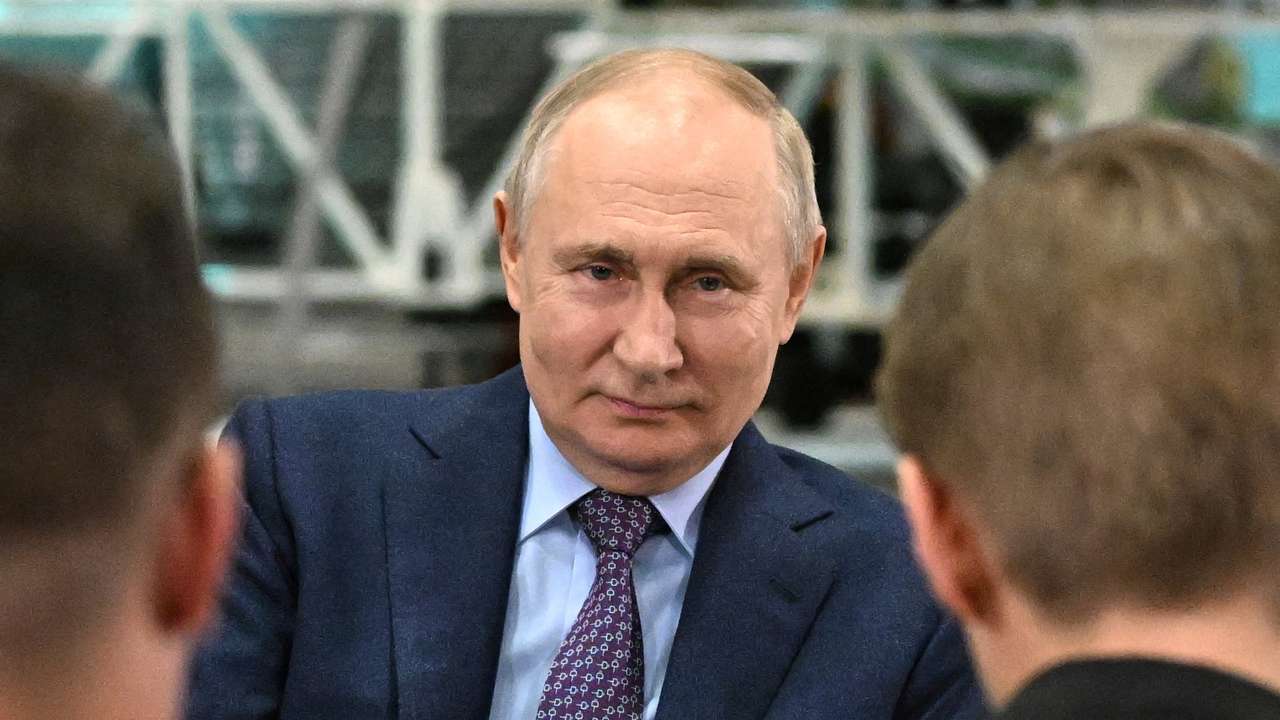
In the wake of the Ukraine war, Russia has been making significant diplomatic inroads into Africa and Latin America, a strategic move aimed at bolstering its global influence.
Expert economist Jose Caballero, in a report published in The Conversation, highlights that as the Ukrainian war rages on, Russia is strategically working to gain influential support for its position in the conflict. It asserts itself as a counterforce against the West's power and neo-colonialism, attracting some supporters to its cause. This is a manifestation of the "return of the global Russia," employing economic and political influence alongside digital disinformation techniques.
Russia's expansion of influence in Africa, previously considered opportunistic, has taken on a more strategic dimension during the Ukraine war. Evidence suggests that its influence in several African nations is deepening, as indicated during the recent BRICS conference attended by leaders from Russia, China, Brazil, India, and South Africa.
Russia presents itself as an "anti-colonial" agent, especially in Africa. Caballero discusses the concept of "memory diplomacy," invoking Russia's role in defeating fascism during World War II and its historical solidarity with anti-colonial struggles. This nostalgia plays a role in shaping Russia's position in the Ukraine war, as he indicated.
In response to Russia's diplomatic efforts, Ukraine has expanded its embassies in Africa and shifted its foreign policy focus to the global south. It perceives Russia as a counterbalance to the West, particularly the United States. Caballero suggests that Ukraine can build stronger ties with BRICS countries by addressing shared problems caused by Russia's actions.
RECOMMENDED FOR YOU
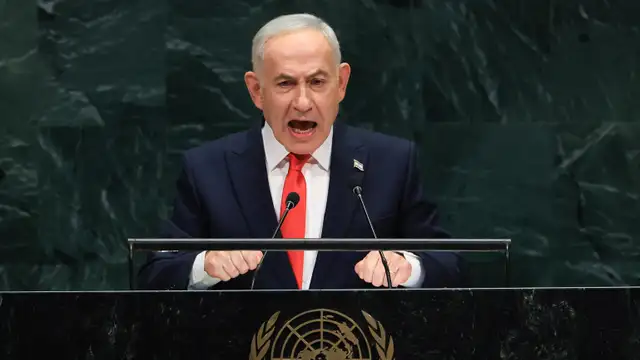
‘Iran could destroy us’ - Netanyahu warns of nuclear threat ahead of Israel election
Ukraine's proposal to establish new grain hubs for crop storage is significant, particularly considering Russia's restrictions on Ukrainian grain exports. According to the report published in The Conversation, this could mitigate potential food shortages across Africa. Ukraine can also tap into the shared experiences of victimhood in its national struggle and those of the global south's anti-colonial history, fostering common "memories," as suggested by Caballero.