Sade and Fela Kuti enter Rock and Roll Hall of Fame, cement African music’s global influence
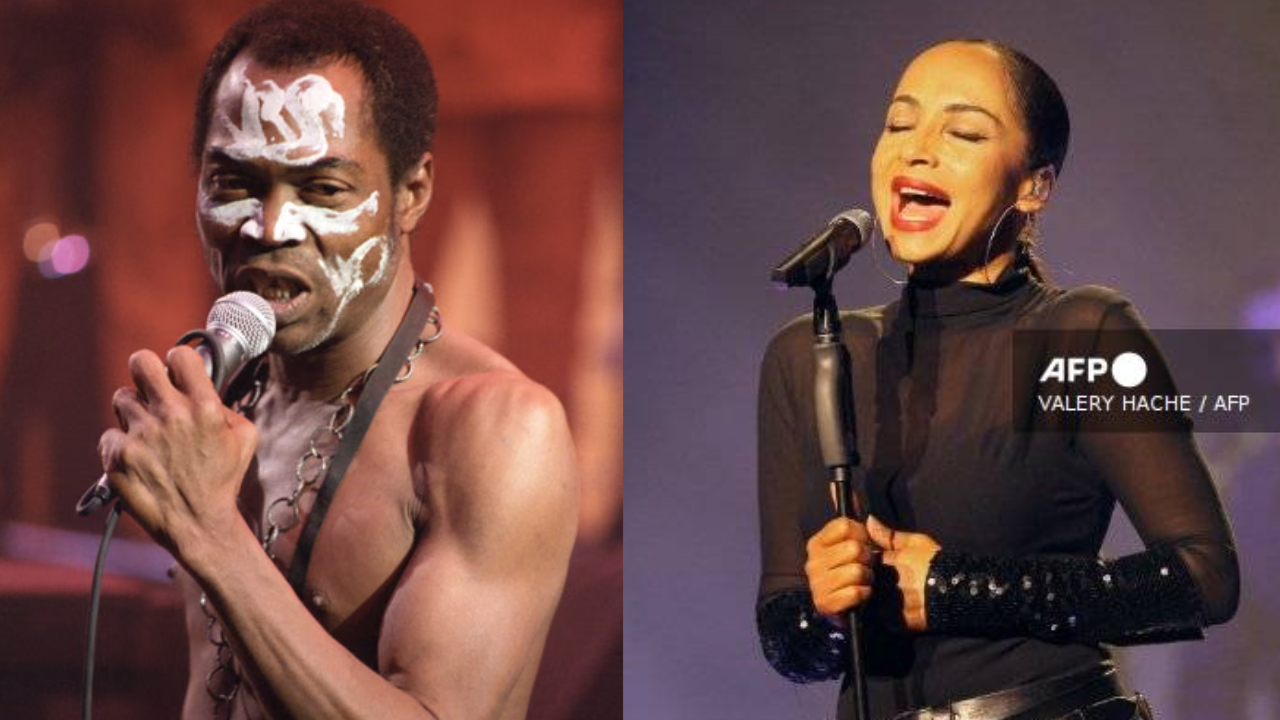
After several years of advocacy for the global representation of African music, Sade Adu and Fela Anikulapo Kuti, two African giants whose influence has shaped global music for decades, will finally be enshrined in the Rock & Roll Hall of Fame.
Sade Adu is being inducted into the Performer Category, which honours artists whose recordings and careers have directly shaped the course of popular music.
Fela Kuti, meanwhile, is receiving the Early Influence Award, a distinction reserved for pioneers whose sound and ideas laid the groundwork for entire genres and movements.
In short, Sade is recognised for her body of work as a recording artist, while Fela is honoured for creating a musical blueprint (Afrobeats) that others have built on.
The induction ceremony will take place on November 14, 2026, at the Peacock Theatre in Los Angeles, with global broadcasts on ABC and Disney+.
RECOMMENDED FOR YOU

Can Indonesia be Asia’s next EV powerhouse?
Alongside names like Phil Collins, Oasis, Wu-Tang Clan, and Luther Vandross, the inclusion of Sade and Fela signals a shift in perspective.
Sade Adu
Born Helen Folasade Adu in Ibadan, Nigeria, in 1959, Sade’s life has always sat between worlds. She moved to the UK as a child, grew up in Essex, and later immersed herself in London’s creative scene. Fashion student, model, backup singer, but none of it quite fit until she formed Sade, the band that would carry her name and define a sound.
What sets her apart is control. Her voice doesn’t reach for drama; it pulls you in quietly. That restraint became her signature.
Her debut album, Diamond Life (1984), introduced a new kind of pop sophistication. Smooth Operator and Your Love Is King weren’t loud statements but were precise, polished, and emotionally contained. Follow-up projects like Promise, Stronger Than Pride and The Sweetest Taboo doubled down on that formula, blending jazz, soul, and minimalism into her own touch.
As a Grammy-winning artist with global sales in the tens of millions, Sade’s influence runs deep.
Her induction in the Performer Category recognises a career built not on volume, but precision, by refining how emotion is delivered in sound.
Fela Kuti
Where Sade is measured, Fela Kuti was uncompromising.
Born in 1938 in Abeokuta, Nigeria, into a politically active family, Fela inherited a strong sense of resistance early on. His mother was a leading anti-colonial activist, and that spirit carried directly into his work.
RECOMMENDED FOR YOU

‘Who will take responsibility?’ - October 7 families confront Netanyahu on Israel election day
After studying music in London and later encountering the Black Power movement in the US, Fela returned to Nigeria with a clear direction. The result was Afrobeat, a genre he didn’t just pioneer, but fully engineered.
Afrobeat fused jazz, funk, highlife, and traditional West African rhythms into long, groove-driven compositions layered with horns, percussion, and politically charged lyrics. Songs like Zombie and Sorrow, Tears and Blood weren’t just records, but confrontations with authority.
He built the Kalakuta Republic, a commune that doubled as a creative and political base. The Nigerian government responded with force. Raids, arrests, violence, yet Fela absorbed it all and kept recording.
His music wasn’t escapism. It was resistance.
Receiving the Early Influence Award, Fela’s impact is now formally acknowledged at a global level. His legacy runs through modern African stars like Wizkid and Burna Boy.
This story is written and edited by the Global South World team, you can contact us here.