Seething Pakistan-Afghanistan tensions erupt into ‘open war’
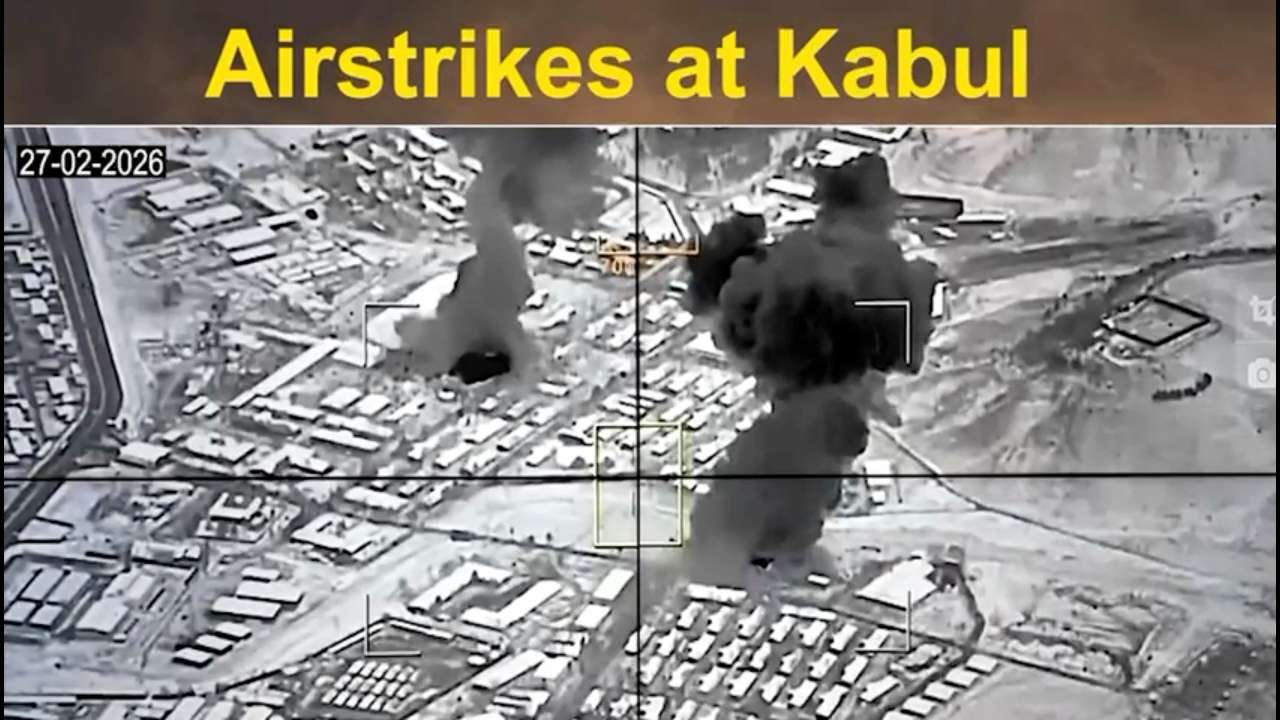
Pakistan carried out air strikes on Kabul, Paktia and Kandahar on Friday, hours after Afghan forces launched a cross-border attack on Pakistani troops, in a sharp escalation between the two neighbours.
Reports from the ground indicate that explosions were heard in the Afghan capital early in the day, with both sides offering sharply different accounts of the damage and casualties.
Pakistan’s information minister, Attaullah Tarar, said the strikes killed 133 Afghan Taliban officials and wounded more than 200 others. Prime Minister Shehbaz Sharif said the armed forces were capable of crushing aggressors, while Defence Minister Khawaja Mohammad Asif described the situation as “open war.”
Kabul, however, rejected Pakistan’s account.
RECOMMENDED FOR YOU

Six countries account for three-quarters of Europe’s unicorn startups
Afghanistan’s defence ministry said 55 Pakistani soldiers were killed in Thursday night’s border clashes and that 19 Pakistani posts and two bases were destroyed. It reported eight Afghan soldiers killed and 11 wounded.
After months of tension
This latest fighting follows months of tit-for-tat violence despite a Qatar-mediated ceasefire agreed in 2025.
Border crossings have largely remained shut since deadly clashes in October that left more than 70 people dead on both sides.
Residents near the Torkham crossing have again been evacuated, and local authorities reported civilian casualties, including women and children.
At the heart of the dispute is Pakistan’s accusation that Afghanistan is failing to curb militant groups operating from its soil, particularly Tehrik-e-Taliban Pakistan (TTP).
Islamabad said the group has intensified attacks in Khyber Pakhtunkhwa and Balochistan. Afghan officials insist the TTP issue is an internal Pakistani matter.
Border factor
Tensions have deep historical roots, as the two countries share a 2,611-kilometre frontier known as the Durand Line, a colonial-era boundary that Kabul has never formally recognised. The line divides Pashtun communities and remains politically sensitive.
After the Taliban returned to power in Kabul in 2021, many in Pakistan expected a friendly administration. During the insurgency against US-led forces, Taliban leaders had found sanctuary in Pakistani border regions.
RECOMMENDED FOR YOU

Olympic flame arrives on African soil for first time as Senegal begins Dakar 2026 countdown
Yet relations have deteriorated as the Afghan Taliban have sought greater autonomy and resisted Pakistani pressure over militant groups.
Continued cross-border strikes risk deepening instability in a region already strained by militancy, economic fragility and diplomatic isolation.
The United Nations has called for restraint, though it has so far failed to halt the slide towards a broader confrontation.
This story is written and edited by the Global South World team, you can contact us here.