Senegal Roundup: Anti-LGBTQ bill, Morocco fan dispute, economic repositioning
Senegal to increase penalties for homosexual relations
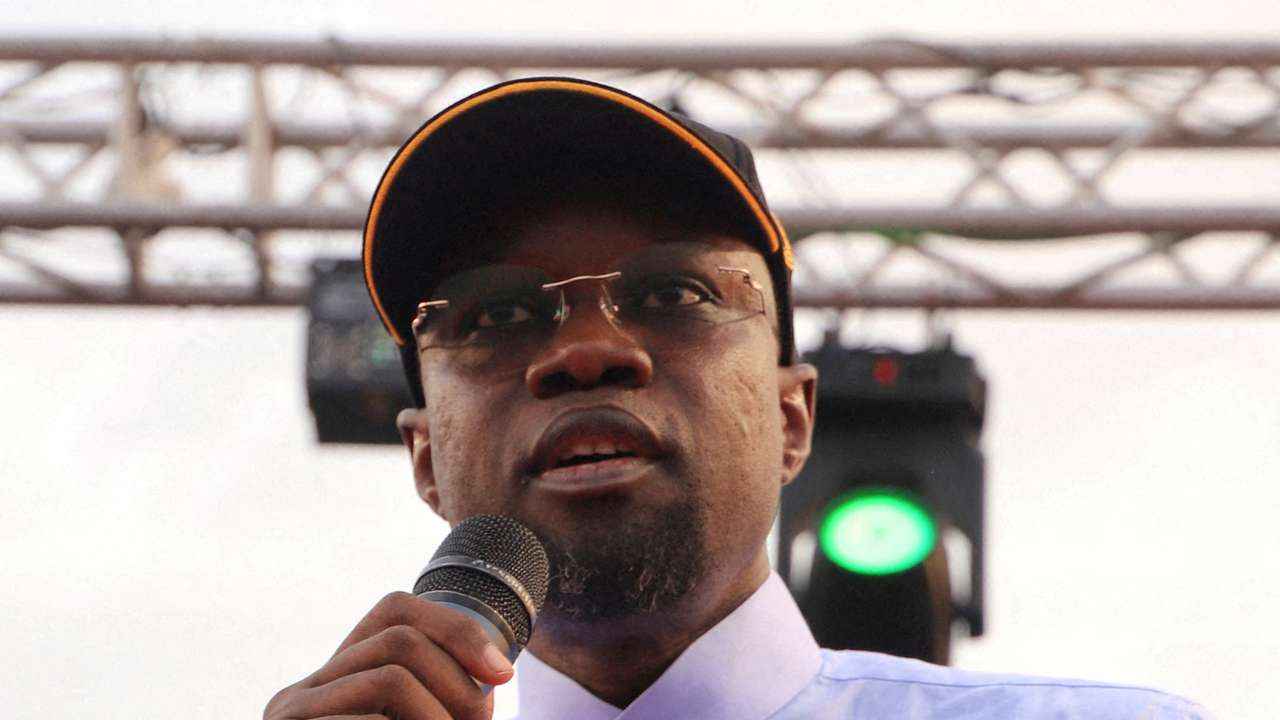
Prime Minister Ousmane Sonko announced on Tuesday, February 24, in the National Assembly, the tabling of a bill aimed at increasing penalties for homosexual relations in Senegal. The proposed legislation would raise prison sentences from the current one to five years to a range of five to ten years. The announcement comes amid renewed arrests linked to “unnatural acts” and intentional transmission of HIV, reigniting debate over the country’s legal framework. The government’s approach has generated mixed reactions. Alioune Badara Coulibaly, spokesperson for the APR, criticised the move, arguing that it falls short of earlier commitments to criminalise homosexuality. He stated that the proposal appears to focus on strengthening existing penalties rather than undertaking a broader legal overhaul aligned with prior electoral promises.
Sonko condemns Morocco’s jailing of 18 Senegalese AFCON fans
Prime Minister Sonko has denounced Morocco’s sentencing of 18 Senegalese football supporters following incidents during the Africa Cup of Nations final in Rabat on January 19. The match was briefly suspended after Senegal players protested a late penalty decision in favour of Morocco, prompting some supporters to attempt to enter the pitch. The 18 fans were arrested and later sentenced to prison terms ranging from three months to one year, alongside fines of up to 5,000 dirhams ($545). Addressing parliament on February 24, Sonko said the matter appeared to go beyond sport and described the situation as regrettable between two friendly nations. He indicated that Senegal would seek a royal pardon from King Mohammed VI or request that the supporters serve their sentences in Senegal under existing bilateral agreements. The Senegal Football Association described the penalties as “incomprehensibly harsh", while defence lawyer Patrick Kabou said his clients denied wrongdoing and had initially awaited clarification of the charges. Some detainees reportedly went on a hunger strike. Senegal went on to win the final 1–0 after extra time when the match resumed.
Arrests reported in alleged homosexual networks
Senegalese authorities have dismantled what has been described as a suspected homosexual network in Saint-Louis. According to local reports, three men aged between 43 and 52 are under investigation by the Research Section, with efforts ongoing to identify additional suspects. In Dakar, the first chamber of the Pikine-Guédiawaye court ordered the detention of four individuals identified as Abdourahmane Cissé, Abdoul Diop, known as “Dabakh”, Saliou Mbaye, known as “Zale”, and Mansour Baldé, known as “Zo Baldé”. The arrests come amid the National Assembly's tabling of a bill aimed at increasing penalties for homosexual relations.
RECOMMENDED FOR YOU
Six countries account for three-quarters of Europe’s unicorn startups
Civil society seeks royal pardon for fans detained in Morocco
Justice Without Borders (JSF) on February 24 formally appealed to King Mohammed VI of Morocco to grant a royal pardon to 18 Senegalese football fans convicted following incidents at Prince Moulay Abdellah Stadium in Rabat. The organisation cited Article 58 of Morocco’s Constitution, which grants the sovereign the power of pardon, noting that the supporters’ convictions are final after they waived their right to appeal. JSF President El Amath Thiam framed the request within the context of longstanding diplomatic and historical ties between Senegal and Morocco. While affirming respect for Moroccan judicial sovereignty, the organisation expressed hope that clemency would offer a second chance to the supporters convicted under laws criminalising violence at sporting events.
Business leaders push for stronger public-private partnership at agricultural show
Senegalese business and institutional leaders are advocating a performance-driven model of participation at the International Agricultural Show (SIA). During working sessions at the Exhibition Park, stakeholders emphasised the need to translate exhibition presence into concrete investments and export contracts. Representatives from major institutions, including SAED, the Autonomous Port of Dakar, CNAAS, LBA, ITA, and FONGIP, took part in discussions alongside interprofessional organisations representing maize, cassava, rice, tomato, onion, and cowpea sectors. The delegation also visited Côte d’Ivoire’s pavilion, with Mboup highlighting the importance of synergy between government institutions and the private sector as a model for strengthening Senegal’s agricultural development.
This story is written and edited by the Global South World team, you can contact us here.
