Somalia cleared to issue East African Community e-passport to boost regional travel
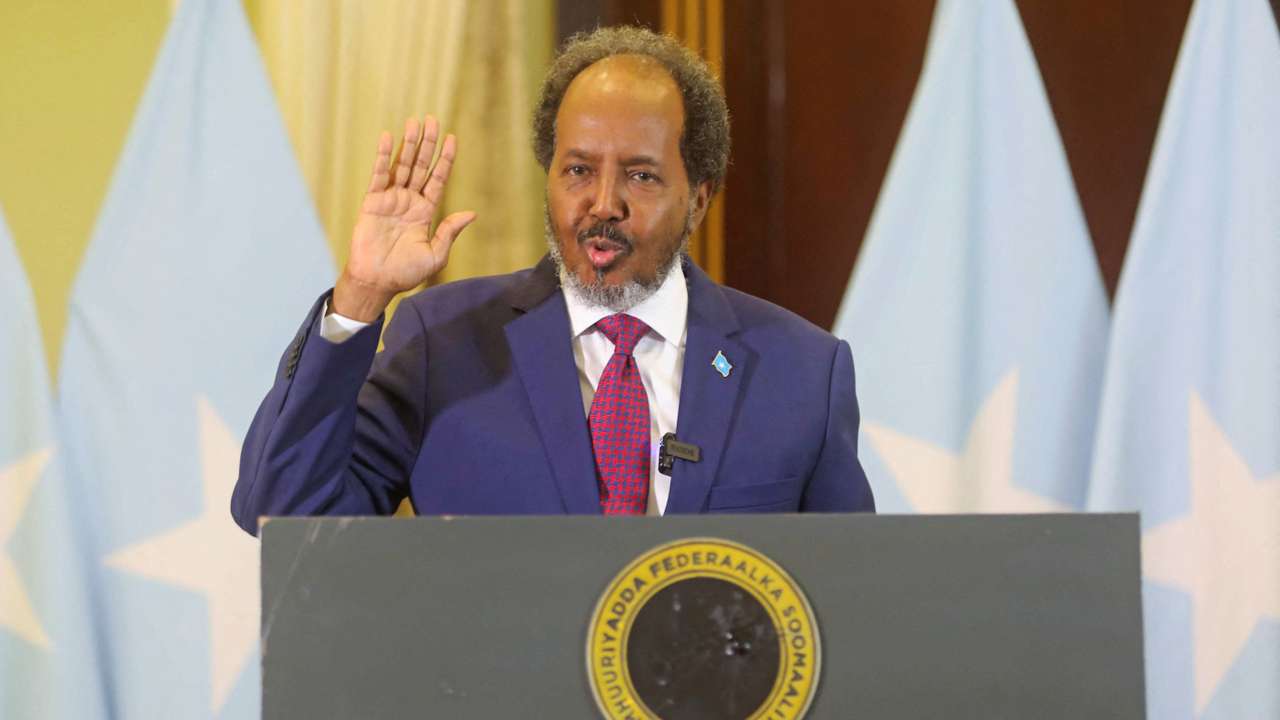
Somalia has received approval to join the East African Community (EAC) passport system, paving the way for the country to begin issuing the regional travel document used across member states.
Officials say the step is expected to ease cross-border movement, expand trade, and deepen regional integration.
The authorisation was handed over on Tuesday, February 17, during a ceremony attended by Somalia’s ambassador to Tanzania and the EAC, Ilyas Ali Hassan, Internal Security Minister Abdullahi Sheikh Ismail, and Immigration Director General Mustafa Dhuhulow.
Ambassador Ilyas formally presented the approval document, clearing Somalia to produce passports that will be recognised across all EAC member states.
The East African e-Passport programme began in 2017 as member countries modernised travel documents. Kenya launched the rollout on September 1, 2017, followed by Tanzania, Burundi, Uganda and Rwanda. South Sudan and the Democratic Republic of the Congo are still implementing the system.
RECOMMENDED FOR YOU
Six countries account for three-quarters of Europe’s unicorn startups
"I had the honour to hand over the official decision authorising Somalia to adopt and print the EAC passport to the Minister of Internal Security and Director-General of Immigration and Citizenship," the ambassador said.
With approval secured, Somalia will now begin technical and administrative preparations, including updating immigration systems, setting up passport production, and coordinating recognition procedures with partner states.
The development follows a separate agreement between Somalia and Tanzania on immigration cooperation, introducing visa-on-arrival for diplomatic and service passport holders and simplifying entry procedures for ordinary travellers under agreed conditions.
Officials said the framework is expected to cut administrative hurdles while promoting trade, education, and professional exchanges. It also creates channels for information-sharing between immigration authorities and mechanisms to address operational issues, aiming to make regional travel smoother for citizens.
This story is written and edited by the Global South World team, you can contact us here.