South Africa Roundup: Health emergency, ANC strategy shifts, pressure on constitutional order
Diphtheria outbreak
The Western Cape has emerged as the centre of South Africa’s ongoing diphtheria outbreak, accounting for nearly three-quarters of confirmed cases and the majority of related deaths, according to the National Institute for Communicable Diseases (NICD). Of the 91 laboratory-confirmed cases recorded nationwide between January 2024 and January 18, 2026, 67 were reported in the province. The NICD said “the majority of confirmed cases and carriers (76%) are from the Western Cape,” with repeated clusters in households, communities and correctional facilities pointing to sustained transmission. Nineteen deaths have been recorded nationally, 12 of them in the Western Cape, giving an overall case fatality ratio of 21%. The NICD warned that diphtheria is “a highly contagious vaccine-preventable illness” that can be fatal if treatment is delayed.
ANC sets up ‘war room’ ahead of municipal elections
The ANC has announced the creation of a dedicated “war room” to tackle persistent local government failures ahead of this year’s municipal elections, with water shortages and rural road infrastructure flagged as top priorities. Deputy President Paul Mashatile said the intervention would be led by Secretary-General Fikile Mbalula and focus on speeding up implementation across municipalities. “This is the year of decisive action to fix local government and ensure a viable economy,” Mashatile said, adding that water reticulation rather than dam capacity was at the heart of many shortages. The initiative follows internal party assessments pointing to weak policy implementation as a long-standing challenge.
RECOMMENDED FOR YOU

Mauritania Roundup: Green hydrogen deal advances, schools prepare for new term and 100,000 livestock targeted
Ramaphosa denies ANC is ‘selling the country’ to private sector
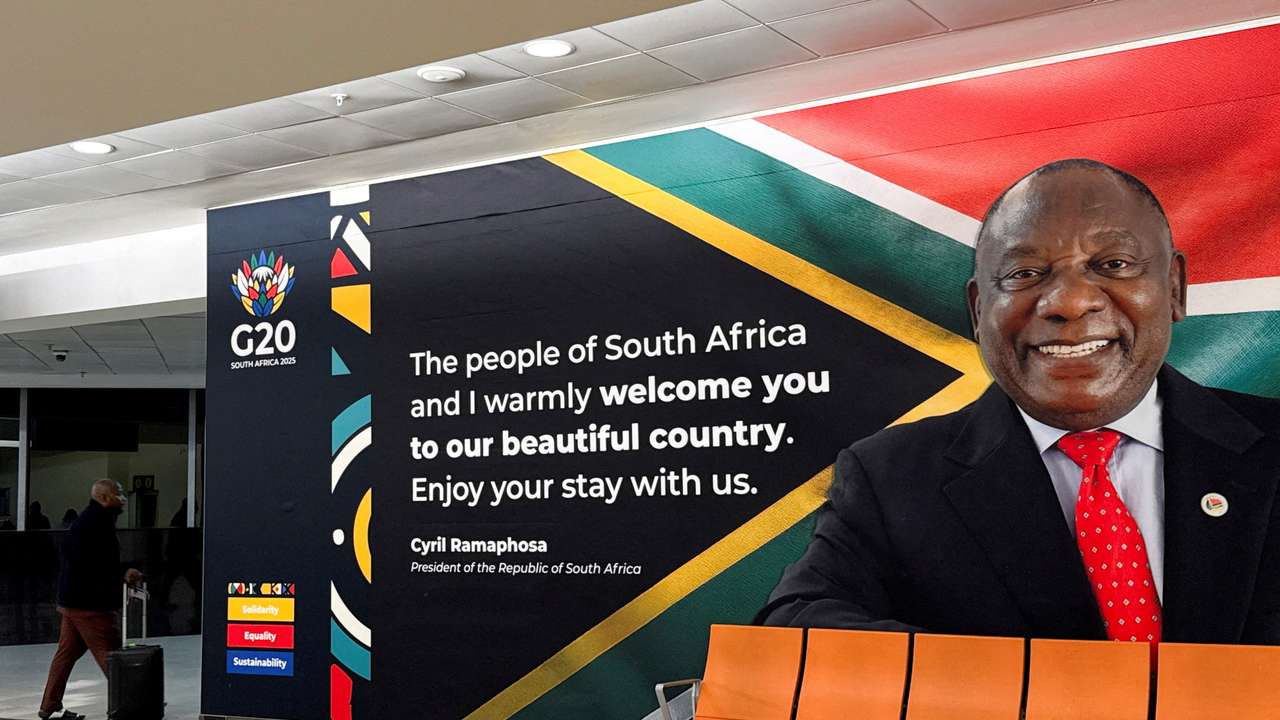
President Cyril Ramaphosa has pushed back against criticism within the ANC that the party has embraced neo-liberalism or is privatising state assets. Addressing the ANC National Executive Committee at its lekgotla, Ramaphosa said the government was “not privatising anything” but partnering with the private sector through concession-style agreements. “What we are doing is to bring in partners,” he said, citing roads, Eskom and Transnet as examples where private participation is structured on a “build, operate and transfer” basis, with assets ultimately returning to the state.
Malema defiant ahead of sentencing in firearms case
EFF leader Julius Malema struck a defiant tone outside the East London Magistrate’s Court as his pre-sentencing hearing got underway following his conviction on firearms-related charges. “The revolution must continue,” Malema said, insisting that no prison sentence would make him retreat from his political beliefs. He accused AfriForum, which brought the private prosecution of using the courts to fight political battles, saying, “I will never retreat, I will never surrender to white supremacy.” Malema added that he feared poverty and landlessness more than imprisonment, while also casting aspersions on the judiciary despite serving on the Judicial Service Commission.
Top jurists warn of strain on constitutional democracy
Prominent jurists Dennis Davis and Geoff Budlender SC have raised concerns about the long-term health of South Africa’s constitutional democracy, warning that persistent failures to realise socioeconomic rights are fuelling public disillusionment. Davis said inequality is now worse than at the adoption of the constitution, calling the government’s economic policy record since 1994 a “monumental failure”. Both jurists noted growing political pressure to amend or discard the constitution, with Davis warning that parties sceptical of the current constitutional order now command a significant share of the vote. While stressing that South Africa has not crossed into authoritarianism, they cautioned that the warning signs are mounting.
This story is written and edited by the Global South World team, you can contact us here.