South Africa's KZN faces backlash over rollout of unproven circumcision device
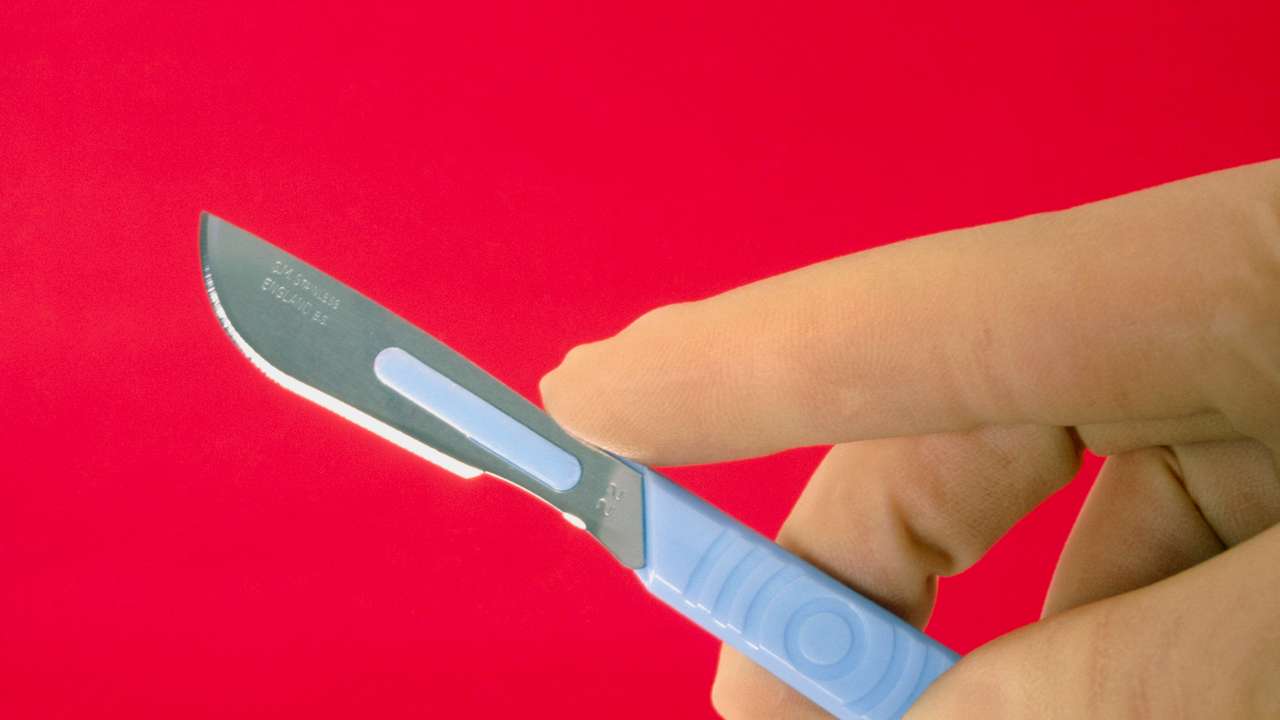
The KwaZulu-Natal (KZN) Department of Health in South Africa is under fire after moving ahead with the distribution of nearly 96,500 unproven circumcision devices.
Clinical experts are raising serious concerns about the safety of the CircumQ device, and a legal challenge is already underway.
Despite warnings that CircumQ is unproven and potentially unsafe, especially for adolescent boys, the provincial government has committed millions of rands to introduce the device in clinics across the coastal region.
This isn’t the first time the KZN health department has faced similar issues. In 2011, it was criticised for using the Tara KLamp, another device that lacked proper clinical trials.
The current controversy centres on a national tender awarded for the CircumQ device, which is now being deployed in KZN clinics.
RECOMMENDED FOR YOU
Six countries account for three-quarters of Europe’s unicorn startups
In a memo sent to health officials in December 2025, Eugene Khumalo, acting clinical coordinator at Northdale Hospital’s Centre of Excellence, raised "profound alarm", as reported by local news channel Ground Up. He criticised the rollout for happening without consulting the Centre of Excellence, the body responsible for maintaining quality in circumcision services.
Khumalo called the move a "fundamental failure of clinical governance", warning it "recklessly endangers patients" and puts the Voluntary medical male circumcision (VMMC) programme at "dire risk".
One major issue is that the CircumQ device needs suturing (stitches), unlike other devices that allow for stitch-free procedures. Experts note that many circumcisions happen at outreach or mobile sites, where stitching isn’t usually done.
Another problem is that no staff had been trained to use CircumQ at the time the order was placed. More than 90 staff are already trained to use the Unicirc device, but Khumalo says introducing CircumQ without training goes against accepted medical protocols.
Meanwhile, Unicirc—the competing supplier—has taken legal action. They argue that CircumQ lacks the peer-reviewed data and WHO prequalification needed for use on boys aged 10 to 14. National Treasury, however, claims that bidders weren’t required to submit scientific data supporting adolescent use.
There are also cost concerns.
- A complete Unicirc circumcision pack costs R460 (US$27.97).
- CircumQ requires an extra kit, pushing the cost to about R700 (US$42.55) per unit.
Khumalo warned that if the court forces a withdrawal of CircumQ after the rollout, the province could face "catastrophic legal and financial consequences" due to the large financial investment already made.
VMMC has been a key part of efforts to reduce HIV transmission, with support from the World Health Organisation (WHO) since 2007. The procedure can lower the risk of heterosexual HIV transmission by around 60%, and over 27 million circumcisions have been done in Eastern and Southern Africa. But the WHO clearly states that all circumcision devices must be properly tested for safety and clinically approved.
RECOMMENDED FOR YOU

Olympic flame arrives on African soil for first time as Senegal begins Dakar 2026 countdown
Globally, South Africa has the highest HIV mortality rate and the second highest HIV prevalence at 17.2%, just behind Eswatini at 23.4%.
This story is written and edited by the Global South World team, you can contact us here.
