Southeast Asia fuels energy growth, but lags in renewable investment with just 2%
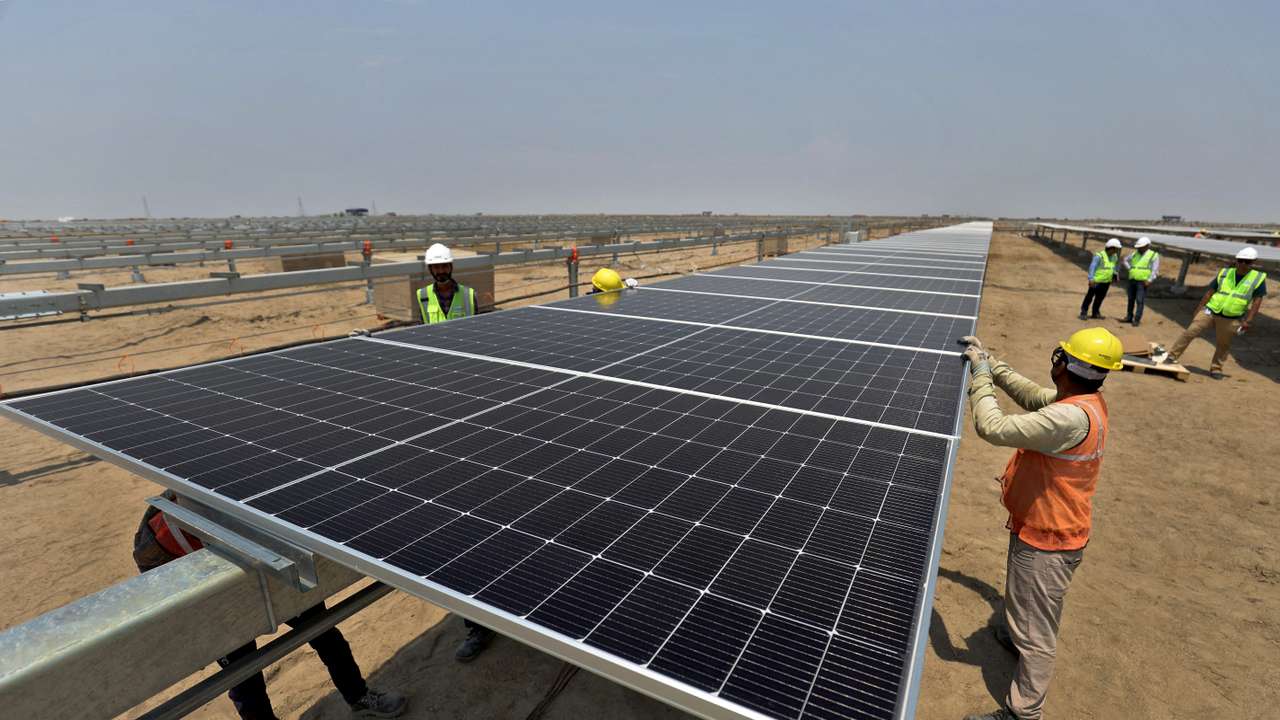
Asia’s appetite for renewable energy is accelerating, but investment is failing to keep pace with surging demand, industry leaders have warned.
Home to nearly 4.8 billion people, Asia must meet energy demand projected to double by 2050 while advancing net zero commitments. Yet fossil fuels still account for around 80% of the region’s energy mix, and Asia produces nearly half of global greenhouse gas emissions.
The imbalance is especially stark in Southeast Asia, one of the world’s fastest-growing energy markets.
Worse off in Southeast Asia
Although the subregion accounts for roughly half of global energy consumption growth, it attracted just 2% of global clean energy investment in 2023, Malaysia’s Prime Minister Anwar Ibrahim said at the Energy Asia 2025 conference in Kuala Lumpur.
Over the past decade, Southeast Asia’s overall energy demand has increased by more than 35%, while electricity demand has risen by over 60%. Electricity access rates improved by 12%, reflecting rapid urbanisation, industrial expansion and rising incomes.
RECOMMENDED FOR YOU
Six countries account for three-quarters of Europe’s unicorn startups
Investment trends, however, show continued reliance on fossil fuels. They accounted for 60% of total energy investment in the past decade. Coal alone attracted $110 billion since 2015, expanding its share of the regional energy mix from 20% to 30%.
The International Renewable Energy Agency estimates Southeast Asia needs average annual investment of $210 billion to meet its net-zero targets. Achieving the 1.5°C climate goal would require an additional $2 trillion in annual public and private investment by 2030 across emerging and developing economies.
Not a lost cause
Still, there are remaining bright spots for Southeast Asia’s prospects of clean energy.
Clean energy investment in Southeast Asia rose to $47 billion in 2025 from $30 billion in 2015. Yet financing constraints remain. More than 75% of clean energy projects rely on commercial finance, rising above 85% in clean power, fuels and battery storage.
By contrast, grid infrastructure, storage and transmission depend heavily on public funding, which accounts for around 40% of capital.
“Despite wide disparities in economic development, resource endowments and market maturity, energy security is a common priority for the region,” the Paris-based International Energy Agency said in a report.
At the conference, Tengku Muhammad Taufik, president and group chief executive of Petronas, called for “region-specific strategies” and stronger cross-border cooperation to build resilient energy systems.
Southeast Asia is also strengthening its position in clean energy supply chains. In 2023, Viet Nam, Thailand and Malaysia ranked among the world’s largest solar photovoltaic manufacturers after China, reinforcing the region’s growing role in global panel production.
RECOMMENDED FOR YOU

Burkina Faso to stop importing armoured vehicles, Traore says
With its scale and growth trajectory, Asia “stands at the forefront of a transformative shift in energy landscapes,” the Global Energy Alliance said. Whether that momentum translates into concrete commitments at the 31st UN Climate Change Conference in November remains uncertain.
This story is written and edited by the Global South World team, you can contact us here.