Sudan's forgotten war drags on, spilling over borders — Opinion
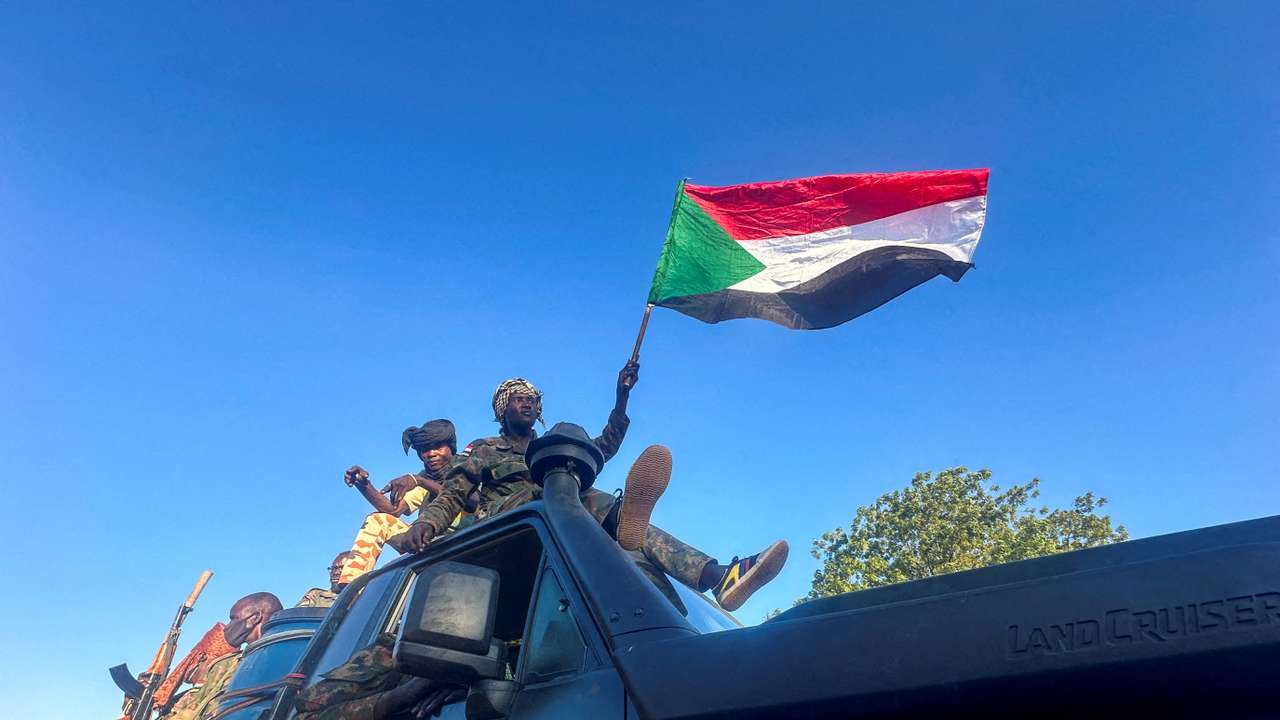
The civil war in Sudan continues to escalate.
The conflict broke out in April 2023 and has so far claimed thousands of civilian lives and displaced millions from their homes, half of them children.
It is a power struggle between the Sudanese Armed Forces (SAF) and the rebel Rapid Support Forces (RSF), whose commanders were close allies in the post-Omar al-Bashir transitional government. Despite being the world’s worst humanitarian crisis, with widespread severe hunger and malnutrition, the Sudan war is receiving far less global attention than it needs. Not only has this worsened access to humanitarian support, but it has also fuelled the conflict’s persistence by failing to spark urgency.
The shift in global attention has contributed to prolonged suffering in a country with over 21 million people experiencing acute hunger and growing rates of malnutrition. “WFP has been forced to reduce rations to the absolute minimum for survival. By the end of March, we will have depleted our food stocks in Sudan. Without immediate additional funding, millions of people will be left without vital food assistance within weeks,” notes Ross Smith, World Food Programme (WFP)’s Director of Emergency Preparedness and Response.
The dwindling interest by the international community can be attributed to competing global priorities such as the Russia-Ukraine conflict and the US-Israel war against Iran which have diverted attention and resources from the Sudan civil war.
RECOMMENDED FOR YOU
Six countries account for three-quarters of Europe’s unicorn startups
The precarious working conditions in cities like Darfur and El Fasher where civilian massacres have been reported, render reporting on the conflict dangerous, with scores of journalists allegedly imprisoned, others injured or killed in the line of duty.
Disproportionate media coverage is especially concerning, as it distorts public perception, facilitates the spread of false information and undermines the need to hold warring parties accountable, amid reports of potential war crimes committed by the RSF in western Sudan.
Sudan’s neighbours have had to contend with the crisis. For instance in February, numerous armed incidents were reported near the Sudan-Chad border, including a drone attack that left more than 20 people injured near Adré.
According to a report by United Nations High Commissioner for Refugees (UNHCR), another drone killed two parents and injured their infant between Abgamra, North Darfur and Tiné town within Chad’s Wadi Fira region. The country has also experienced an increased refugee influx, recording approximately 913, 537 new arrivals between April 2023 and February 2026. This has exacerbated its dire humanitarian situation amidst aid cuts.
The limited international attention to this crisis is a litmus test for African institutions like Intergovernmental Authority for Development (IGAD) and the African Union (AU). It weighs their ability to rise to the occasion and resolve conflicts peacefully, considering the regressive economic and social impact of insecurity on the continent’s efforts to further integrate and achieve collective prosperity.
The crisis equally highlights the need to bolster press freedom in times of conflict, particularly to counter the disproportionate global attention on Sudan’s conflict.
“This disparity reflects more than geographic proximity—it reveals an implicit hierarchy of crises, where some conflicts are seen as more urgent and deserving of intervention than others. If Rwanda taught us anything, it is that history tends to repeat itself in new forms,” analysts caution.
RECOMMENDED FOR YOU

Senegalese protest rising cost of living in Dakar
The opinions and thoughts expressed in this article reflect only the author's views.
