Tanzania Roundup: Tourism growth, electrification push and political reconciliation efforts
Tourist arrivals hit 5.9 million
Tanzania’s tourism sector continues to expand, with visitor numbers reaching 5.9 million by December 2025 as the government targets eight million arrivals by 2030. Tourism currently contributes about 17 percent to the national economy, with plans to raise this to 20 percent. Natural Resources and Tourism Minister Ashatu Kijaji said the growth reflects strong collaboration between government and private stakeholders, as well as sustained marketing efforts such as The Royal Tour. She stressed the need for a supportive legal environment, warning that “we must not allow laws to become an obstacle to achieving the target of eight million tourists by 2030.”
Universal electricity access by 2030
Tanzania is accelerating efforts to achieve nationwide electricity access, with plans to connect the remaining 14,000 hamlets by 2030. So far, about 40,000 hamlets, over 60 percent, have been electrified, while more than 11,000 are currently under implementation. Despite progress, rural access remains uneven at 37.1 percent compared to a national average of 52 percent. Authorities say expanding rural electrification is key to boosting economic activity, education and healthcare delivery.
RECOMMENDED FOR YOU

Senegal welcomes Youth Olympic flame ahead of Dakar 2026
Luxury safari camp gains global recognition
Mapito Safari Camp near the Serengeti has been nominated for “Africa’s Leading Luxury Tented Safari Camp” at the 2026 World Travel Awards, marking a milestone for Tanzania’s high-end tourism sector. The camp, part of Marriott’s Autograph Collection, highlights growing international investment in conservation areas. However, its development also raises questions about balancing luxury tourism with environmental protection and community impact, particularly in ecologically sensitive regions like the Serengeti.
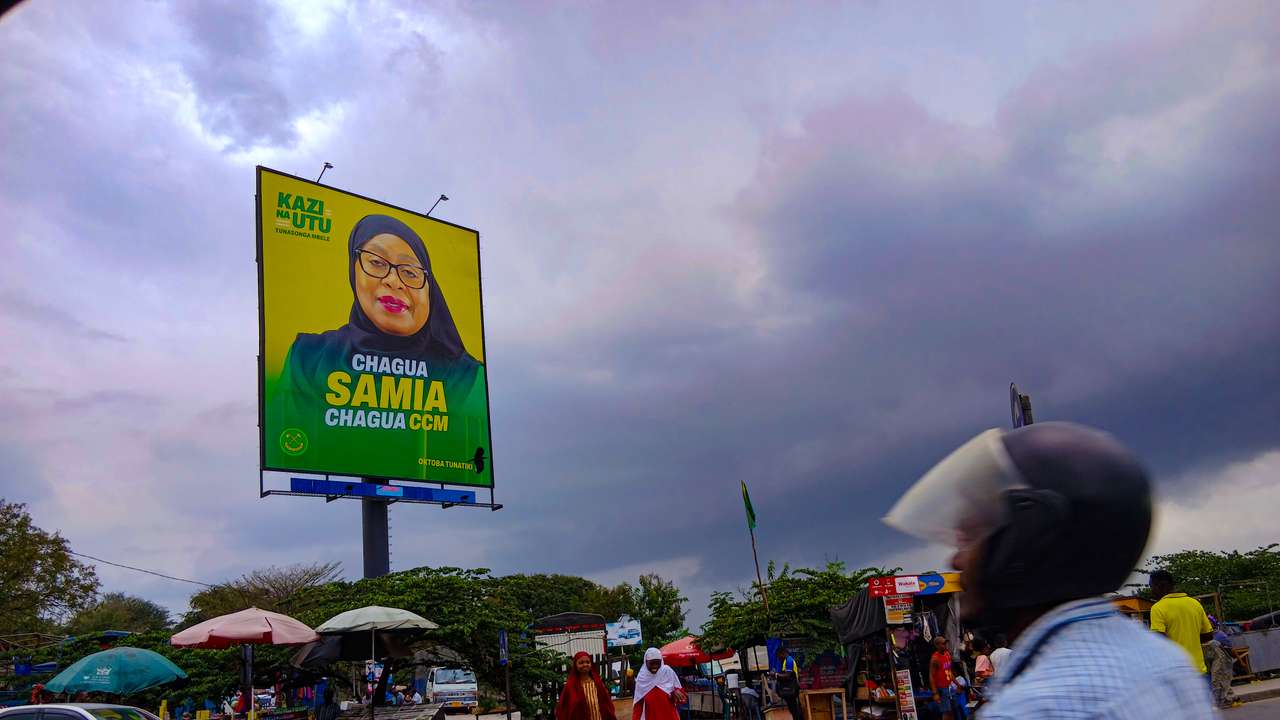
President Samia leads reconciliation talks with former presidential candidates
President Samia Suluhu Hassan has held high-level consultations with candidates from the 2025 general election, bringing together representatives from 16 political parties in a push for national unity. The discussions focused on strengthening reconciliation, democratic governance and political tolerance, in line with her “R4” philosophy, Reconciliation, Resilience, Reforms and Rebuilding. Participants emphasised the need for ethical leadership and sustained dialogue to maintain stability and public trust.
Government bans foreign food aid
Tanzania has directed organisations providing relief food to procure supplies locally, rejecting imported fortified food aid from the United States. Agriculture Minister Hussein Bashe said the country has sufficient domestic production and urged that funds be redirected to support local farmers instead. “Let us purchase the maize, beans and rice from our local farmers,” he said, adding that the policy aims to boost agricultural output and reduce import dependence while strengthening food security.
This story is written and edited by the Global South World team, you can contact us here.