The global language of honking: How drivers talk without words
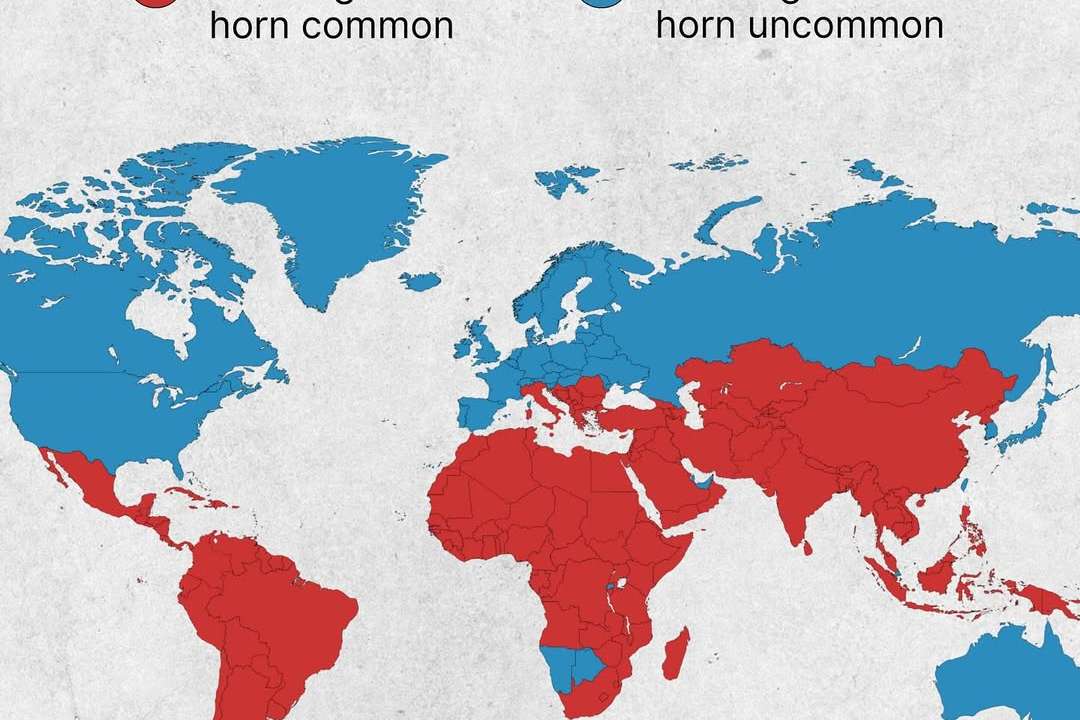
Car horns aren’t just about safety but part of culture. A recent visualization from The World in Maps highlights how honking habits differ drastically across the globe.
In some regions, a honk is a polite nudge or a normal part of traffic rhythm, while in others it’s rare and often considered rude.
Where honking is common
In much of Asia, Africa, Latin America, and Southern Europe, honking is not just accepted, it’s expected. In countries like India, Egypt, and Brazil, the car horn functions almost like a second language. It signals everything from “I’m passing” to “Watch out!” and even “Thank you.”
In India, for instance, horn usage is so embedded in road culture that many trucks and buses bear signs like “Horn Please” or “Use Dip at Night” painted on their backs. This tradition dates back to when drivers needed audible signals to overtake safely on narrow, crowded roads.
RECOMMENDED FOR YOU

India leads the world in freshwater withdrawals
Similarly, in New York City, long notorious for its honking culture, drivers often use horns to express frustration as much as to prevent accidents. Despite regulations, honking remains part of the city’s soundtrack.
Where honking is rare
In contrast, Northern Europe, Canada, Japan, Australia, and New Zealand have honking cultures where drivers reserve their horns almost exclusively for emergencies. In Japan, for example, honking is often considered impolite, reflecting the cultural emphasis on harmony and non-disruption.
In Scandinavian countries, strict noise regulations and disciplined driving cultures mean that horns are rarely heard. A honk there might even draw disapproving looks from other drivers.
Interestingly, the culture of honking also impacts public health. Studies have shown that constant exposure to traffic noise, including honking, can contribute to higher stress levels, sleep disturbances, and even cardiovascular issues.
Cities like Mumbai and Cairo, where honking is constant, often rank among the noisiest in the world.
This story is written and edited by the Global South World team, you can contact us here.