The maps that show why Iran is how it is
Geography plays a huge part in Iran's current situation: Let the maps explain. From seas and mountains, trade routes, oil and water, to people and culture.
Iran has been at the centre of the world's attention, but it is little understood.
Whether you are a geography geek or a US president, maps are a good place to start.
From the Middle East, Central Asia, South Asia, and the Caucasus, Iran borders seven countries on land and six more across water.
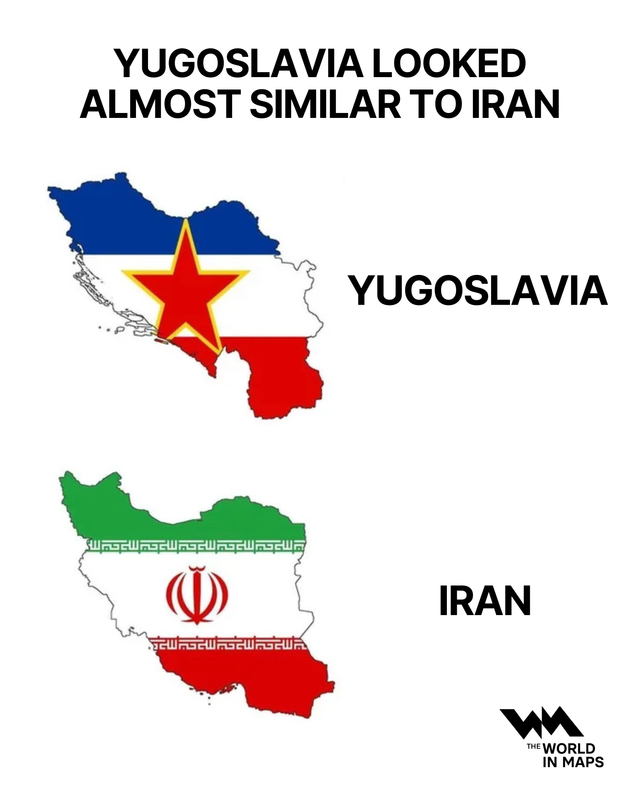
It is also one of the world’s oldest continuous civilisations, with a history that spans more than 4,000 years.
RECOMMENDED FOR YOU
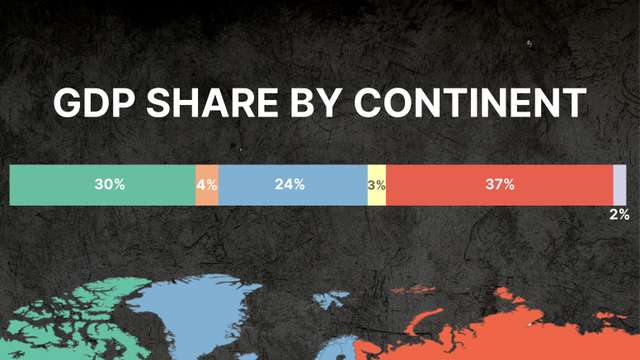
Asia produces the largest share of global GDP
Today, with nearly 90 million people and a landmass exceeding 1.6 million square kilometres, Iran stands as one of the Middle East’s largest and most consequential states.
Iran’s terrain is defined by mountains and arid expanses, with little continuous flat land. The Zagros and Alborz mountain ranges dominate much of the landscape, while the Iranian Plateau forms its core.
To the east, vast deserts such as the Dasht-e Kavir and Dasht-e Lut stretch across large swathes of the country. These physical features are not just geographic, but they also shape settlement patterns, climate conditions and the development of infrastructure.
Historically, Iran was the centre of powerful empires that influenced language, trade, science and culture far beyond its borders. That legacy still runs through modern Iran, visible in its identity and regional reach. Despite invasions by Greeks, Ottomans, Russians and the British, the country has maintained a strong sense of sovereignty and identity.
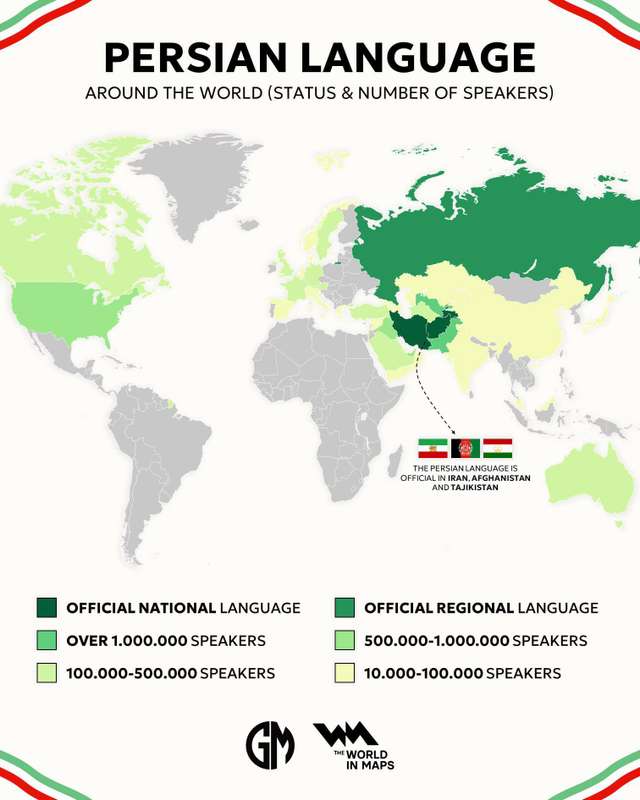
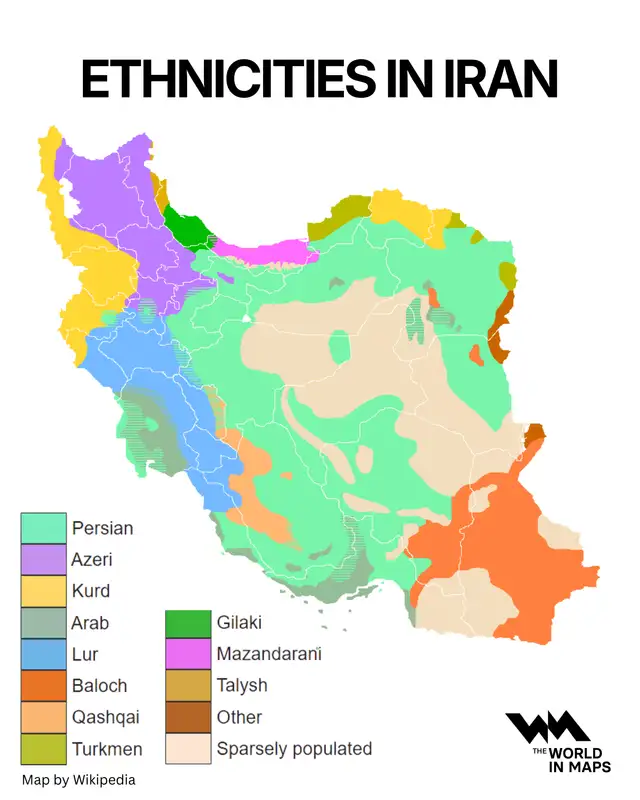
Iran is far more complex, both from the inside and the outside. Farsi remains the dominant language, but the country is home to a diverse mix of ethnic groups, including Azeris, Kurds, Baloch and Arabs, all of whom contribute to its cultural and political fabric.
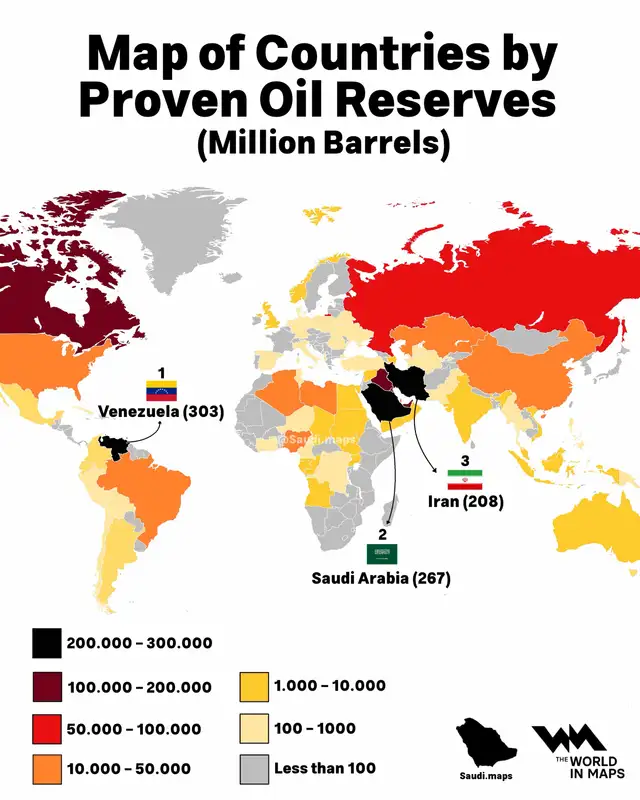
As an energy giant, Iran sits on some of the world’s largest oil and gas reserves, holding roughly 10% of global oil and 15% of natural gas resources.
That alone makes it a major player in global energy markets. Despite heavy international sanctions, Iran continues to export large volumes of oil, primarily to China, demonstrating its resilience and continued relevance in global supply chains.
Its economy, valued at over $400 billion, blends state control with private enterprise, anchored by energy, manufacturing and a growing technology sector.
RECOMMENDED FOR YOU
Argentina equals Germany's record with fourth FIFA World Cup final defeat
Modern Iran, however, cannot be understood without the 1979 Islamic Revolution.
It overthrew a Western-backed monarchy and replaced it with a theocratic system that still defines the country today.
And since the Revolution, Iran has pursued an independent and often confrontational foreign policy, positioning itself as a regional power and a counterweight to Western influence.
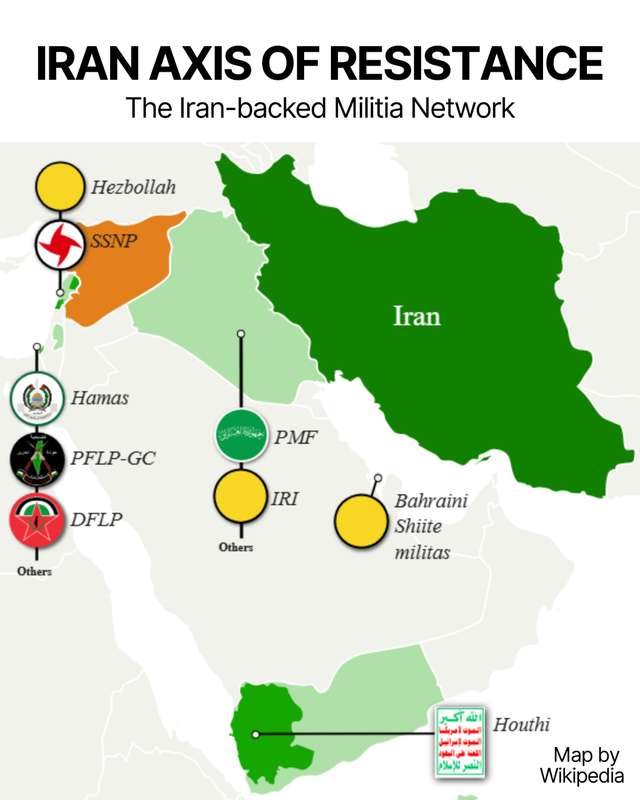
Its network of regional alliances, often referred to as the “Axis of Resistance”, extends its influence beyond its borders, reaching into Iraq, Syria, Lebanon and Yemen. Many of these connections relate to Iran's position as the dominant power of the Shia sect of Islam. In other cases, allies were drawn to Tehran by a mutual hatred of Israel.
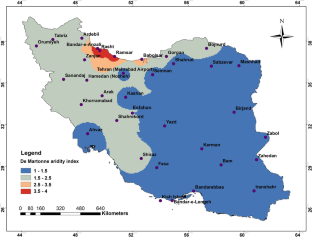
The country is also enduring one of its worst environmental crises in decades, after more than five consecutive years of drought have pushed it toward what experts describe as “water bankruptcy.” Reservoirs are drying up, major cities are nearing “day zero” water shortages, and as many as 28 million people now face unreliable access to water.
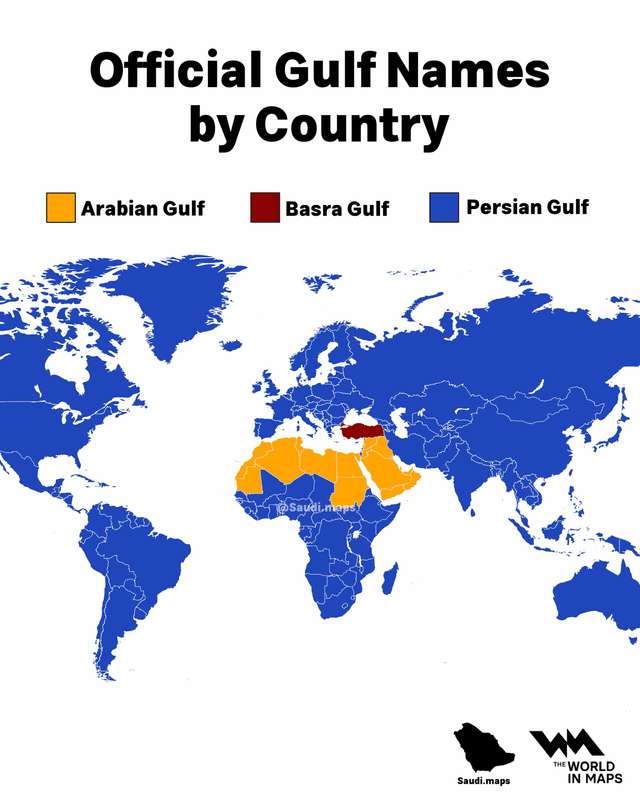
Even geography beyond its borders carries political weight.
The body of water to its south has been known in Iran and elsewhere for over 2,500 years as the “Persian Gulf.” Still, some Arab states refer to it as the “Arabian Gulf,” creating an ongoing geopolitical dispute.
For Iran, the name is not just symbolic; it is tied to history, identity and sovereignty.
RECOMMENDED FOR YOU
Java has more people than almost every country in the world
At the edge of Iran’s southern coastline lies its most powerful strategic asset: the Strait of Hormuz.
This narrow waterway connects the Persian Gulf to the open ocean and carries more than 20% of the world’s oil supply.
It is one of the most critical chokepoints in global trade. Iran controls the northern side as well as a series of islands, and that gives it enormous leverage.
Over the decades, Tehran has repeatedly threatened to disrupt traffic through the strait during times of conflict.
And in 2026, those threats became reality, sending shocks through global energy markets.
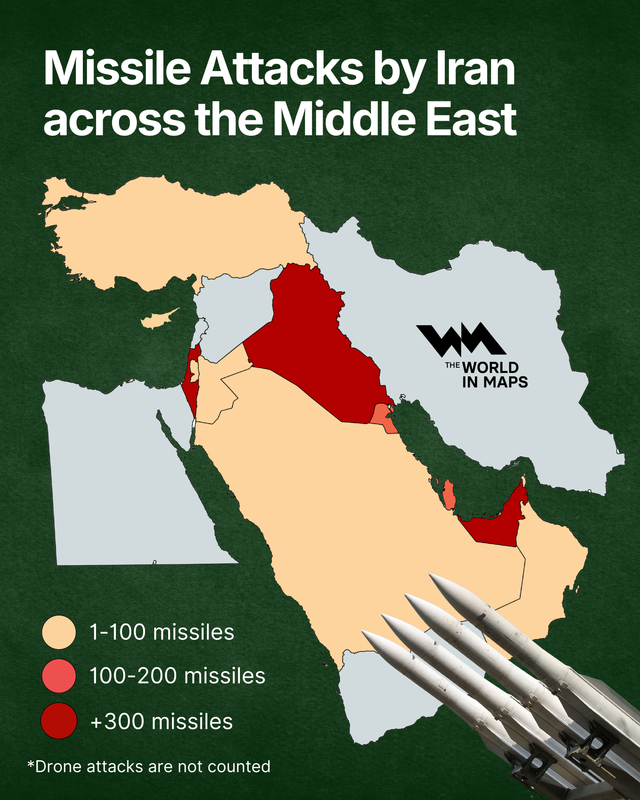
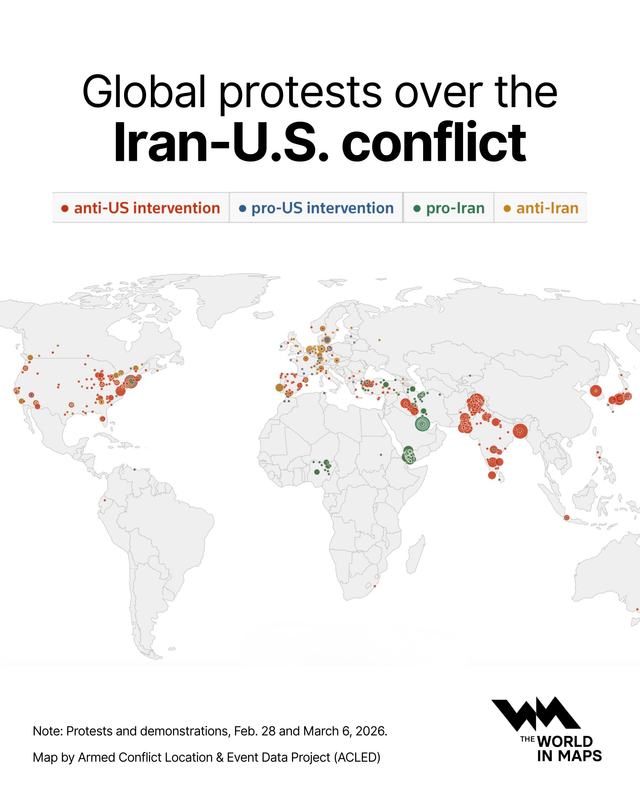
At the same time, geopolitical tensions have sharply intensified. Following Israeli strikes on Iranian military and nuclear sites in February 2026, the United States joined the conflict with direct attacks, triggering a broader regional confrontation that continued for days.
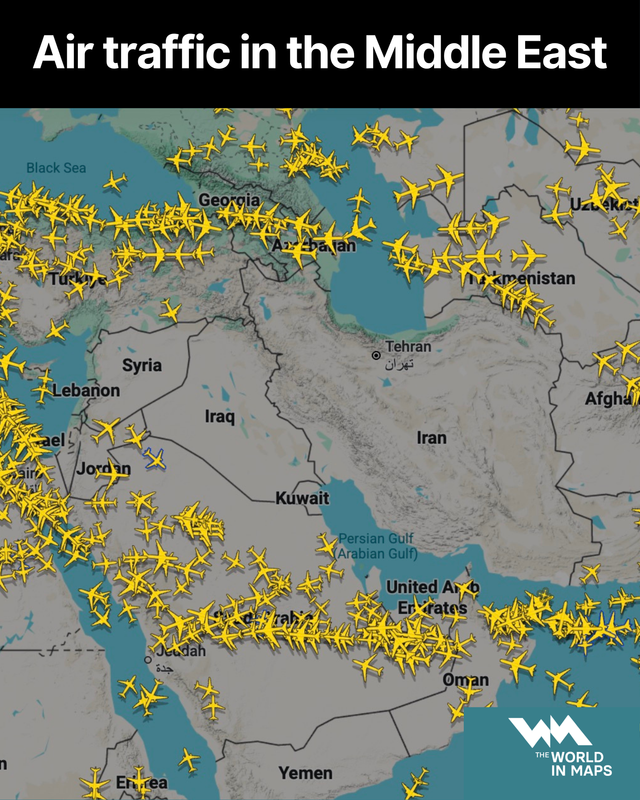
The situation has since escalated into a wider crisis affecting global energy routes. Iran has launched retaliatory missile and drone attacks, while disruptions in the Strait of Hormuz, a vital oil transit chokepoint, have sent shocks through global markets.
See more maps on our Instagram account.
RECOMMENDED FOR YOU
Empire of Japan reached its greatest extent in 1942 before turning point in World War II
This story is written and edited by the Global South World team, you can contact us here.