The most pivotal elections of the Global South to look out for in 2026
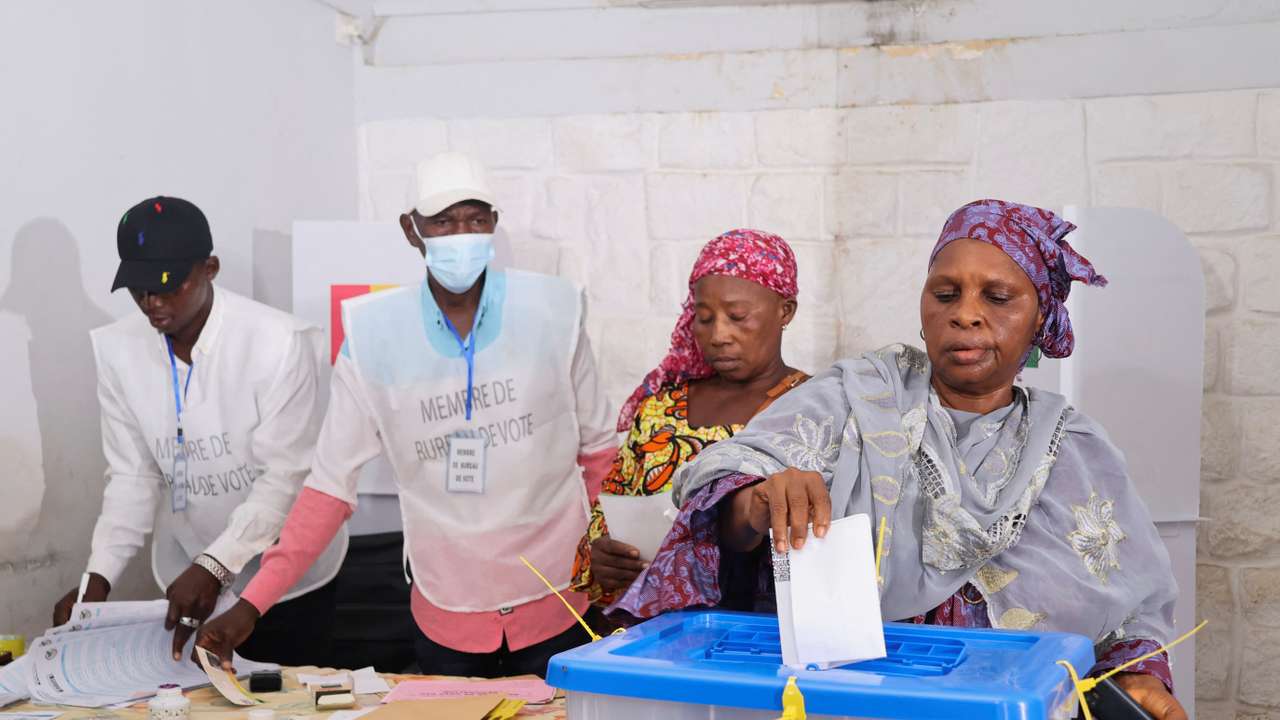
Approximately 1.6 billion people worldwide will vote to elect new leaders in 2026.
Here is a month-by-month breakdown of some national elections that will happen in more than 40 countries:
Bangladesh — February 12
Bangladesh’s 2026 national election is one of the most significant tests of democratic resilience in South Asia. After mass student protests in 2024 toppled long-time leader Sheikh Hasina, the country has been governed by an interim administration led by Nobel laureate Muhammad Yunus.
Scheduled for February 12, the election will determine all 300 seats in the Jatiya Sangsad (national parliament) and will be accompanied by a constitutional referendum. Over 127 million voters are registered, making it one of the largest electorates in the world.
RECOMMENDED FOR YOU
Malaria surge in Sudan’s Khartoum as millions return home
With the ruling Awami League previously barred from contesting and major opposition parties such as the Bangladesh Nationalist Party (BNP) re-entering the fray, this election represents a dramatic realignment of political forces.
At stake are fundamental questions about civil liberties, judicial independence, and the role of the military in governance, issues highlighted by analysts who note deep public mistrust and the need for credible electoral processes to prevent renewed instability.
Nepal — March 5
Nepal is preparing for one of the most consequential elections against the backdrop of major political unrest. In September 2025, Gen Z-led protests spread nationwide, driven by discontent with corruption, authoritarian governance, and a controversial social media ban. The protests became the most intense political movement in years, leading to violent clashes and dozens of deaths.
Following the unrest, Prime Minister K.P. Sharma Oli resigned, and the federal Parliament was dissolved. In response, President Ram Chandra Paudel appointed former Chief Justice Sushila Karki as interim prime minister, making her Nepal’s first female head of government. The interim government’s primary task is to oversee a stable transition toward the March elections.
Republic of the Congo — March 22
The Republic of the Congo will hold its presidential election on March 22, 2026, with long-time incumbent Denis Sassou Nguesso seeking another term after decades in power.
Nguesso, who has governed since 1997 and previously served from 1979 to 1992, remains a polarising figure. Critics argue his extended rule has eroded democratic norms, and freedom indices rate the polity among the lowest in political rights.
RECOMMENDED FOR YOU
Amputee left homeless by Colombia earthquake pleads for help
The election is significant for domestic governance, but also because Congo holds key natural resources and strategic importance in Central Africa. Opposition coalitions are attempting to unify against Nguesso’s longstanding rule, and the 2026 vote could signal either continuity or a breakthrough for alternative leadership.
Colombia — May 31
Colombia will hold its presidential election on May 31, following parliamentary elections earlier in March. The contest comes at a critical juncture for the Andean nation as it tackles issues like narcotics-driven violence, economic inequality, and peace process implementation.
The 2026 vote will test the durability of reforms initiated under previous administrations and will shape Bogotá’s diplomatic posture toward neighbouring Venezuela and broader Western Hemisphere cooperation on security and migration challenges.
The country is also expected to elect a new leader as the incumbent President Gustavo Petro has been banned from recontesting.
Ethiopian General Election — June 1
Scheduled for June 1, 2026, Ethiopia’s general election will be the first major vote since ongoing internal conflicts deeply disrupted the nation’s political landscape.
Prime Minister Abiy Ahmed’s Prosperity Party will seek to extend its hold on power in a country still grappling with security challenges, a fragile economy, and questions about electoral credibility.
RECOMMENDED FOR YOU

Togolese designer takes football jerseys beyond the stadium
As East Africa’s second-largest country by population, Ethiopia’s political direction will resonate across the region, particularly in how it handles ethnic tensions, federal governance, and economic reform been high in recent years.
Brazil — October 4
Brazil’s general election, set for October 4, will be closely watched across Latin America and beyond.
Brazil’s election will determine the presidency as well as the composition of both chambers of Congress. With Brazil being the largest democracy in Latin America, influential in regional trade, climate policy, and global diplomatic forums, political shifts here could affect Mercosur, climate cooperation (especially Amazon preservation), and relations with major powers such as the United States, China, and the EU.
Sitting President Lula da Silva is seeking a second term and will be going head-to-head with the son of jailed former President Jair Bolsonaro, Flavio Bolsonaro.
This story is written and edited by the Global South World team, you can contact us here.