'Therian' identity in Latin America moves from viral trend to cultural debate
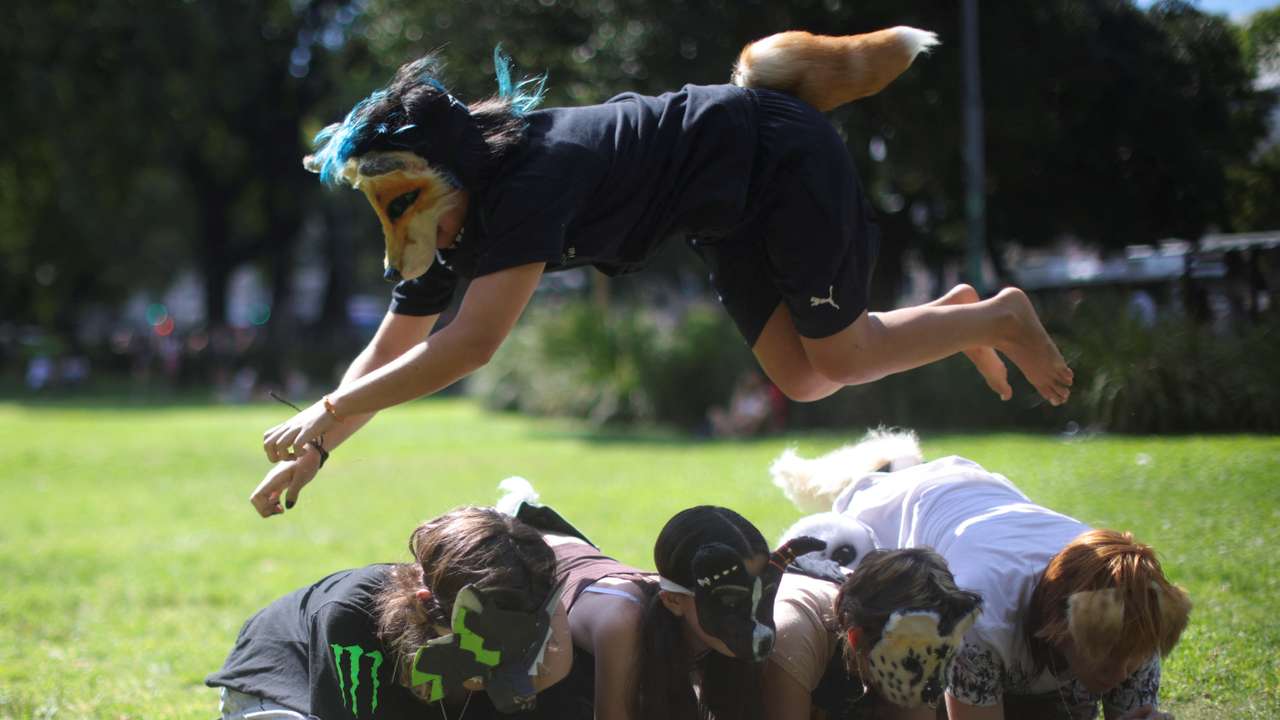
What began as a wave of viral videos on social media has developed into a broader cultural conversation across parts of Latin America.
Young people describing themselves as therians, individuals who feel a deep internal identification with a non-human animal, are attracting attention not only online, but also among families, educators and commentators.
At first glance, the phenomenon appears highly visual: teenagers wearing animal masks, mimicking animal movements or speaking about feeling connected to wolves, cats or other species. However, as the trend has spread, discussion has shifted from the imagery itself to the meaning behind it.
Those who identify as therians generally do not claim physical transformation. Instead, they describe a psychological or symbolic alignment with a particular animal, saying certain instincts, traits or emotional patterns feel central to their sense of self. For many, it is framed as an internal experience rather than a performance.
Public reaction in Latin America has been mixed, ranging from curiosity and support to scepticism and concern. Some see it as a form of adolescent self-expression amplified by social media, while others question whether it reflects a deeper or more lasting shift in how young people define themselves.
RECOMMENDED FOR YOU
Six countries account for three-quarters of Europe’s unicorn startups
Specialists note that adolescence has long been a period of identity exploration. In a digital environment where online communities can grow rapidly across borders, new forms of self-description can gain visibility and legitimacy faster than in previous generations.
As therian identity in Latin America moves beyond viral content into wider cultural debate, the conversation increasingly centres on broader questions about personal identity: how it is formed, how flexible it can be, and how societies respond when emerging expressions of self challenge familiar categories.
This story is written and edited by the Global South World team, you can contact us here.