Togo Roundup: Corruption trial, health tech, food security
Togo prepares new transhumance management plan
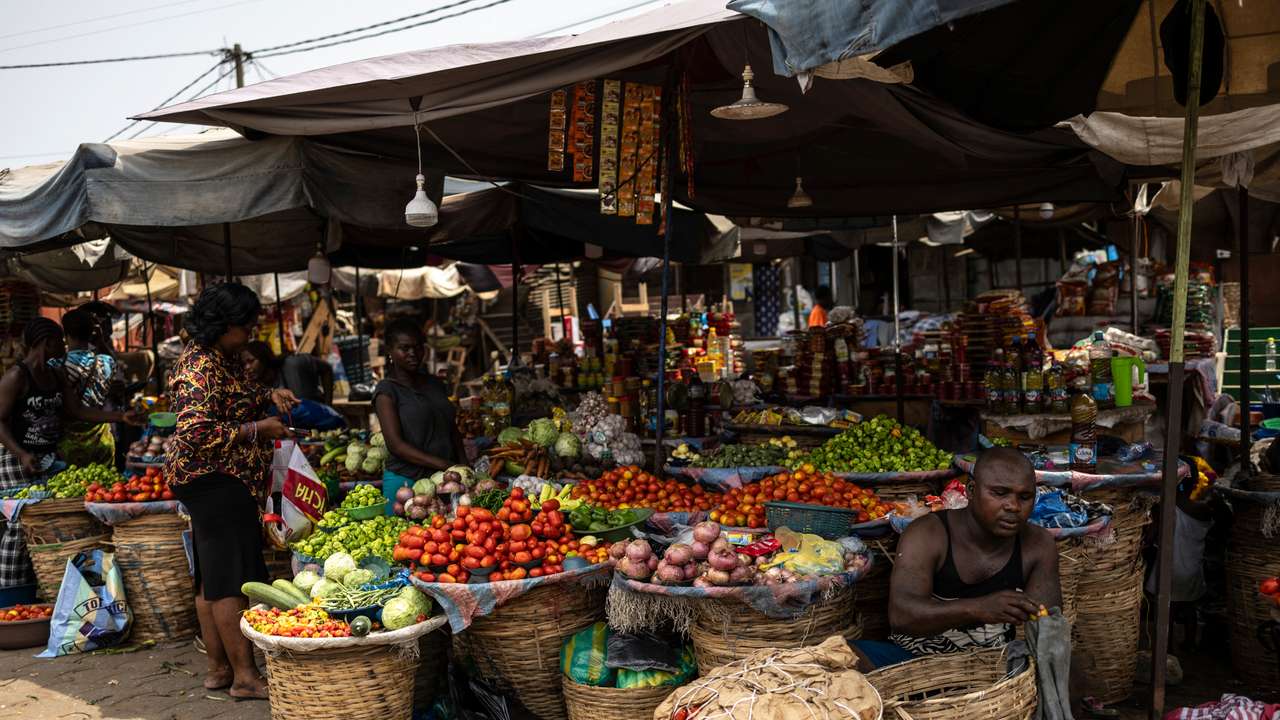
Togo is preparing to adopt a new Transhumance Management Plan (PGT) for 2026–2030, replacing the current framework. The document was presented on March 30 in Lomé during a stakeholder workshop involving representatives from the livestock sector, the National Assembly, the Senate, and relevant ministries. Officials said the plan responds to growing pressures from population increase, Sahel-related conflicts, and climate change, which have intensified tensions between herders and farmers. The plan outlines strategic priorities translated into operational actions and is being refined through stakeholder input to ensure consensus. The government continues to receive support from the United Nations Food and Agriculture Organisation (FAO) in efforts to promote peaceful transhumance management.
French businessman Vincent Bolloré to face trial over Togo corruption case
French businessman Vincent Bolloré is set to stand trial in Paris from December 7 to 17, 2026, over allegations of corruption involving public officials in Togo. The case relates to claims that a subsidiary of his group, through the advertising agency Euro RSCG (now Havas), provided discounted campaign services during President Faure Gnassingbé’s 2010 election in exchange for economic advantages, including port concessions and tax benefits. The case has been under investigation since 2013, with Bolloré indicted in 2018. A proposed settlement in 2021, involving a fine of €375,000, was rejected by the court. The Bolloré group has separately agreed to pay €12 million under a public interest judicial agreement to resolve related charges. The trial will also address similar allegations linked to Guinea.
Togo promotes digital health innovation
Togo is advancing the use of digital technology and artificial intelligence to improve healthcare delivery. Minister of Public Sector Efficiency and Digital Transformation, Cina Lawson, said the government is prioritising digital solutions to expand access, improve efficiency, and address structural gaps in the health system. Through the Togo Data Lab, innovation challenges are being organised to support locally developed solutions. At the March 27 finale of this year’s challenge, SILINA TECH received the Award of Excellence in Tech x Health for its SILINA MRS project, a medical management software designed to function without stable internet access. Winning projects will receive one year of support for testing and integration into the national health system.
BOAD backs shea processing expansion in Togo
The West African Development Bank (BOAD) has approved a 6 billion CFA franc (about $10.6 million) loan for Label d'Or SA to expand its organic shea nut processing operations. The decision was made during the bank’s board meeting held March 25–26 in Dakar, Senegal. The financing will support the modernisation of facilities in Gbatopé, a town located 47 km from the nation's capital, Lomé and increase production capacity, benefiting women involved in the value chain. The plant, inaugurated in February 2023, can process 30 metric tons of nuts daily and produce up to 4,300 metric tons of shea butter annually. The company is supported by USAID and the International Finance Corporation (IFC). However, it must secure up to 10,000 metric tons of shea nuts to reach full capacity, amid competition and certification challenges. Togo produces 20,000 to 25,000 metric tons of shea nuts annually, but exports most in raw form.
RECOMMENDED FOR YOU
Six countries account for three-quarters of Europe’s unicorn startups
Security and climate shocks deepen food insecurity in Togo
Togo continues to face combined security, climate, and economic pressures in 2026. In the northern regions, spillover from the Sahel conflict has led to 49,287 refugees and 10,171 internally displaced persons as of January. According to the World Food Programme (WFP) country brief for March, climate-related challenges, including irregular rainfall, flooding, and land degradation, are affecting agricultural output and food availability in the West African nation. Rising food prices, partly linked to global impacts of the Ukraine crisis, are further limiting access to nutrition. Infrastructure gaps and insecurity in border areas are also restricting access to markets and services. WFP says it is responding through its 2022–2026 Country Strategic Plan, focusing on crisis response, resilience building, and strengthening national systems for food security and emergency preparedness.
This story is written and edited by the Global South World team, you can contact us here.
