Trade war after another: China tightens restrictions on Japanese goods
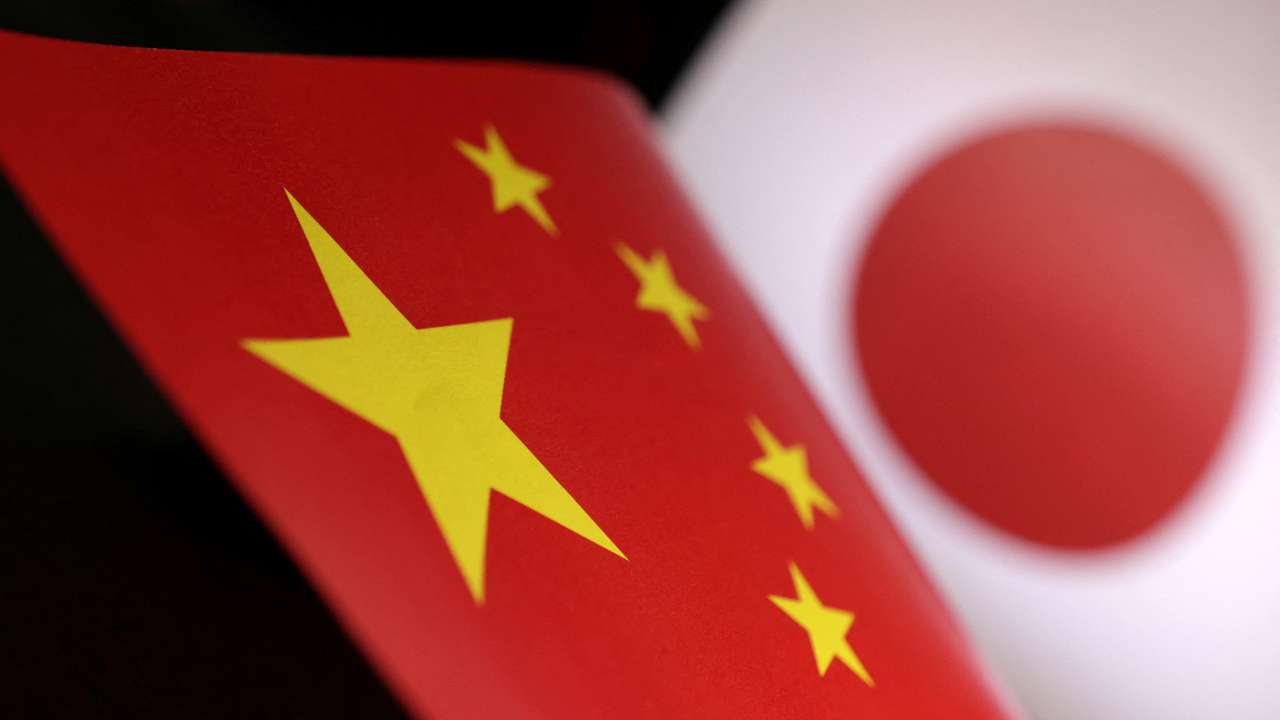
China has expanded export controls on 40 Japanese entities, escalating a months-long dispute with Tokyo and opening another trade front in Asia.
Beijing said Tuesday it would ban exports of “dual-use” items — goods with civilian and military applications — to 20 Japanese organizations and impose stricter reviews on another 20.
Among those named were:
- Mitsubishi Heavy Industries (including five subsidiaries)
- Kawasaki Heavy Industries
- IHI Corporation
- Japan Aerospace Exploration Agency (JAXA)
- National Defense Academy of Japan
- Subaru
The companies span aerospace, shipbuilding, heavy industry and defense-linked manufacturing, which are sectors central to Japan’s military modernization drive.
China’s commerce ministry said the measures are aimed at curbing Japan’s “remilitarisation” and nuclear ambitions and described them as “legitimate, reasonable and lawful.” Tokyo called the move “absolutely unacceptable” and said it had lodged a formal protest.
RECOMMENDED FOR YOU
Six countries account for three-quarters of Europe’s unicorn startups
Why this matters
The export controls are the latest step in a widening economic confrontation triggered by Prime Minister Sanae Takaichi’s remarks in November that Japan could intervene militarily in the event of a Taiwan emergency.
Since then:
- Chinese tourism to Japan has dropped sharply
- Imports of Japanese seafood have reportedly been suspended
- Export approvals have slowed
- Defense-linked firms are now directly targeted
Strategic backdrop
Japan has approved a record ¥9 trillion ($57 billion) defense budget and is moving to acquire “counterstrike” capabilities, marking a significant shift from its post-war pacifist posture. China views those steps as destabilizing.
It remains unclear whether rare earth minerals — critical to advanced manufacturing and defense supply chains — are included in the latest restrictions.
Uncertain global trade
The escalation comes as global trade tensions again rise.
U.S. President Donald Trump has imposed a 15% tariff on all U.S. imports. This, after the Supreme Court struck down his “reciprocal” tariffs, which were found unconstitutional for lacking congressional approval.
This story is written and edited by the Global South World team, you can contact us here.