Trump's board of peace gets first signatures, could the UN be at risk?
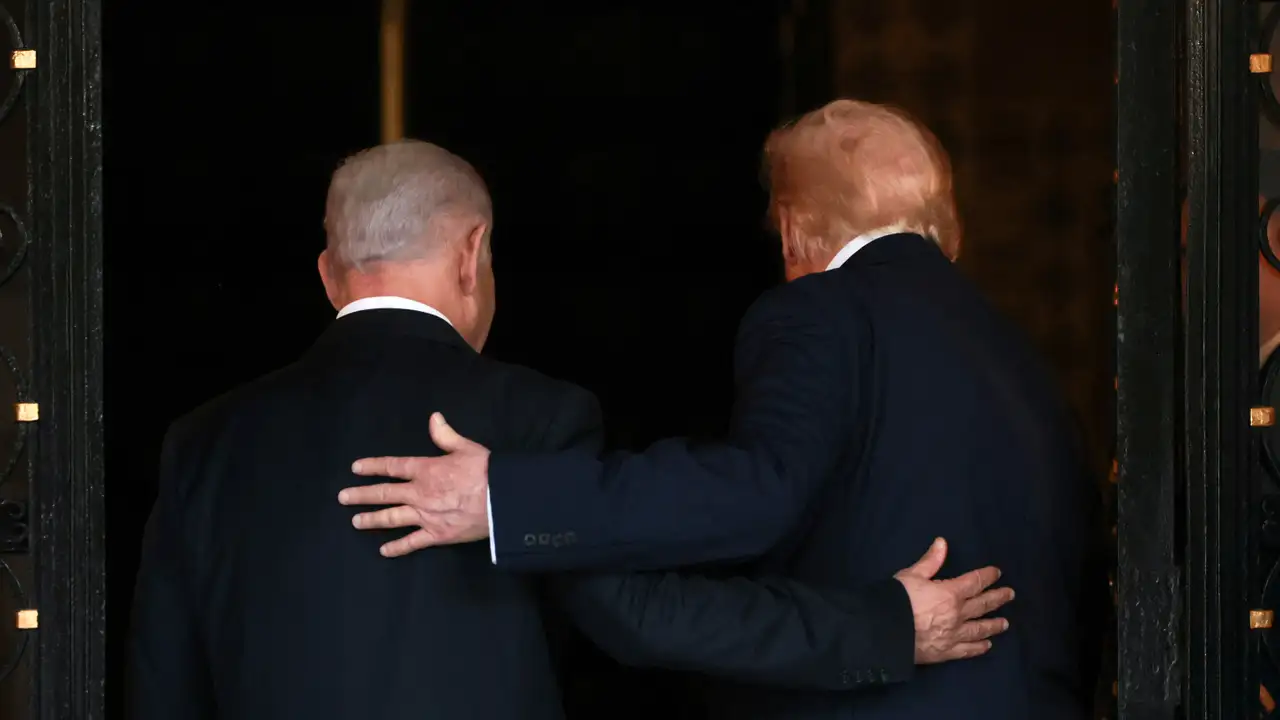
US President Donald Trump’s newly announced “Board of Peace” has begun taking shape, with several countries confirming their participation. This has prompted debate over whether the initiative could challenge the role of the United Nations in global peace and security.
Israeli Prime Minister Benjamin Netanyahu said his government has accepted Trump’s invitation to join the board, which the US president says will be made up of world leaders and tasked with overseeing peace efforts, starting with Gaza.
Kosovo also confirmed its participation on Wednesday. President Vjosa Osmani said she was honoured to be invited as a founding member, describing the move as standing “shoulder to shoulder with the United States in the pursuit of a safer world.”
“America helped bring peace to Kosovo. Today, Kosovo stands firmly as America’s ally, ready to help carry that peace forward,” Osmani wrote on X. Kosovo has been a close US ally since Washington backed its independence from Serbia in 2008.
UN response? The initiative has raised concerns about whether it could undermine the United Nations. La Neice Collins, spokesperson for the President of the UN General Assembly, said there is only one universal multilateral body mandated to deal with peace and security. “There is one universal multilateral organisation to deal with peace and security issues, and that is the United Nations,” she told RTÉ News. Collins added that the UN’s existing peace mechanisms are established through Security Council resolutions and have specific mandates, stressing that the UN remains the body authorised by the international community to handle global peace and security.
RECOMMENDED FOR YOU
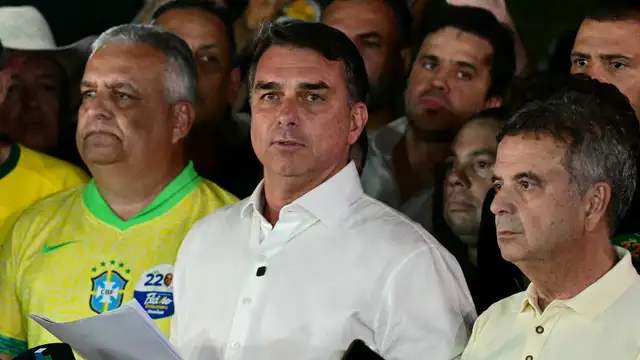
Flávio Bolsonaro rejects Brazil election results, seeks annulment of Lula's victory
What is the Board of Peace?
According to the White House, the Board of Peace will play a central role in implementing Trump’s 20-point plan to end the Gaza conflict. It is meant to provide strategic oversight, mobilise international resources and ensure accountability as Gaza moves from war to reconstruction and development.
The board will be chaired by Trump and supported by a founding Executive Board made up of senior political and business figures, including US Secretary of State Marco Rubio, Trump adviser Steve Witkoff, Jared Kushner, former UK prime minister Tony Blair, investor Marc Rowan, World Bank president Ajay Banga and Robert Gabriel.
Each executive board member will oversee specific areas such as governance, reconstruction, investment, funding and regional relations.
The preamble to the plan says, “durable peace requires pragmatic judgement, common sense solutions, and the courage to depart from approaches and institutions that have too often failed.”
Trump has suggested the board could eventually help broker other global conflicts, prompting comparisons to a parallel version of the UN Security Council.
So far, countries that have agreed to take part include Israel, the United Arab Emirates, Morocco, Vietnam, Kazakhstan, Hungary, Argentina, Belarus and Kosovo. Invitation letters have also been sent to leaders in Paraguay, Canada, Egypt and Turkey, while Russia, India, Slovenia, Thailand and the European Union’s executive arm have confirmed receiving invitations.
This story is written and edited by the Global South World team, you can contact us here.