Two months after coup, Guinea-Bissau transitional leader promotes himself to highest army rank
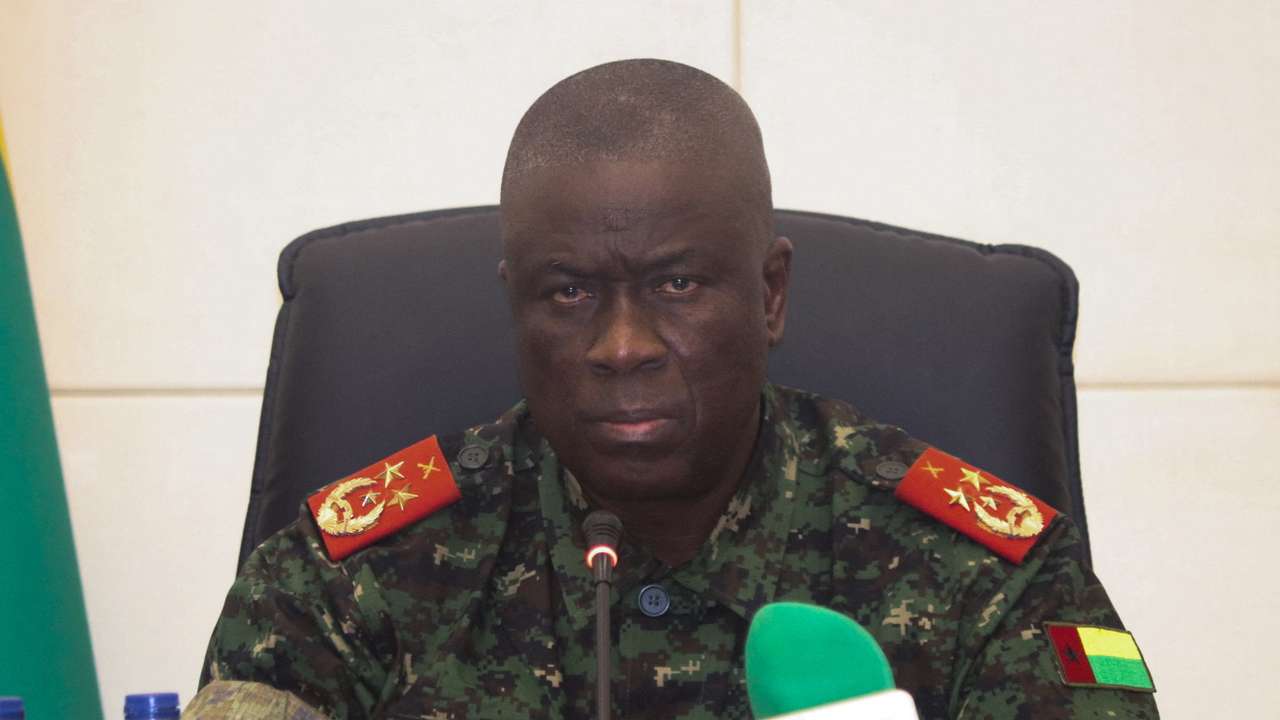
General Horta N’Tam, the transitional leader of Guinea-Bissau, has been promoted to the rank of major general—the highest position within the country’s armed forces.
This was confirmed in a decree published and signed by the transitional leader on Thursday, January 29.
General N’Tam had previously held the rank of brigadier general. With the new designation, he now bears four stars instead of two. His promotion comes two months after the military seized power on November 26, one day before the electoral commission was scheduled to announce the results of the presidential election.
The coup led to the ousting of former president Umaro Sissoco Embalo and the suspension of the electoral process. The military announced that it would govern for one year and named N’Tam, who has been described as a close associate of Embalo, as the transitional president.
Presidential and legislative elections have been scheduled for December 6, 2026, to restore civilian leadership.
RECOMMENDED FOR YOU

Can Indonesia be Asia’s next EV powerhouse?
According to the military, the takeover was intended to prevent violence between supporters of rival candidates. Both Embalo and opposition contender Fernando Dias had declared victory before the release of official results.
Embalo was aiming to become the first incumbent to secure a second term in 30 years in the West African nation.
The electoral commission later stated that it was unable to complete the vote tally after armed men seized ballot materials and destroyed servers containing the results.
The coup was part of a cycle of instability in Guinea-Bissau, which has had multiple coups and attempted uprisings since gaining independence from Portugal in 1974. It was the ninth in West and Central Africa in five years.
This story is written and edited by the Global South World team, you can contact us here.
