UAE building global ‘backup plan’ to protect species from extinction
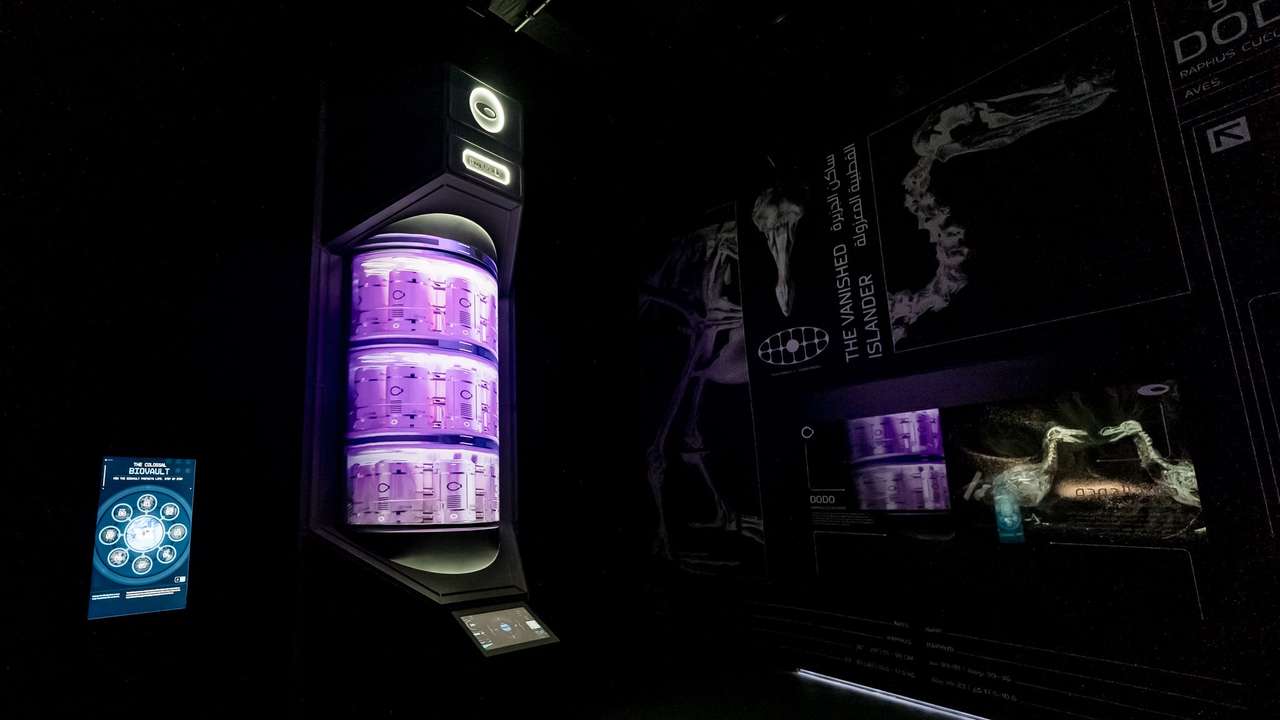
Dubai is set to host a modern-day “Noah’s Ark” for endangered animals, with plans to preserve the DNA of millions of species in a cutting-edge facility.
The Life and Biodiversity Laboratory, announced by Sheikh Hamdan bin Mohammed bin Rashid Al Maktoum, Crown Prince of Dubai, will be located at the Museum of the Future and is being developed in partnership with US-based Colossal Biosciences.
Sheikh Hamdan unveiled the initiative on social media during the World Governments Summit 2026, describing it as a permanent hub to showcase scientific innovation and support global efforts to protect species from extinction.
“Our goal is to inspire understanding and awareness, paving the way for a brighter future,” he said.
Visitors will be able to experience immersive recreations of extinct animals, including woolly mammoths, Tasmanian tigers, and dodos, using advanced technology.
RECOMMENDED FOR YOU

Venezuela opposition demands elections as Machado’s return remains uncertain
A central feature will be the World Preservation Lab and BioVault, which Colossal Biosciences calls “Bringing the Past to the Future.” The BioVault will store genetic material to enable both preservation and potential de-extinction.
Colossal Biosciences has used CRISPR gene-editing technology to develop prototypes of extinct species, including the woolly mammoth and thylacine, and plans to expand these efforts in Dubai.
Forbes reported that the UAE has made a major investment in the project, with Colossal Biosciences describing the BioVault as the first in a global network. CEO Ben Lamm likened it to a modern-day Noah’s Ark.
The Dubai facility will initially preserve DNA from 100 critically endangered species. Over time, it aims to store millions of samples from more than 10,000 species, prioritizing those not already preserved elsewhere.
Lamm called the project a “backup plan for life on Earth,” emphasizing the urgent need for global collaboration in the face of accelerating species loss.
The initiative has drawn backing from high-profile supporters, including Tom Brady, Tiger Woods, Paris Hilton, Peter Jackson, and the Hemsworth brothers.
Majed Al Mansoori, executive director of the Museum of the Future, highlighted the project’s focus on fieldwork and DNA research in its first year. He said the lab will lay the groundwork for long-term biodiversity protection.
“The future belongs to those who harness technology to address our greatest challenges,” Al Mansoori said. “We are taking a bold step to advance science that safeguards our planet, restores ecosystems, and builds a sustainable legacy for future generations.”
RECOMMENDED FOR YOU

The Brazilian lawmaker behind Lula’s digital army is taking his political influence beyond Brazil
This story is written and edited by the Global South World team, you can contact us here.